
 EN
EN
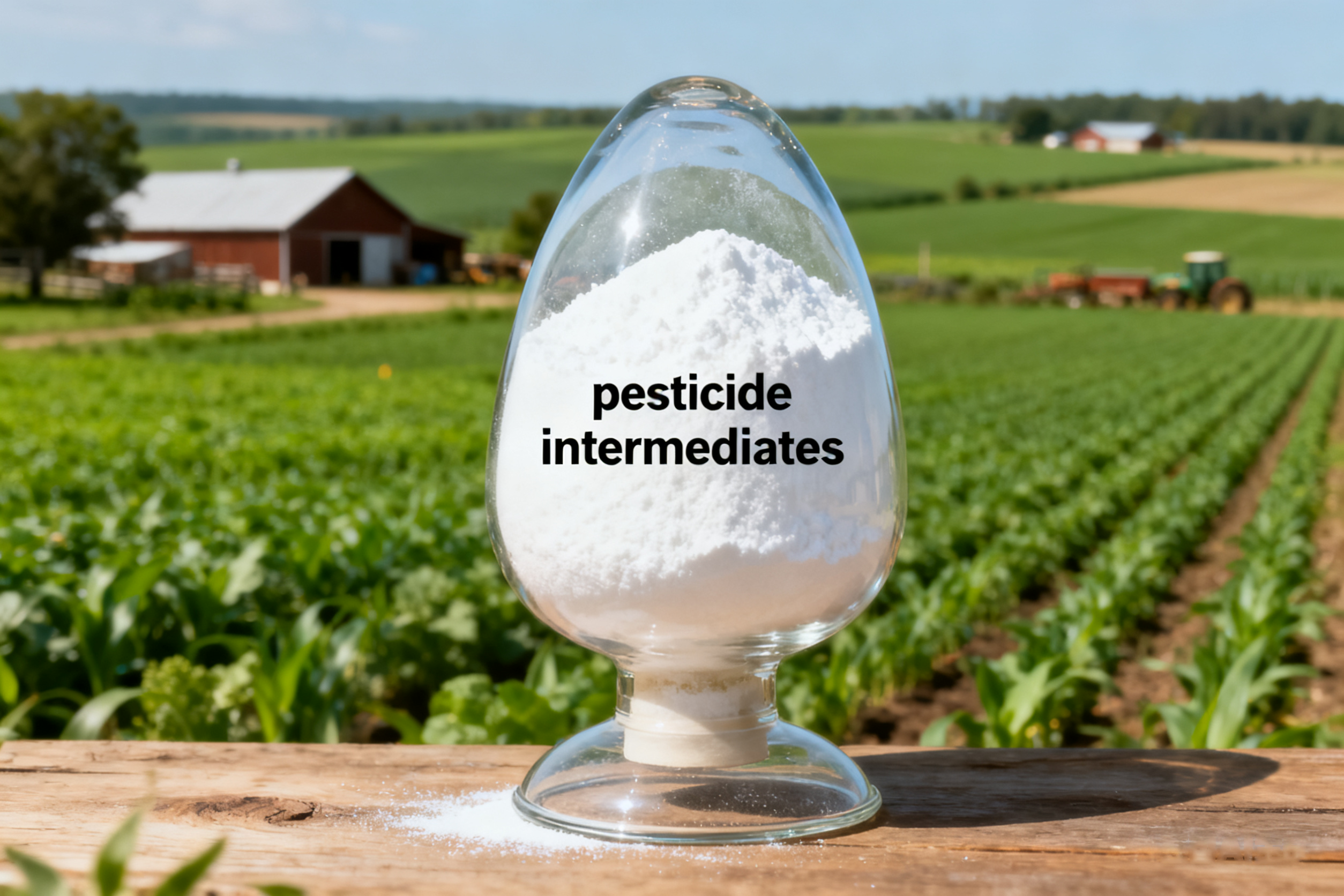
Modern agrochemical manufacturing faces increasing pressure to deliver high-quality crop protection products while maintaining cost-effectiveness and environmental compliance. The strategic use of pesticide intermediates has emerged as a cornerstone solution for manufacturers seeking to optimize their production processes and enhance overall operational efficiency. These specialized chemical compounds serve as essential building blocks in the synthesis of active pharmaceutical ingredients, enabling manufacturers to achieve greater precision, reduce waste, and accelerate time-to-market for critical agricultural solutions.
Understanding the Role of Chemical Intermediates in Agricultural Production
Definition and Classification of Agricultural Chemical Intermediates
Chemical intermediates represent specialized compounds that undergo further chemical transformation to produce final active ingredients used in crop protection formulations. These molecules typically contain specific functional groups or structural motifs that make them ideal precursors for synthesizing complex pesticide molecules. The classification system for these intermediates often depends on their chemical structure, reactivity profile, and intended application in the final product synthesis pathway.
Manufacturing facilities utilize various categories of intermediates, including aromatic compounds, heterocyclic structures, and aliphatic chains with specific substituents. Each category offers distinct advantages in terms of synthetic accessibility, cost-effectiveness, and compatibility with existing production infrastructure. Understanding these classifications enables manufacturers to select the most appropriate intermediates for their specific production requirements and quality objectives.
Strategic Importance in Supply Chain Management
The integration of specialized intermediates into agrochemical supply chains provides manufacturers with enhanced flexibility and risk mitigation capabilities. By establishing reliable sources of high-quality intermediates, companies can reduce their dependence on single-source suppliers and create more resilient production networks. This approach particularly benefits organizations operating in markets with volatile raw material costs or regulatory uncertainties.
Supply chain optimization through intermediate utilization also enables manufacturers to implement just-in-time inventory strategies, reducing storage costs and minimizing the risk of material degradation. Advanced planning systems can leverage intermediate availability to optimize production scheduling and maximize equipment utilization rates across multiple product lines.
Manufacturing Process Optimization Through Strategic Intermediate Selection
Synthesis Pathway Enhancement
Selecting appropriate pesticide intermediates significantly impacts the efficiency and economics of synthetic pathways used in agrochemical production. Advanced intermediates can reduce the number of synthetic steps required to reach target molecules, thereby decreasing overall production time and minimizing the accumulation of impurities. This streamlined approach often results in higher yields and improved product quality profiles.
Modern synthetic strategies increasingly focus on convergent synthesis approaches, where multiple intermediate fragments are assembled in parallel before final coupling reactions. This methodology reduces the impact of individual step inefficiencies on overall yield and enables manufacturers to optimize each synthetic segment independently. The result is more predictable production outcomes and enhanced process robustness.
Quality Control and Analytical Advantages
High-purity intermediates provide manufacturers with improved control over impurity profiles in final products, reducing the complexity of downstream purification processes. When intermediates meet stringent quality specifications, manufacturers can implement simplified analytical protocols and reduce the frequency of extensive quality testing procedures. This approach streamlines production workflows and accelerates batch release timelines.
Advanced intermediate characterization techniques, including nuclear magnetic resonance spectroscopy and high-performance liquid chromatography, enable manufacturers to establish comprehensive quality profiles for incoming materials. These analytical capabilities support predictive quality modeling and enable proactive adjustments to production parameters based on intermediate quality variations.
Economic Benefits and Cost Optimization Strategies
Raw Material Cost Management
Strategic sourcing of pesticide intermediates enables manufacturers to achieve significant cost savings compared to in-house synthesis of these specialized compounds. External suppliers often benefit from economies of scale and specialized equipment that individual manufacturers may find difficult to justify economically. This outsourcing approach allows companies to focus their resources on core competencies while accessing high-quality intermediates at competitive prices.
Long-term supply agreements for critical intermediates provide price stability and enable more accurate financial planning for product development projects. These arrangements often include volume-based pricing structures that reward consistent demand patterns and enable suppliers to invest in process improvements and capacity expansion initiatives.
Production Efficiency Metrics
Implementation of advanced intermediates typically results in measurable improvements in key production metrics, including overall equipment effectiveness, batch cycle times, and yield consistency. Manufacturers can track these performance indicators to quantify the value delivered by intermediate optimization initiatives and identify opportunities for further enhancement.
Energy consumption analysis reveals that optimized synthetic pathways using high-quality intermediates often require less heating, cooling, and mixing energy compared to traditional approaches. These efficiency gains contribute to reduced carbon footprints and improved sustainability profiles for agrochemical production operations.
Regulatory Compliance and Quality Assurance
Meeting International Standards
The use of certified pesticide intermediates helps manufacturers maintain compliance with evolving international regulations governing agrochemical production and distribution. Regulatory agencies increasingly focus on manufacturing process validation and impurity control, making the selection of appropriate intermediates critical for obtaining and maintaining product registrations in key markets.
Documentation requirements for intermediate sourcing include comprehensive supplier qualification procedures, certificate of analysis validation, and change control protocols. These systems ensure traceability throughout the supply chain and provide regulatory agencies with confidence in manufacturing process consistency and product quality reliability.
Environmental Impact Considerations
Modern intermediate selection strategies incorporate environmental impact assessments that evaluate factors such as solvent usage, waste generation, and energy consumption. Green chemistry principles guide the development of more sustainable synthetic pathways that minimize environmental footprints while maintaining economic viability.
Life cycle analysis of intermediate production and utilization helps manufacturers identify opportunities to reduce environmental impact across the entire value chain. This holistic approach supports corporate sustainability objectives and responds to increasing stakeholder expectations for responsible manufacturing practices.
Technology Integration and Digital Transformation
Process Analytics and Monitoring
Advanced process analytical technology enables real-time monitoring of intermediate quality parameters during production, allowing for immediate adjustments to maintain optimal process conditions. These systems integrate with manufacturing execution systems to provide comprehensive visibility into production performance and quality trends.
Machine learning algorithms analyze historical data from intermediate utilization to identify patterns and predict optimal operating conditions for future production campaigns. This predictive capability reduces process variability and enhances overall manufacturing reliability.
Supply Chain Digitalization
Digital platforms facilitate seamless communication between agrochemical manufacturers and intermediate suppliers, enabling real-time visibility into inventory levels, delivery schedules, and quality certifications. These systems support collaborative planning initiatives and reduce the risk of supply disruptions.
Blockchain technology implementation provides immutable records of intermediate provenance and quality testing results, enhancing traceability and supporting regulatory compliance requirements. This transparency builds trust among supply chain partners and enables more efficient dispute resolution processes.
Future Trends and Innovation Opportunities
Emerging Chemical Technologies
Advances in synthetic chemistry continue to expand the range of available pesticide intermediates, with particular focus on compounds that enable more selective and environmentally friendly active ingredients. Flow chemistry and continuous manufacturing approaches offer new possibilities for intermediate production and utilization in integrated manufacturing systems.
Biotechnology applications in intermediate synthesis provide access to chiral compounds and complex molecular structures that are difficult to produce through traditional chemical methods. These biocatalytic approaches often operate under milder conditions and generate fewer waste byproducts compared to conventional synthetic routes.
Market Evolution and Competitive Dynamics
The global market for specialized intermediates continues to evolve in response to changing agricultural practices, regulatory requirements, and technological capabilities. Manufacturers who proactively adapt their intermediate sourcing strategies position themselves to capitalize on emerging market opportunities and maintain competitive advantages.
Strategic partnerships between agrochemical companies and specialized intermediate suppliers foster innovation and accelerate the development of next-generation crop protection solutions. These collaborative relationships enable shared investment in research and development initiatives and risk mitigation for novel technology adoption.
FAQ
What are the key quality parameters to consider when selecting pesticide intermediates
The most critical quality parameters include chemical purity levels, typically requiring greater than 95% purity for most applications, moisture content specifications to prevent hydrolysis reactions, and impurity profiles that must be compatible with downstream synthetic processes. Additionally, particle size distribution affects dissolution rates and mixing efficiency, while thermal stability ensures safe handling and storage. Suppliers should provide comprehensive certificates of analysis documenting all relevant quality parameters and their testing methodologies.
How do pesticide intermediates impact overall production costs in agrochemical manufacturing
High-quality intermediates typically reduce overall production costs through improved yields, reduced processing time, and lower waste generation. While premium intermediates may have higher upfront costs, they often deliver net savings through enhanced process efficiency and reduced quality control requirements. The cost impact varies depending on the complexity of the synthetic pathway, with more complex molecules showing greater potential for cost optimization through strategic intermediate selection.
What regulatory documentation is required for pesticide intermediate suppliers
Suppliers must maintain current good manufacturing practice certifications, provide detailed manufacturing process descriptions, and submit regular audit reports from qualified third-party organizations. Environmental compliance documentation includes waste disposal certifications and emission monitoring reports. Change control procedures require advance notification of any process modifications, and suppliers must maintain comprehensive batch records for traceability purposes. International suppliers may need additional certifications depending on destination market requirements.
How can manufacturers evaluate the environmental impact of different intermediate options
Environmental impact assessment should include evaluation of raw material sourcing sustainability, energy consumption during intermediate production, waste stream characteristics, and transportation carbon footprint. Life cycle analysis tools help quantify environmental impacts across the entire value chain, while green chemistry metrics such as atom economy and E-factor provide standardized comparison frameworks. Manufacturers should also consider end-of-life disposal requirements and potential for recycling or biodegradation of intermediate-derived products.
Table of Contents
- Understanding the Role of Chemical Intermediates in Agricultural Production
- Manufacturing Process Optimization Through Strategic Intermediate Selection
- Economic Benefits and Cost Optimization Strategies
- Regulatory Compliance and Quality Assurance
- Technology Integration and Digital Transformation
- Future Trends and Innovation Opportunities
-
FAQ
- What are the key quality parameters to consider when selecting pesticide intermediates
- How do pesticide intermediates impact overall production costs in agrochemical manufacturing
- What regulatory documentation is required for pesticide intermediate suppliers
- How can manufacturers evaluate the environmental impact of different intermediate options