
 EN
EN
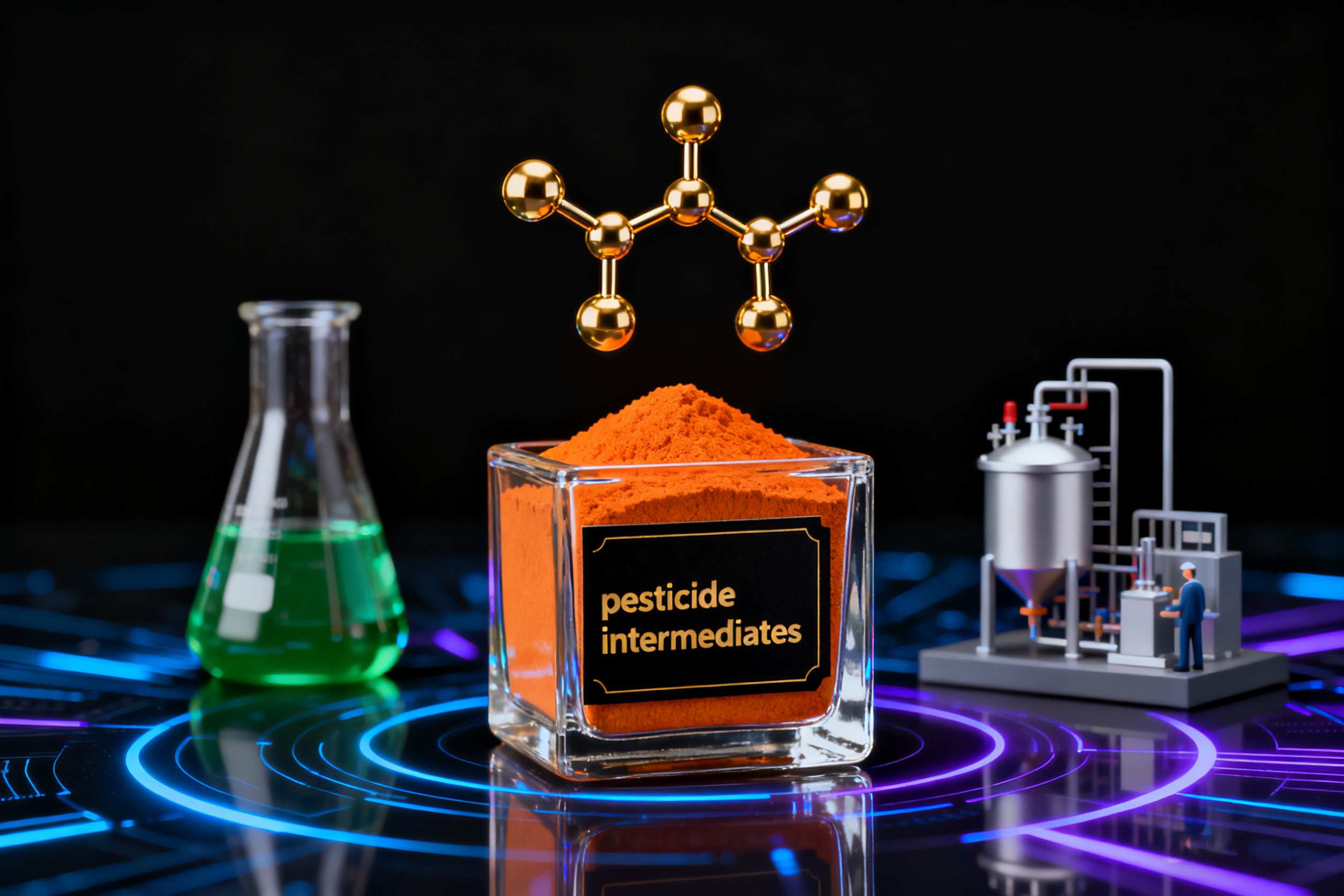
The global agrochemical industry relies heavily on sophisticated chemical manufacturing processes to produce the crop protection solutions that feed billions of people worldwide. At the heart of this complex production chain lies a critical component that often goes unnoticed by end users: pesticide intermediates. These specialized chemical compounds serve as essential building blocks in the synthesis of active ingredients used in herbicides, insecticides, fungicides, and other crop protection products that enable large-scale agricultural operations.
Industrial agrochemical production operates on an unprecedented scale, with major manufacturers processing thousands of tons of raw materials annually to meet global demand for crop protection products. The efficiency and cost-effectiveness of these operations depend significantly on the quality and availability of chemical intermediates that undergo multiple transformation steps before becoming the final active ingredients applied to crops. Understanding how these intermediates function within the broader manufacturing ecosystem reveals the intricate balance between chemistry, engineering, and economics that drives modern agricultural productivity.
The strategic importance of these chemical building blocks extends beyond simple manufacturing convenience, influencing everything from production costs and supply chain resilience to regulatory compliance and environmental impact. As global food security challenges intensify and regulatory frameworks become more stringent, the role of high-quality intermediates in enabling sustainable and efficient agrochemical production continues to grow in significance for industry stakeholders worldwide.
Chemical Foundation of Agrochemical Manufacturing
Molecular Building Blocks in Pesticide Synthesis
The synthesis of modern pesticides begins with carefully selected chemical intermediates that provide the molecular framework for active ingredients. These compounds typically contain specific functional groups, ring structures, or reactive sites that can be modified through controlled chemical reactions to create the desired biological activity. For example, triazole intermediates serve as precursors for numerous fungicides by providing the characteristic nitrogen-containing ring system that interferes with fungal enzyme systems.
Manufacturing facilities utilize these intermediates in multi-step synthetic pathways that may involve dozens of individual chemical transformations. Each step must be precisely controlled to ensure proper yield, purity, and stereochemistry of the final product. The selection of appropriate intermediates directly impacts the overall efficiency of these synthetic routes, with high-quality starting materials enabling cleaner reactions, higher yields, and reduced waste generation throughout the production process.
Advanced analytical techniques monitor the quality and consistency of intermediates as they progress through various manufacturing stages. Spectroscopic methods, chromatographic analysis, and physical property testing ensure that each batch meets stringent specifications before proceeding to subsequent reaction steps. This quality control framework prevents costly production delays and ensures that final products meet regulatory requirements for purity and efficacy.
Integration with Industrial Process Chemistry
Large-scale agrochemical production facilities integrate intermediate chemistry with sophisticated process engineering systems designed to optimize reaction conditions, minimize energy consumption, and maximize throughput. Continuous flow reactors, automated dosing systems, and real-time monitoring equipment work together to maintain precise control over temperature, pressure, pH, and residence time during intermediate processing stages.
The chemical properties of specific intermediates often dictate the design and operation of manufacturing equipment. Highly reactive compounds may require specialized handling systems with inert atmospheres, while thermally sensitive materials necessitate carefully controlled heating and cooling protocols. Process engineers must consider these factors when designing production lines that can safely and efficiently convert pesticide intermediates into finished active ingredients at industrial scale.
Solvent selection, catalyst optimization, and reaction kinetics all play crucial roles in determining the commercial viability of intermediate-based synthetic routes. Manufacturing teams continuously optimize these parameters to reduce production costs while maintaining product quality and environmental compliance. The ability to scale laboratory procedures to multi-ton production volumes requires deep understanding of how intermediate behavior changes under industrial operating conditions.
Economic Impact on Production Efficiency
Cost Structure Optimization Through Strategic Sourcing
The economics of large-scale agrochemical production heavily depend on the cost and availability of quality chemical intermediates. These compounds typically represent 40-60% of total raw material costs in pesticide manufacturing, making their procurement and utilization a critical factor in maintaining competitive pricing for end products. Strategic sourcing relationships with reliable intermediate suppliers enable manufacturers to secure favorable pricing while ensuring consistent supply chain performance.
Volume purchasing agreements and long-term contracts provide stability for both intermediate suppliers and agrochemical producers, allowing for better production planning and inventory management. Large manufacturers often work closely with intermediate suppliers to develop custom specifications that optimize downstream processing efficiency, potentially reducing overall production costs despite higher individual intermediate prices.
The geographic distribution of intermediate manufacturing capabilities influences global supply chain strategies and production location decisions. Access to cost-effective, high-quality intermediates often determines where major agrochemical companies establish new manufacturing facilities or expand existing operations, creating regional clusters of chemical production activity that benefit from shared infrastructure and expertise.
Manufacturing Efficiency and Throughput Enhancement
High-quality intermediates enable manufacturers to achieve higher conversion rates and reduced cycle times in their production processes. When intermediates meet precise specifications for purity, particle size, and chemical composition, downstream reactions proceed more predictably with fewer side reactions and processing complications. This consistency translates directly into improved manufacturing throughput and reduced production costs per unit of final product.
Advanced intermediate grades with enhanced stability or reactivity can enable simplified synthetic routes that eliminate processing steps or reduce the need for exotic reaction conditions. For instance, pre-activated intermediates may allow room-temperature reactions instead of high-temperature processes, resulting in significant energy savings and reduced equipment wear over large production volumes.
Quality control systems that monitor intermediate performance in real-time enable rapid optimization of production parameters, minimizing waste and maximizing yield consistency. Statistical process control methodologies help identify optimal operating windows for different intermediate batches, allowing production teams to adjust conditions proactively rather than reactively correcting problems after they occur.
Supply Chain Integration and Logistics
Global Sourcing Networks and Risk Management
Modern agrochemical production relies on sophisticated global supply networks that source pesticide intermediates from specialized manufacturers around the world. These networks must balance cost considerations with supply security, quality assurance, and regulatory compliance requirements that vary significantly across different geographic regions. Leading agrochemical companies typically maintain relationships with multiple intermediate suppliers to mitigate risks associated with production disruptions, quality issues, or geopolitical factors.
Supply chain resilience has become increasingly important as global markets face unprecedented disruptions from natural disasters, trade disputes, and pandemic-related impacts. Diversified sourcing strategies for critical intermediates help ensure production continuity even when individual suppliers experience operational challenges. Advanced supply chain management systems provide real-time visibility into intermediate inventory levels, shipment status, and potential supply constraints across multiple facilities and suppliers.
Risk assessment protocols evaluate potential vulnerabilities in intermediate supply chains, considering factors such as supplier financial stability, manufacturing capacity, regulatory compliance history, and geographic concentration of production. These assessments inform strategic decisions about supplier relationships, inventory levels, and alternative sourcing options that maintain operational flexibility while controlling costs.
Inventory Management and Just-in-Time Delivery
Effective inventory management for chemical intermediates requires careful balancing of storage costs, capital requirements, and production scheduling flexibility. Many intermediates have limited shelf life or require specialized storage conditions that increase carrying costs, making efficient turnover essential for maintaining profitability. Advanced inventory management systems integrate demand forecasting, production planning, and supplier performance data to optimize ordering patterns and minimize working capital requirements.
Just-in-time delivery systems enable manufacturers to reduce intermediate inventory levels while maintaining production flexibility, but require extremely reliable supplier performance and logistics coordination. These systems often incorporate buffer stock strategies for critical intermediates and backup supply arrangements to prevent production disruptions from unexpected demand spikes or delivery delays.
Transportation and logistics considerations play crucial roles in intermediate supply chain design, particularly for hazardous materials that require specialized handling, documentation, and routing. Coordination between suppliers, logistics providers, and receiving facilities ensures compliance with safety regulations while minimizing transportation costs and delivery times that impact production scheduling efficiency.
Quality Control and Regulatory Compliance
Analytical Testing and Specification Management
Quality control for pesticide intermediates involves comprehensive analytical testing programs that verify chemical composition, purity levels, physical properties, and absence of harmful impurities. These testing protocols must comply with both internal quality standards and external regulatory requirements that govern the safety and efficacy of final agrochemical products. Advanced analytical laboratories utilize sophisticated instrumentation including mass spectrometry, nuclear magnetic resonance, and high-performance liquid chromatography to characterize intermediate properties with exceptional precision.
Specification development for intermediate materials requires close collaboration between research and development teams, regulatory affairs specialists, and manufacturing personnel to ensure that quality requirements support both product performance and regulatory compliance. These specifications often include limits on trace impurities, residual solvents, heavy metals, and other contaminants that could impact downstream processing or final product safety.
Certificate of analysis documentation provides complete traceability for intermediate batches throughout the manufacturing process, enabling rapid investigation of any quality issues that may arise in finished products. Electronic data management systems maintain comprehensive records of analytical results, batch genealogy, and supplier performance metrics that support continuous improvement initiatives and regulatory auditing requirements.
Regulatory Framework Adaptation and Compliance
The regulatory landscape for pesticide intermediates continues to evolve as authorities worldwide implement more stringent requirements for chemical safety, environmental protection, and worker health. Manufacturers must stay current with changing regulations across multiple jurisdictions while ensuring that their intermediate sourcing and utilization practices maintain compliance with applicable standards. Regulatory intelligence systems monitor proposed rule changes and provide early warning of potential impacts on intermediate specifications or handling requirements.
Registration and notification requirements for chemical intermediates vary significantly between regions, with some jurisdictions treating them as separate chemical entities while others regulate them as components of final pesticide products. Understanding these regulatory distinctions is essential for developing compliant supply chain strategies and avoiding potential market access restrictions that could disrupt production operations.
Documentation and record-keeping requirements for intermediate handling and processing create substantial administrative burdens that must be integrated into manufacturing operations. Automated data collection and reporting systems help streamline compliance activities while ensuring accuracy and completeness of required documentation for regulatory submissions and facility inspections.
Technological Innovation and Future Developments
Advanced Synthetic Methodologies and Green Chemistry
The development of more efficient and environmentally sustainable synthetic routes for pesticide intermediates represents a major focus area for agrochemical innovation. Green chemistry principles guide the design of new intermediate synthetic pathways that minimize hazardous reagent use, reduce energy consumption, and eliminate toxic by-products. Catalytic processes, biocatalytic transformations, and continuous flow chemistry technologies enable cleaner and more efficient conversion of raw materials into high-quality intermediates.
Advanced reaction technologies such as microwave-assisted synthesis, supercritical fluid processing, and electrochemical methods offer new possibilities for intermediate production that overcome limitations of traditional synthetic approaches. These technologies often enable milder reaction conditions, improved selectivity, and enhanced scalability that translate into significant economic and environmental benefits for large-scale manufacturing operations.
Computational chemistry and artificial intelligence tools accelerate the discovery and optimization of new intermediate synthetic routes by predicting reaction outcomes, identifying potential side reactions, and optimizing process conditions before experimental validation. These tools reduce development time and costs while increasing the likelihood of successful scale-up to commercial production volumes.
Digital Integration and Process Automation
Digital transformation initiatives in agrochemical manufacturing increasingly focus on leveraging data analytics, machine learning, and process automation to optimize intermediate utilization and manufacturing efficiency. Real-time process monitoring systems collect vast amounts of data on intermediate behavior during production, enabling sophisticated analysis of process performance and identification of optimization opportunities that were previously invisible to operators.
Predictive maintenance systems use intermediate consumption patterns and equipment performance data to anticipate potential production issues before they occur, minimizing unplanned downtime and maintaining consistent product quality. These systems integrate information from multiple sources including intermediate suppliers, manufacturing equipment, and quality control laboratories to provide comprehensive insights into production system health.
Automated process control systems can adjust reaction conditions in real-time based on intermediate feed characteristics and target product specifications, optimizing conversion efficiency and minimizing waste generation. Advanced control algorithms learn from historical production data to improve performance over time, continuously enhancing manufacturing efficiency and reducing operational costs.
Environmental Sustainability and Waste Reduction
Lifecycle Assessment and Environmental Impact
Comprehensive lifecycle assessment methodologies evaluate the environmental impact of pesticide intermediates from raw material extraction through final product disposal, identifying opportunities for improvement throughout the value chain. These assessments consider energy consumption, greenhouse gas emissions, water usage, and waste generation associated with intermediate production and utilization, providing quantitative data to guide sustainability initiatives and regulatory compliance efforts.
Carbon footprint reduction strategies for intermediate-based manufacturing focus on optimizing energy efficiency, utilizing renewable energy sources, and selecting intermediates with lower embedded carbon content. Supply chain partnerships with intermediate suppliers who prioritize environmental sustainability can significantly reduce the overall carbon intensity of agrochemical production while maintaining product quality and cost competitiveness.
Water conservation and treatment programs address the substantial water requirements for intermediate processing and purification operations. Advanced water recycling systems, closed-loop cooling circuits, and innovative separation technologies minimize fresh water consumption while ensuring that discharged water meets stringent environmental quality standards.
Circular Economy Integration and Resource Recovery
Circular economy principles increasingly influence how manufacturers approach intermediate utilization and waste management, seeking opportunities to recover and reuse materials that would otherwise become waste streams. Solvent recovery systems, catalyst recycling programs, and by-product valorization initiatives can significantly reduce the environmental footprint of intermediate-based manufacturing while generating additional revenue streams.
Industrial symbiosis arrangements enable agrochemical manufacturers to utilize waste streams from intermediate suppliers as feedstocks for their own processes, creating mutually beneficial relationships that reduce waste disposal costs and raw material requirements. These arrangements often require close coordination between companies and may involve shared infrastructure or logistics systems that optimize resource utilization across multiple facilities.
Biodegradable intermediate design represents an emerging area of innovation that could revolutionize environmental sustainability in agrochemical production. Research into intermediates that break down safely in the environment after serving their synthetic function could eliminate concerns about persistent chemical contamination while maintaining manufacturing efficiency and product efficacy.
FAQ
What are the main advantages of using specialized pesticide intermediates in large-scale production?
Specialized pesticide intermediates offer several key advantages including improved reaction efficiency, higher product yields, reduced processing steps, and enhanced final product purity. They enable manufacturers to achieve consistent quality at industrial scale while minimizing production costs and environmental impact through optimized synthetic pathways.
How do quality specifications for pesticide intermediates impact manufacturing costs?
Higher quality specifications for intermediates typically increase upfront material costs but often result in lower overall manufacturing costs through improved processing efficiency, reduced waste generation, and fewer quality control issues. The optimal balance depends on specific production requirements and the sensitivity of downstream processes to intermediate quality variations.
What role do pesticide intermediates play in regulatory compliance for agrochemical products?
Pesticide intermediates must meet stringent purity and safety specifications to ensure that final agrochemical products comply with regulatory requirements for efficacy, safety, and environmental protection. Complete documentation and traceability of intermediate sources and quality attributes are essential for regulatory submissions and facility inspections.
How do supply chain disruptions affect pesticide intermediate availability and pricing?
Supply chain disruptions can significantly impact intermediate availability and cause price volatility, particularly for specialized compounds with limited supplier networks. Manufacturers typically maintain strategic inventory reserves and diversified supplier relationships to mitigate these risks while ensuring production continuity and cost stability.
Table of Contents
- Chemical Foundation of Agrochemical Manufacturing
- Economic Impact on Production Efficiency
- Supply Chain Integration and Logistics
- Quality Control and Regulatory Compliance
- Technological Innovation and Future Developments
- Environmental Sustainability and Waste Reduction
-
FAQ
- What are the main advantages of using specialized pesticide intermediates in large-scale production?
- How do quality specifications for pesticide intermediates impact manufacturing costs?
- What role do pesticide intermediates play in regulatory compliance for agrochemical products?
- How do supply chain disruptions affect pesticide intermediate availability and pricing?