
 EN
EN
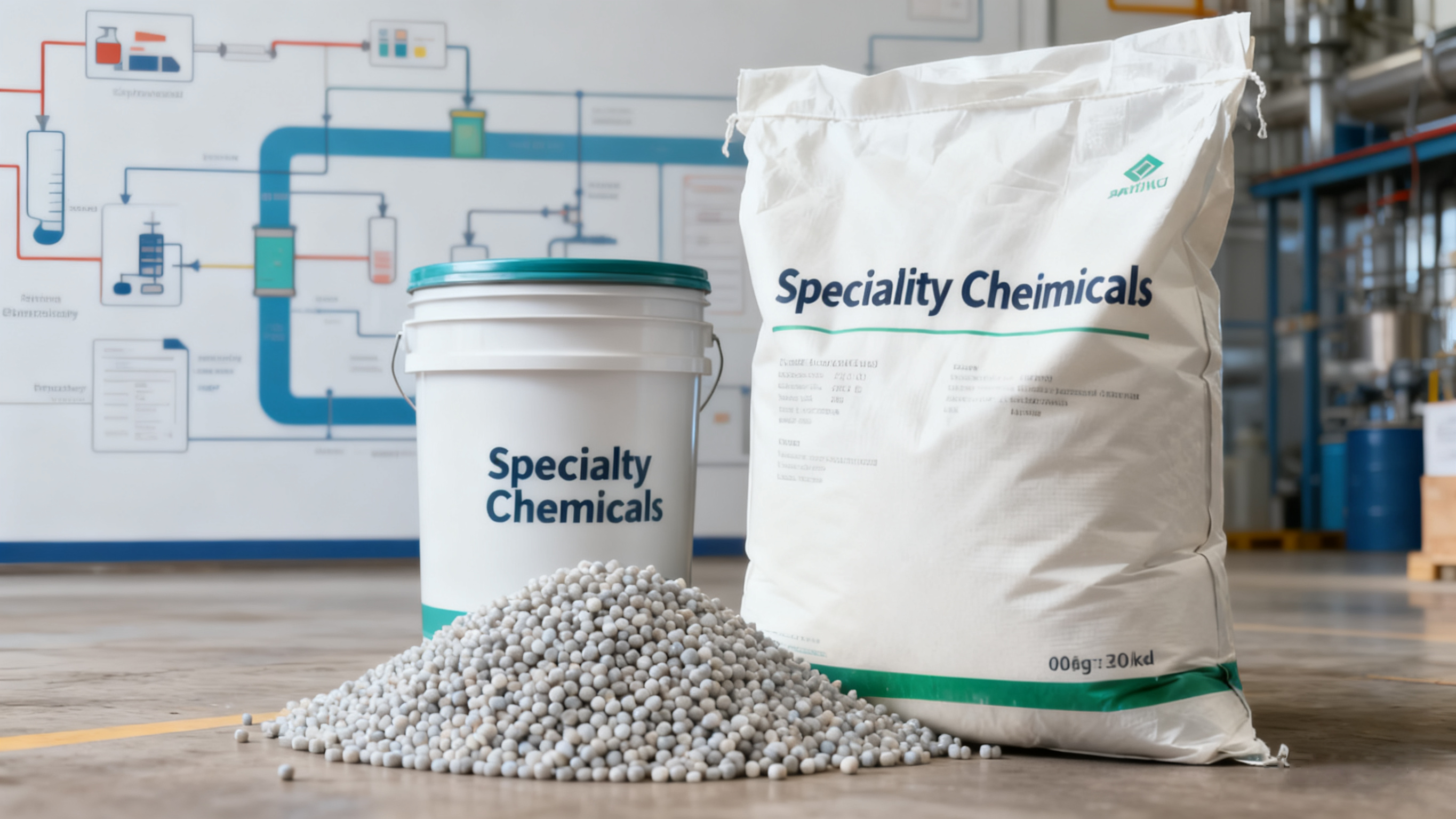
The manufacturing industry is experiencing a transformative shift driven by innovative specialty chemicals that enhance product performance, sustainability, and operational efficiency. Among these breakthrough materials, silane coupling agents have emerged as crucial components enabling manufacturers to achieve superior bonding, durability, and functionality across diverse applications. These advanced chemical solutions are revolutionizing everything from automotive composites to electronic components, creating new possibilities for material engineering and production optimization.
Manufacturing professionals are increasingly recognizing the critical role specialty chemicals play in meeting contemporary challenges including environmental regulations, cost pressures, and performance demands. The integration of advanced chemical technologies is enabling companies to develop products with enhanced properties while reducing environmental impact and improving manufacturing processes. This evolution represents a fundamental shift toward more sophisticated, science-driven approaches to industrial production.
Advanced Surface Modification Technologies
Revolutionary Adhesion Enhancement Solutions
Modern manufacturing relies heavily on advanced surface modification technologies that create stronger, more durable bonds between dissimilar materials. These technologies utilize specialized chemical formulations to alter surface properties at the molecular level, enabling unprecedented adhesion performance. The automotive industry particularly benefits from these innovations, where lightweight composites must maintain structural integrity under extreme conditions.
Surface treatment processes now incorporate nanotechnology-enhanced formulations that provide superior coverage and penetration compared to traditional methods. These advanced systems create hybrid interfaces that combine organic and inorganic properties, resulting in materials with exceptional mechanical properties and environmental resistance. Manufacturing facilities implementing these technologies report significant improvements in product quality and reduced warranty claims.
Next-Generation Coating Technologies
Contemporary coating systems incorporate sophisticated chemical architectures designed to provide multiple functionalities within single applications. These multifunctional coatings deliver corrosion protection, UV resistance, antimicrobial properties, and aesthetic appeal simultaneously. The development of smart coating systems that respond to environmental conditions represents a significant advancement in protective technology.
Manufacturers are increasingly adopting waterborne coating systems that eliminate volatile organic compounds while maintaining superior performance characteristics. These environmentally friendly formulations utilize advanced polymer chemistry to achieve durability previously only possible with solvent-based systems. The transition to sustainable coating technologies is driving innovation in chemical formulation and application processes.
Sustainable Chemistry Innovation
Bio-Based Chemical Solutions
The specialty chemicals industry is witnessing unprecedented growth in bio-based alternatives that reduce dependence on petroleum-derived materials. These innovative formulations utilize renewable feedstocks to create high-performance chemicals with reduced environmental impact. Manufacturers implementing bio-based specialty chemicals report improved sustainability metrics while maintaining or exceeding traditional performance standards.
Advanced biotechnology processes enable the production of complex chemical structures previously only available through synthetic routes. These biologically-derived chemicals often exhibit unique properties that enhance product performance while supporting corporate sustainability initiatives. The integration of bio-based chemicals represents a strategic advantage for manufacturers seeking to differentiate their products in environmentally conscious markets.
Circular Economy Integration
Forward-thinking manufacturers are incorporating circular economy principles into their specialty chemical selection and usage strategies. This approach emphasizes chemical recyclability, biodegradability, and resource efficiency throughout the product lifecycle. Companies implementing circular chemistry principles report reduced waste generation and improved resource utilization efficiency.
The development of chemically recyclable materials enables manufacturers to create closed-loop production systems where chemical components retain their functionality through multiple use cycles. These innovative approaches require sophisticated chemical design that considers end-of-life processing and material recovery. The economic benefits of circular chemistry extend beyond environmental advantages to include reduced raw material costs and improved supply chain resilience.
High-Performance Composite Materials
Advanced Fiber-Matrix Interfaces
The optimization of fiber-matrix interfaces in composite materials represents a critical area where silane coupling agents demonstrate exceptional value in enhancing mechanical properties and durability. These specialized chemicals create strong covalent bonds between reinforcing fibers and polymer matrices, resulting in composites with superior strength-to-weight ratios and environmental resistance.
Manufacturing processes incorporating advanced interfacial chemistry achieve more consistent composite properties and reduced variability in mechanical performance. The precise control of interfacial bonding enables engineers to optimize composite structures for specific applications while minimizing material usage. These advances are particularly valuable in aerospace and automotive applications where weight reduction and performance reliability are critical requirements.
Nanocomposite Integration
The integration of nanoscale reinforcement materials into composite systems requires sophisticated chemical approaches to achieve uniform dispersion and strong interfacial bonding. Specialty chemicals designed for nanocomposite applications provide the molecular bridges necessary to transfer stress effectively between matrix and reinforcement phases. These systems enable the development of multifunctional composites with enhanced mechanical, thermal, and electrical properties.
Advanced nanocomposite manufacturing processes utilize surface-modified nanoparticles that integrate seamlessly with polymer matrices while maintaining their unique properties. The careful selection of surface modification chemistry ensures compatibility between nanoscale reinforcements and processing conditions. Manufacturers implementing these technologies report significant improvements in product performance and the ability to develop previously impossible material combinations.
Smart Manufacturing Integration
Process Optimization Technologies
Modern manufacturing facilities are implementing smart technologies that optimize specialty chemical usage through real-time monitoring and automated adjustment systems. These advanced process control systems utilize sensors and artificial intelligence to maintain optimal chemical concentrations and processing conditions. The integration of smart manufacturing technologies results in improved product consistency and reduced chemical waste.
Predictive maintenance systems monitor chemical system performance and predict optimal replacement schedules to maintain peak efficiency. These technologies enable manufacturers to minimize downtime while ensuring consistent product quality through optimized chemical management. The data-driven approach to chemical process optimization provides insights that drive continuous improvement initiatives and cost reduction strategies.
Digital Chemistry Applications
The application of digital technologies to specialty chemistry enables manufacturers to develop customized chemical solutions for specific applications through computational modeling and simulation. These advanced tools accelerate chemical development timelines while reducing the need for extensive experimental testing. Digital chemistry platforms enable rapid evaluation of chemical performance under various conditions and accelerate time-to-market for new products.
Machine learning algorithms analyze vast datasets of chemical performance data to identify optimal formulations for specific manufacturing applications. These intelligent systems continuously learn from production data to recommend process improvements and chemical optimization strategies. The integration of digital technologies with specialty chemistry represents a paradigm shift toward more efficient and responsive manufacturing processes.
Emerging Market Applications
Electronics and Semiconductor Manufacturing
The electronics industry drives significant innovation in specialty chemicals through demanding requirements for miniaturization, performance, and reliability. Advanced chemical solutions enable the production of smaller, faster, and more efficient electronic components while meeting stringent quality standards. Specialty chemicals for electronics applications must provide precise control over material properties at nanoscale dimensions.
Semiconductor manufacturing processes utilize highly specialized chemicals that enable the creation of increasingly complex integrated circuits with improved performance characteristics. These applications require exceptional purity levels and precise chemical composition control to ensure consistent device performance. The continuous advancement of electronic technologies drives ongoing innovation in specialty chemical formulations and manufacturing processes.
Renewable Energy Applications
The growing renewable energy sector creates new opportunities for specialty chemicals in solar panel manufacturing, wind turbine production, and energy storage systems. These applications require chemicals that provide long-term stability under challenging environmental conditions while maintaining high performance standards. Specialty chemicals enable the development of more efficient and durable renewable energy technologies.
Energy storage systems utilize advanced chemical technologies to achieve improved capacity, charging rates, and cycle life characteristics. The development of next-generation battery technologies relies on sophisticated chemical engineering to optimize electrode materials and electrolyte systems. Specialty chemicals play crucial roles in enabling the performance improvements necessary for widespread renewable energy adoption.
FAQ
How do silane coupling agents improve manufacturing processes
Silane coupling agents significantly enhance manufacturing processes by creating strong chemical bonds between organic and inorganic materials, resulting in improved adhesion, durability, and performance characteristics. These specialized chemicals act as molecular bridges that enable superior integration of different material types, leading to products with enhanced mechanical properties and extended service life. Manufacturing facilities implementing silane coupling agents report improved product quality, reduced defect rates, and enhanced processing efficiency.
What sustainability benefits do modern specialty chemicals provide
Modern specialty chemicals offer substantial sustainability benefits including reduced volatile organic compound emissions, improved resource efficiency, and enhanced product durability that extends service life. Bio-based specialty chemicals utilize renewable feedstocks to reduce dependence on petroleum-derived materials while maintaining high performance standards. These innovations enable manufacturers to meet environmental regulations while achieving superior product performance and reduced lifecycle costs.
How are digital technologies transforming specialty chemical applications
Digital technologies are revolutionizing specialty chemical applications through predictive analytics, real-time process optimization, and computational chemistry tools that accelerate product development. Smart manufacturing systems utilize sensors and artificial intelligence to optimize chemical usage, reduce waste, and improve product consistency. Machine learning algorithms analyze performance data to identify optimal formulations and process conditions, enabling more efficient and responsive manufacturing operations.
What emerging applications drive specialty chemical innovation
Emerging applications in electronics miniaturization, renewable energy systems, and advanced composites drive significant innovation in specialty chemical development. The semiconductor industry requires increasingly sophisticated chemical solutions for nanoscale manufacturing processes, while renewable energy applications demand chemicals that provide long-term stability under challenging environmental conditions. These demanding applications push the boundaries of chemical performance and drive continuous innovation in specialty chemical formulations.