
 EN
EN
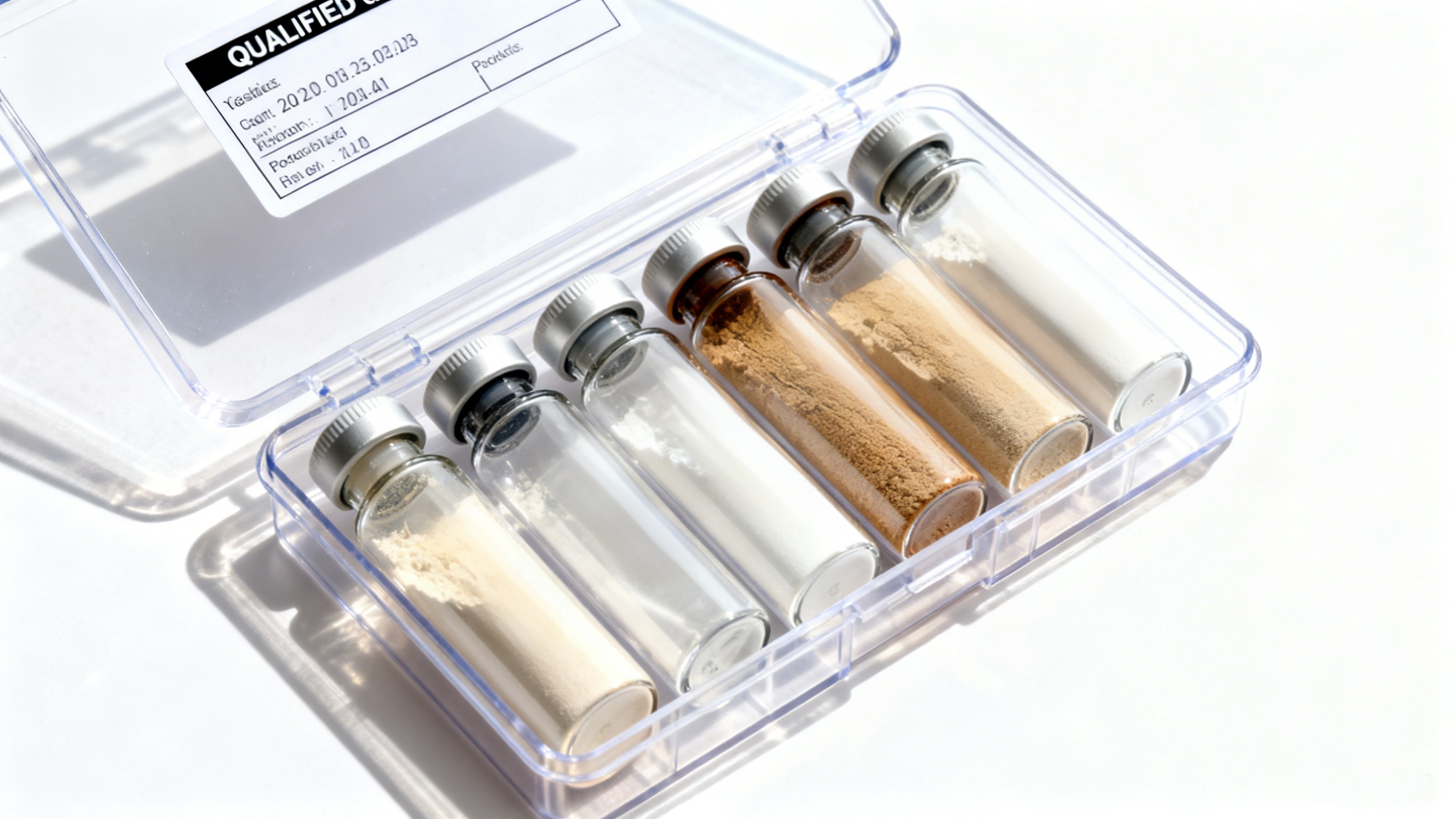
Sourcing reliable antiparasitics drugs for global markets demands a strategic approach rooted in regulatory compliance, supplier credibility, and quality assurance. As global demand for antiparasitics drugs continues to rise across veterinary, pharmaceutical, and agricultural sectors, buyers must navigate complex supply chains while maintaining stringent safety and efficacy standards. The stakes are high: substandard antiparasitics drugs can compromise treatment outcomes, erode market trust, and expose organizations to regulatory penalties.
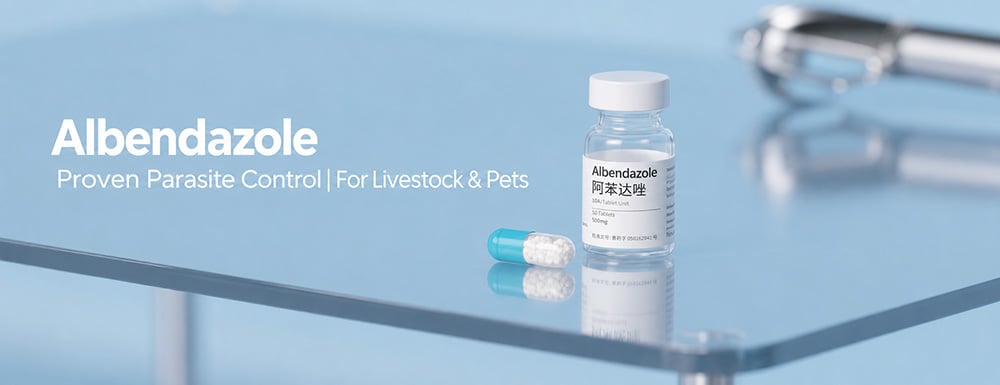
Whether you are a pharmaceutical distributor, veterinary clinic network, or healthcare provider entering new geographic markets, understanding how to identify and evaluate suppliers of antiparasitics drugs is essential. This guide provides actionable frameworks for sourcing antiparasitics drugs with confidence, ensuring that every procurement decision aligns with quality, regulatory, and commercial objectives.
Understanding Quality Standards for Antiparasitics Drugs
Regulatory Compliance and Certification Pathways
Quality antiparasitics drugs must meet stringent regulatory requirements that vary by market. In the United States, antiparasitics drugs fall under FDA oversight, requiring manufacturers to demonstrate safety, efficacy, and Good Manufacturing Practice (GMP) compliance. European markets enforce EMA standards, while emerging markets may operate under regional regulatory bodies. When sourcing antiparasitics drugs, verify that suppliers hold current certifications from recognized authorities relevant to your target market.
Beyond initial approval, antiparasitics drugs require ongoing batch testing and stability monitoring. Reputable suppliers maintain detailed documentation of every manufacturing run, including raw material specifications, in-process controls, and finished product testing results. Request certificates of analysis for any antiparasitics drugs you evaluate, confirming that active pharmaceutical ingredient (API) concentrations, purity levels, and absence of contaminants meet published standards.
Manufacturing Standards and Quality Control Mechanisms
Quality antiparasitics drugs originate from facilities designed to prevent contamination and ensure consistent potency. Facilities manufacturing antiparasitics drugs should follow ISO 9001 quality management systems and maintain climate-controlled environments that prevent degradation of sensitive active ingredients. When assessing suppliers of antiparasitics drugs, inquire about their quality control architecture: environmental monitoring protocols, equipment calibration schedules, and personnel training records.
Traceability is another critical component. Suppliers of antiparasitics drugs should maintain lot numbering systems that allow rapid identification and recall of specific batches if issues arise. Raw materials used in antiparasitics drugs should themselves be qualified from approved vendors, creating an unbroken chain of accountability throughout the supply chain.
Evaluating Supplier Credibility and Reliability
Due Diligence and Background Research
Begin your search for antiparasitics drugs suppliers by researching their operational history, regulatory standing, and market reputation. Check whether the supplier holds current manufacturing licenses and has no history of FDA warning letters, product recalls, or failed inspections. Many regulatory agencies publish databases of licensed manufacturers and importers; use these as your first verification step when considering antiparasitics drugs sources.
Industry networks, trade associations, and peer references provide invaluable insight into supplier reliability. Request contact information from existing customers who purchase antiparasitics drugs from the supplier, and ask about delivery consistency, product quality stability, and responsiveness to issues. Suppliers of high-quality antiparasitics drugs typically welcome such inquiries and provide multiple references.
On-Site Assessments and Third-Party Audits
For significant antiparasitics drugs procurement volumes, conduct or commission third-party facility audits. These assessments verify that manufacturing environments, equipment, and personnel practices align with stated standards. Auditors evaluate documentation systems, staff qualifications, and cleanliness protocols at antiparasitics drugs production sites, providing objective evidence of operational capability.
Many established suppliers of antiparasitics drugs hold current audit certifications from recognized bodies such as NSF or ISPE. Request copies of recent audit reports, noting any corrective actions or findings. Even minor observations in audit reports of antiparasitics drugs suppliers should be understood—how suppliers respond to feedback is itself an indicator of quality culture and commitment to continuous improvement.
Managing Supply Chain and Regulatory Logistics
Documentation, Traceability, and Import Compliance
Sourcing antiparasitics drugs across borders requires meticulous attention to import regulations, tariff classifications, and country-of-origin documentation. Verify that suppliers of antiparasitics drugs maintain accurate export records and provide required certificates of origin, phytosanitary statements (if applicable), and conformity documentation for your destination country. Many countries require specific import permits for antiparasitics drugs; confirm that suppliers can facilitate or provide guidance on obtaining these.
Maintain comprehensive records of every antiparasitics drugs purchase: supplier details, lot numbers, certificates of analysis, shipping dates, and receipt confirmation. This documentation protects your organization in the event of regulatory inquiries or product issues. Digital supply chain management systems designed for antiparasitics drugs and pharmaceutical products streamline this process and ensure compliance with chain-of-custody requirements.
Logistics, Storage, and Shelf-Life Management
Antiparasitics drugs often have specific storage requirements: temperature control, humidity management, and protection from light exposure are critical for maintaining efficacy. Reliable suppliers of antiparasitics drugs should communicate these requirements clearly and provide guidance on proper storage during transit and at destination facilities. Request information about packaging design, insulated shipping containers, and temperature monitoring devices used when delivering antiparasitics drugs.
Establish clear expectations regarding shelf-life and expiration dates. When receiving antiparasitics drugs, verify that remaining shelf-life exceeds your organization's minimum acceptable window—typically six months to two years, depending on market and product type. Suppliers should offer first-in-first-out (FIFO) rotation support and facilitate return or credit processes for antiparasitics drugs approaching expiration.
FAQ
What regulatory certifications should I verify before purchasing antiparasitics drugs?
Verify that antiparasitics drugs suppliers hold current manufacturing licenses from your target market's regulatory authority—FDA for the US, EMA for Europe, or equivalent bodies in other regions. Request ISO 9001 certification, GMP compliance documentation, and recent third-party audit reports. Additionally, confirm that the specific antiparasitics drugs formulations carry active product registrations and approvals in markets where you intend to distribute them.
How can I assess supplier reliability when sourcing antiparasitics drugs internationally?
Request certificates of analysis and stability data for antiparasitics drugs you are considering. Contact existing customers and ask about their experience with delivery consistency and product quality. Conduct facility audits or commission third-party assessments of antiparasitics drugs manufacturing sites. Verify regulatory standing through agency databases and obtain references from industry peers who have successfully sourced antiparasitics drugs from the supplier.
What documentation is essential for importing antiparasitics drugs into new markets?
Essential documentation for antiparasitics drugs includes certificates of analysis, certificates of origin, import permits specific to your destination country, and country-of-manufacture statements. Many countries require that antiparasitics drugs carry import authorization letters and may demand additional regulatory certifications or quality dossiers. Work with your antiparasitics drugs supplier to understand your destination market's specific requirements and ensure all documentation is prepared before shipment.