
 EN
EN
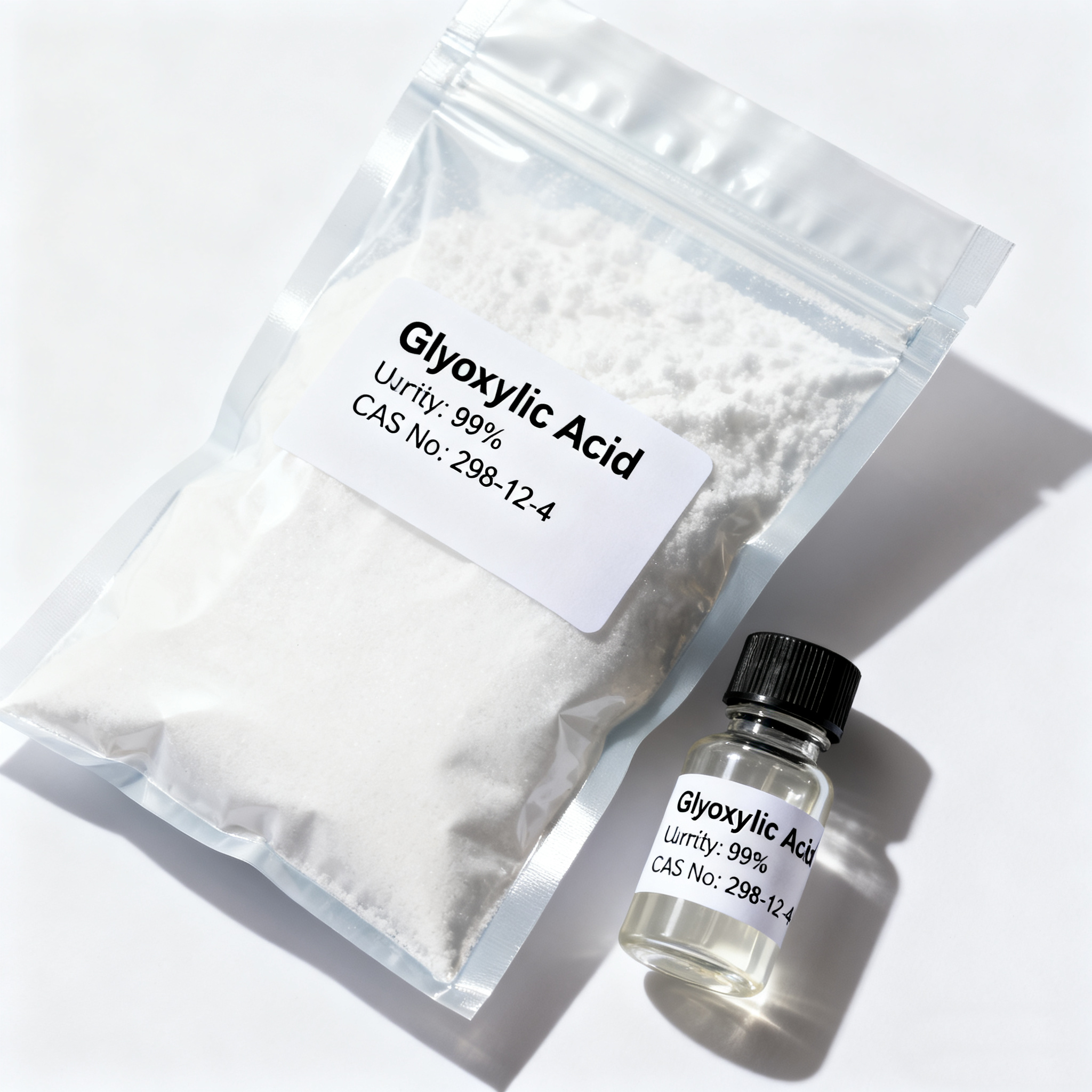
High-purity glyoxylic acid stands as a critical ingredient for manufacturers seeking to improve product quality across pharmaceutical, cosmetic, and industrial sectors. The molecular stability and chemical purity of glyoxylic acid directly influence the efficacy, safety profile, and shelf life of finished products. When sourced at pharmaceutical-grade specifications, glyoxylic acid delivers consistent molecular composition that reduces manufacturing variability and downstream complications. Understanding how to leverage high-purity glyoxylic acid in formulation development is essential for quality-focused manufacturers targeting regulated markets and demanding customer bases.
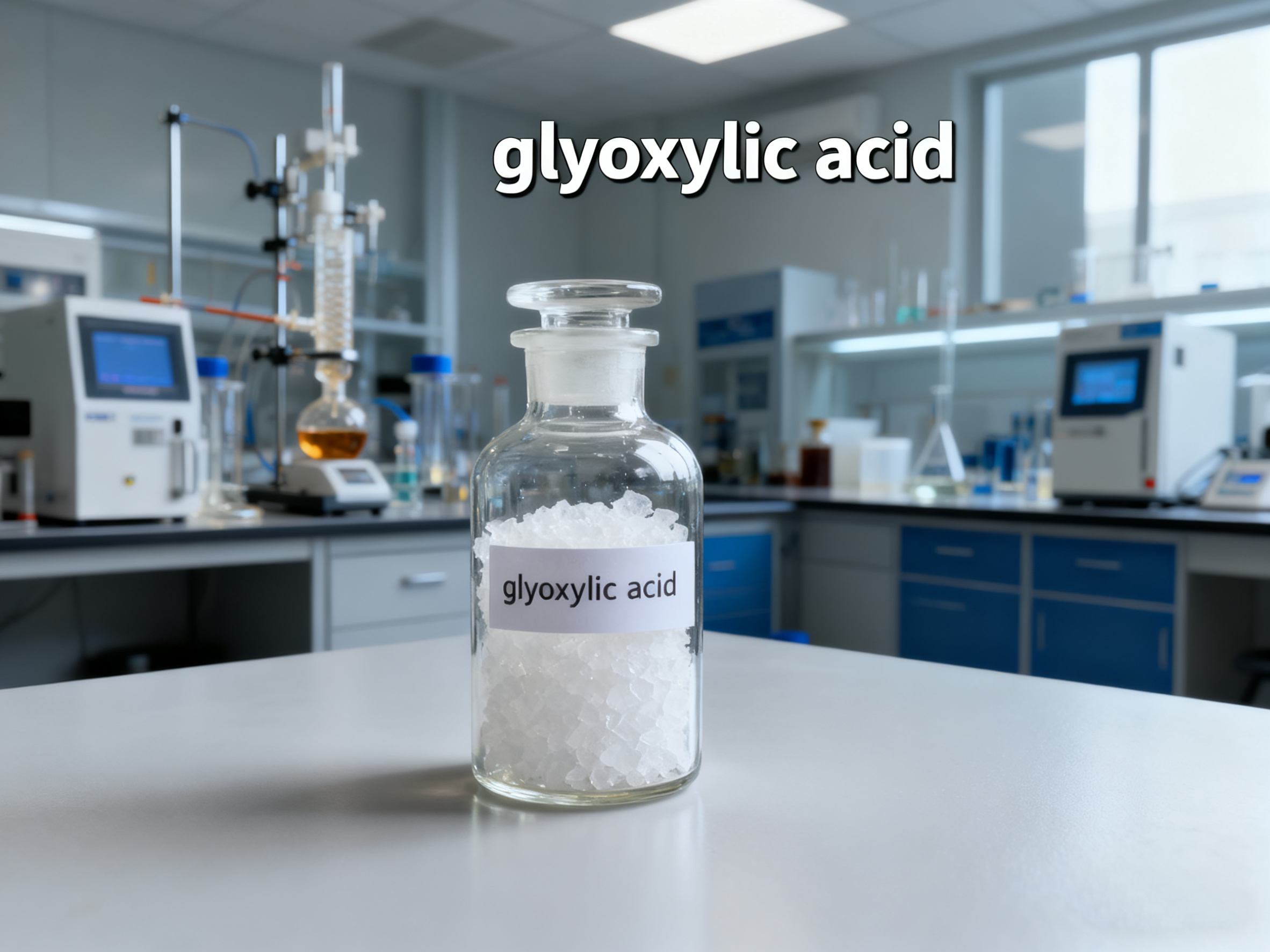
The role of glyoxylic acid in modern product development cannot be overstated. High-purity glyoxylic acid enables formulators to achieve tighter quality control windows, reduce impurity-related side reactions, and produce more consistent end products. This intermediate serves multiple functions—from acting as a precursor in pharmaceutical synthesis to enhancing preservation systems in personal care applications. Selecting appropriate glyoxylic acid specifications determines whether your manufacturing process meets regulatory requirements and customer expectations.
Understanding High-Purity Glyoxylic Acid Specifications
Purity Standards and Their Impact on Manufacturing
High-purity glyoxylic acid must meet stringent analytical standards to function effectively in regulated industries. The purity level of glyoxylic acid directly correlates with the absence of crystalline impurities, residual moisture, and organic contaminants that could compromise final product performance. Pharmaceutical-grade glyoxylic acid typically exceeds 99% assay purity, ensuring minimal interference with sensitive reaction pathways and downstream formulation steps. When manufacturers source glyoxylic acid meeting USP, EP, or equivalent monographs, they gain assurance that the intermediate will behave predictably in their specific manufacturing environment.
The moisture content and water sensitivity of glyoxylic acid represent critical quality parameters that directly influence product stability. High-purity glyoxylic acid with controlled water activity prevents hydrolysis reactions and unwanted polymerization during storage and processing. This characteristic becomes particularly important when glyoxylic acid participates in condensation reactions, cross-linking processes, or moisture-sensitive formulations. Manufacturers using properly specified glyoxylic acid experience fewer batch failures and extended product shelf life compared to lower-purity alternatives.
Characterization Methods for Purity Verification
Analytical testing methods confirm that your sourced glyoxylic acid meets declared purity specifications and quality standards. HPLC analysis of glyoxylic acid identifies the primary component concentration and quantifies related impurities, decomposition products, and process residues. Karl Fischer titration determines the exact water content within glyoxylic acid samples, a critical parameter for manufacturers working with moisture-sensitive systems. Thermogravimetric analysis and differential scanning calorimetry establish thermal stability profiles for glyoxylic acid, informing safe processing temperature windows and storage conditions.
X-ray diffraction and crystallographic analysis reveal the polymorphic form of glyoxylic acid, which influences dissolution rates, reactivity, and bioavailability in pharmaceutical applications. Mass spectrometry fragmentation patterns confirm the molecular structure of glyoxylic acid and identify trace heavy metals or organometallic contaminants. These verification methods ensure that each batch of glyoxylic acid meets your formulation requirements and regulatory submission standards. Comprehensive characterization of glyoxylic acid also provides evidence for regulatory authorities during product audits and compliance reviews.
How High-Purity Glyoxylic Acid Improves Formulation Performance
Chemical Stability and Reaction Consistency
High-purity glyoxylic acid participates in controlled chemical reactions that produce predictable intermediates and final products with superior consistency. The absence of competing impurities in glyoxylic acid means that reaction mechanisms proceed along intended pathways rather than generating unwanted side products. Manufacturers using high-purity glyoxylic acid observe reproducible reaction yields, reduced purification requirements, and lower manufacturing waste streams. This chemical predictability translates directly into cost savings and improved batch-to-batch consistency that satisfies quality assurance specifications and customer expectations.
The oxidation state and functional group reactivity of glyoxylic acid determine its effectiveness as a synthesis precursor in pharmaceutical and fine chemical manufacturing. High-purity glyoxylic acid maintains precise oxidation levels that enable selective coupling reactions and controlled condensation chemistry. When glyoxylic acid contains uncontrolled oxidation state variations or contaminating aldehydes, competing reaction pathways emerge that complicate purification and reduce final product purity. Sourcing reliably specified glyoxylic acid eliminates these variables and streamlines your synthesis route.
Safety Profile and Regulatory Compliance
High-purity glyoxylic acid sourced from qualified suppliers carries documented safety profiles and toxicological data required for pharmaceutical regulatory submissions. The impurity profile of glyoxylic acid directly influences genotoxicity assessments, allergenicity evaluations, and residual solvent determinations mandated by regulatory authorities. Pharmaceutical-grade glyoxylic acid with comprehensive characterization data supports faster regulatory approvals and reduces the likelihood of costly resubmission cycles. Manufacturers choosing high-purity glyoxylic acid demonstrate commitment to safety and compliance that resonates with regulatory reviewers and builds confidence in their product quality systems.
The stability profile of glyoxylic acid under storage and manufacturing conditions directly affects product safety and efficacy over the claimed shelf life. High-purity glyoxylic acid resists degradation, oligomerization, and polymerization that could introduce safety concerns or efficacy losses. By selecting stabilized, high-purity glyoxylic acid formulations, manufacturers protect their finished products from decomposition byproducts that might trigger adverse events or quality failures. This protective characteristic proves invaluable for manufacturers serving sensitive patient populations or highly regulated market segments.
Practical Applications Where High-Purity Glyoxylic Acid Delivers Value
Pharmaceutical Synthesis and Active Pharmaceutical Ingredient Production
High-purity glyoxylic acid serves as a versatile building block in the synthesis of important pharmaceutical compounds, including cardiovascular agents, anti-inflammatory molecules, and antimicrobial intermediates. The chemical selectivity of glyoxylic acid enables efficient multi-step synthesis routes that minimize overall production steps and reduce manufacturing timelines. Pharmaceutical manufacturers utilizing high-purity glyoxylic acid achieve API purities exceeding 99.5% with reduced need for extensive recrystallization and purification. This efficiency advantage improves manufacturing productivity while maintaining the quality standards demanded by global regulatory frameworks.
Specialized pharmaceutical applications such as chelation therapy, antimicrobial treatment, and regenerative medicine formulations depend on precisely specified glyoxylic acid intermediates. High-purity glyoxylic acid enables the development of biocompatible compounds that interact safely with biological systems while maintaining therapeutic efficacy. The predictable behavior of glyoxylic acid in biochemical contexts supports clinical program advancement and reduces the risk of late-stage development failures attributable to raw material quality inconsistency.
Cosmetic and Personal Care Formulation Enhancement
High-purity glyoxylic acid functions as an effective chemical exfoliant, preservation booster, and stability enhancer in cosmetic formulations targeting aging skin and surface renewal. The controlled hydrolysis and oxidative properties of glyoxylic acid deliver targeted skin benefits while minimizing irritation and sensitization risks associated with lower-purity forms. Cosmetic manufacturers using high-purity glyoxylic acid achieve more predictable consumer experience profiles and improved safety margins that support product positioning and marketing claims. The stability of glyoxylic acid in cosmetic matrices extends product shelf life and prevents discoloration, separation, or efficacy degradation during the customer use period.
Advanced skincare applications incorporating high-purity glyoxylic acid generate measurable clinical results in collagen production stimulation, barrier function improvement, and cellular turnover acceleration. The reliability of glyoxylic acid as a formulation component enables cosmetic manufacturers to publish substantiated efficacy claims and conduct meaningful clinical studies. Formulators achieving consistent results with high-purity glyoxylic acid build brand loyalty through predictable performance and reduced adverse event reporting compared to inconsistent or lower-quality materials.
FAQ
What determines whether glyoxylic acid qualifies as 'high-purity'?
High-purity glyoxylic acid typically meets or exceeds 99% assay purity as confirmed by HPLC analysis, contains minimal water content below 2%, and demonstrates absence of heavy metals, residual solvents, and organic contaminants per ICH guidelines. The specific purity requirements depend on your application—pharmaceutical manufacturing demands stricter specifications than industrial uses. Regulatory monographs such as USP or European Pharmacopoeia establish reference standards that define high-purity glyoxylic acid for compliance-critical applications.
How does high-purity glyoxylic acid reduce manufacturing variability?
High-purity glyoxylic acid ensures consistent molecular composition batch-to-batch, eliminating impurity-driven side reactions that cause yield variation and quality inconsistency. When glyoxylic acid meets strict analytical standards, reaction mechanisms proceed predictably along intended pathways rather than branching toward unwanted byproducts. This chemical consistency reduces the need for extensive quality testing, rework, and purification steps that complicate manufacturing schedules. Manufacturers benefit from tighter process control, reduced waste, and improved first-pass yield metrics.
Can I substitute lower-purity glyoxylic acid to reduce costs?
Substituting lower-purity glyoxylic acid typically introduces hidden costs through increased rework, batch rejections, extended processing times, and regulatory compliance risks that exceed the initial material savings. glyoxylic acid of pharmaceutical grade ensures that your finished products meet regulatory requirements and customer quality expectations without downstream complications. For manufacturers targeting premium markets, regulated sectors, or international distribution, high-purity glyoxylic acid represents a necessary investment rather than a discretionary cost.