
 EN
EN
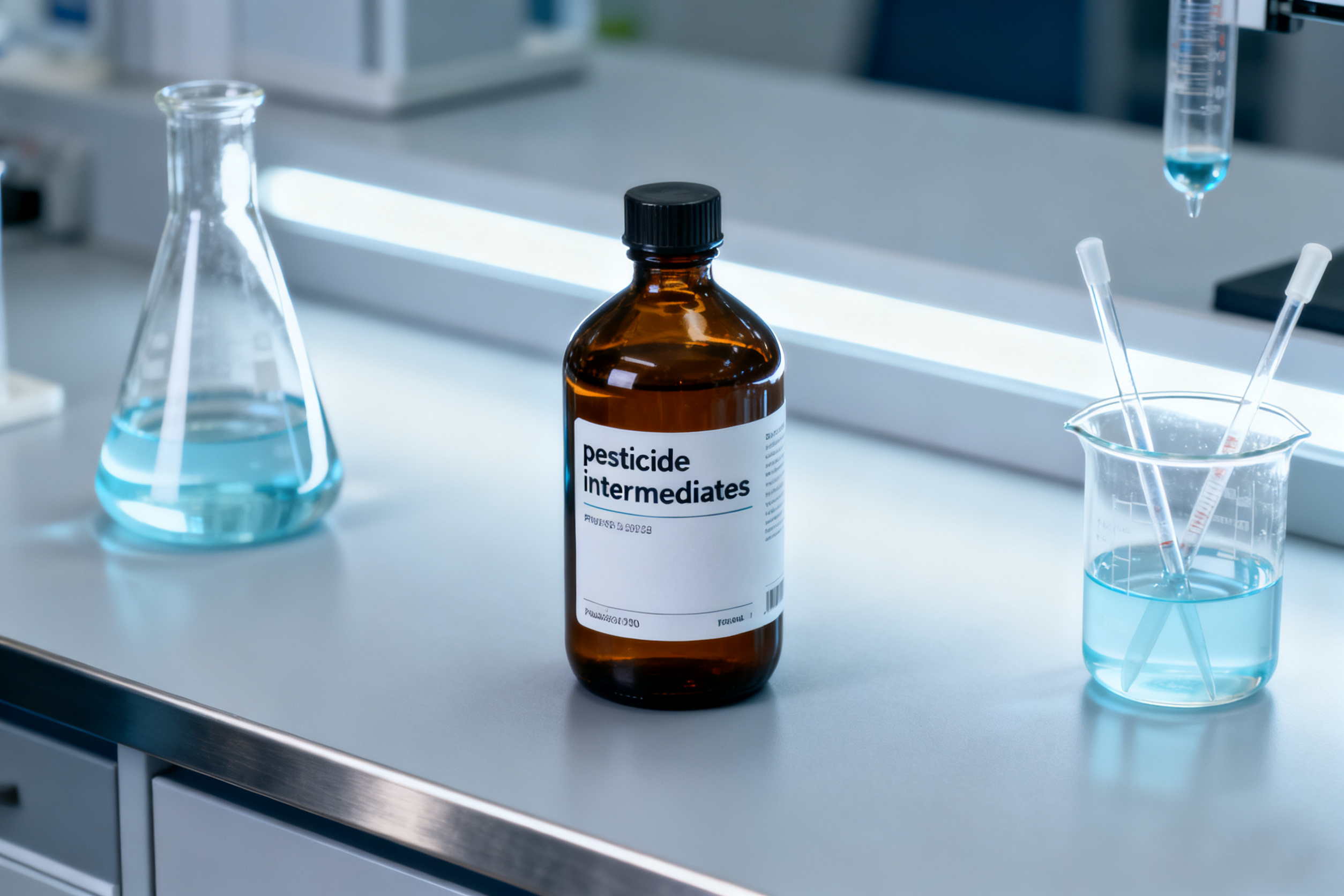
Consistency in pesticide intermediates production is fundamental to the entire agricultural chemicals industry. Manufacturers face the critical challenge of producing these chemical building blocks at precisely controlled specifications every single time. Without rigorous consistency measures, downstream formulations fail to deliver expected efficacy, create regulatory compliance issues, and damage market reputation. The stakes are exceptionally high because any deviation in pesticide intermediates quality directly impacts crop protection effectiveness and farmer outcomes.

Ensuring consistent pesticide intermediates requires a comprehensive approach that spans raw material sourcing, process control, analytical verification, and documentation. Leading manufacturers integrate quality management systems, advanced instrumentation, and skilled technical expertise to guarantee batch-to-batch uniformity. This article explores the proven strategies that top-tier chemical producers use to maintain exceptional standards in pesticide intermediates manufacturing and meet the exacting demands of global agricultural markets.
Raw Material Selection and Supplier Management
Establishing Rigorous Supplier Standards
The foundation of consistent pesticide intermediates begins with raw material quality. Manufacturers establish strict supplier qualification protocols that evaluate chemical purity, moisture content, particle size distribution, and trace element profiles. Each supplier of starting materials must demonstrate their ability to meet specifications repeatedly through audits, certifications, and statistical validation. Qualified suppliers for pesticide intermediates production undergo initial evaluation and then face ongoing performance monitoring to ensure they maintain standards across all shipments.
Incoming Inspection and Material Certification
Every batch of incoming raw materials destined for pesticide intermediates synthesis undergoes comprehensive testing before entering production. Manufacturers perform identity confirmation, purity analysis, water content measurement, and heavy metal screening. Certificates of analysis from suppliers are cross-verified through in-house laboratory testing. This dual verification system ensures that only materials meeting exact specifications enter the pesticide intermediates manufacturing process, preventing quality deviations before they occur.
Process Control and Manufacturing Standardization
Temperature, Pressure, and Reaction Monitoring
Manufacturing consistent pesticide intermediates demands precise control of reaction conditions. Manufacturers deploy automated systems that continuously monitor temperature gradients, maintain pressure within narrow tolerances, control pH levels, and track reaction time with millisecond accuracy. Each pesticide intermediates batch follows validated reaction protocols established through extensive development work. Deviations trigger automated alarms and corrective actions before they compromise product quality. Real-time data logging creates an audit trail demonstrating that every pesticide intermediates batch received identical controlled conditions.
Equipment Maintenance and Calibration Protocols
Reactors, distillation columns, filtration systems, and drying equipment used in pesticide intermediates production require preventive maintenance schedules and regular calibration. Manufacturers maintain detailed equipment logs tracking cleaning cycles, maintenance interventions, and performance validation tests. All instrumentation measuring temperature, pressure, flow rate, and analytical parameters must be calibrated against certified standards at defined intervals. This rigorous equipment management ensures that manufacturing systems for pesticide intermediates remain in optimal condition, delivering consistent results across production runs.
Analytical Testing and Quality Verification
Multi-Method Testing of Pesticide Intermediates
Finished pesticide intermediates batches undergo comprehensive analytical testing using multiple complementary methods. High-performance liquid chromatography (HPLC) confirms active ingredient content and identifies impurity profiles. Gas chromatography measures volatile by-products and residual solvents. Inductively coupled plasma mass spectrometry (ICP-MS) quantifies elemental impurities. Each pesticide intermediates batch must pass all analytical tests within established acceptance ranges. Testing occurs at multiple stages: after synthesis, after purification, and after final packaging, creating multiple checkpoints that prevent non-conforming pesticide intermediates from reaching customers.
Statistical Process Control and Trending
Sophisticated manufacturers implement statistical process control (SPC) to track pesticide intermediates quality trends across multiple batches. By plotting results on control charts, quality teams identify gradual drift patterns before they breach specification limits. Moving averages and standard deviation analysis reveal whether pesticide intermediates production is drifting toward upper or lower control limits. This predictive approach allows manufacturers to make minor process adjustments to maintain pesticide intermediates consistency, preventing out-of-specification batches from occurring in the first place.
Documentation, Training, and Continuous Improvement
Comprehensive Standard Operating Procedures
Every pesticide intermediates manufacturing process follows detailed standard operating procedures (SOPs) that specify exact quantities, temperatures, timings, and quality checks. SOPs are developed through validated experimental work and updated whenever process improvements are implemented. Manufacturing personnel receive thorough training on each SOP before handling pesticide intermediates production. Documentation systems track which operator performed each step, when calibrations occurred, and what raw material lots were used. This traceability ensures complete transparency and enables rapid root-cause investigation if any pesticide intermediates batch shows quality deviations.
Regular Audits and Regulatory Compliance
Manufacturers of pesticide intermediates conduct internal audits quarterly or semi-annually to verify compliance with established procedures. External audits by regulatory agencies such as EPA, ECHA, or national authorities provide independent verification that pesticide intermediates production meets legal requirements. Non-conformances discovered during audits trigger corrective and preventive action (CAPA) programs. Manufacturers maintain detailed records of audit findings and corrective measures implemented. This systematic approach to quality management ensures that pesticide intermediates consistency is maintained not just accidentally, but through deliberate, documented systems that prevent recurring issues.
FAQ
What specific tests verify the consistency of pesticide intermediates?
Consistency verification for pesticide intermediates includes identity testing (NMR, IR spectroscopy), purity determination (HPLC), water content analysis (Karl Fischer titration), elemental impurity screening (ICP-MS), and solvent residue measurement (GC). Each pesticide intermediates batch must pass all these tests within established ranges. Additional tests may include melting point determination, density measurement, and particle size analysis depending on the specific pesticide intermediates being manufactured.
How do manufacturers prevent batch-to-batch variation in pesticide intermediates?
Preventing variation in pesticide intermediates requires controlling every variable: raw material qualification, reaction temperature precision, reaction time standardization, equipment calibration, and analytical verification. Manufacturers use validated processes based on extensive development work, maintain equipment in peak condition, and employ statistical monitoring. When minor variations appear, early detection through SPC allows corrective adjustments before pesticide intermediates batches deviate outside acceptable ranges. This proactive approach maintains consistency rather than simply accepting whatever results occur.
Why is consistency of pesticide intermediates critical for downstream formulations?
Downstream formulation performance depends directly on pesticide intermediates quality and consistency. Inconsistent pesticide intermediates lead to variable active ingredient concentrations in final products, causing unpredictable field performance and crop protection failures. Regulatory agencies require consistent active ingredients to maintain registration validity. Farmers demand reliable products that deliver consistent pest control across growing seasons. Any deviation in pesticide intermediates consistency can trigger customer complaints, registration challenges, and reputational damage that affects market position and profitability.