
 EN
EN

Understanding the Hidden Dangers of Digestive Medication Misuse
The growing prevalence of digestive disorders has led to an increased reliance on over-the-counter and prescription medications. While these drugs provide essential relief for millions, improper digestive drug use carries significant risks that many people overlook. From mild discomfort to severe complications, the consequences of medication misuse can impact both immediate and long-term health outcomes. As we delve deeper into this crucial topic, we'll explore the various dimensions of digestive drug risks and how to protect yourself while managing digestive health effectively.
Common Types of Digestive Medications and Their Associated Risks
Antacids and Acid Suppressants
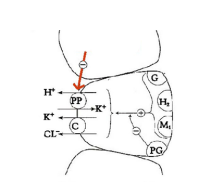
Antacids are among the most frequently used digestive medications, offering quick relief from heartburn and acid reflux. However, regular overuse of these medications can lead to several complications. Long-term use of calcium-based antacids may increase the risk of kidney stones, while aluminum-containing products can interfere with phosphate absorption, potentially affecting bone health. Moreover, prolonged use of proton pump inhibitors (PPIs) has been linked to increased digestive drug risks, including vitamin B12 deficiency, increased susceptibility to certain infections, and potential bone density reduction.
Anti-diarrheal Medications
While anti-diarrheal drugs provide necessary relief, their misuse can mask underlying conditions requiring medical attention. Overuse of these medications may lead to severe constipation and even bowel obstruction in extreme cases. Additionally, some anti-diarrheal medications can interact with other drugs, potentially causing dangerous side effects or reducing the effectiveness of essential medications.
Long-term Consequences of Digestive Medicine Abuse
Impact on Gut Microbiome
One of the most significant digestive drug risks involves disruption of the gut microbiome. Regular overuse of certain digestive medications can alter the delicate balance of beneficial bacteria in the digestive system. This imbalance may lead to various health issues, including increased susceptibility to infections, compromised immune function, and potential development of inflammatory bowel conditions. Research suggests that even short-term misuse can have lasting effects on gut flora composition.
Organ System Complications
Prolonged improper use of digestive medications can affect multiple organ systems. The liver, responsible for processing most medications, may become strained under continuous exposure to certain drugs. Kidney function can also be compromised, particularly with long-term use of specific antacids and anti-inflammatory medications. Furthermore, some digestive medications may affect nutrient absorption, leading to deficiencies that impact overall health.
Safe Usage Guidelines and Prevention Strategies
Proper Dosage and Timing
Understanding correct medication dosage is crucial in minimizing digestive drug risks. Following prescribed guidelines, maintaining recommended intervals between doses, and avoiding prolonged use without medical supervision are essential practices. It's important to recognize that more medication doesn't necessarily mean better results – in fact, exceeding recommended doses can significantly increase the risk of adverse effects.
Alternative Treatment Approaches
Considering non-pharmaceutical alternatives can help reduce reliance on digestive medications. Dietary modifications, stress management techniques, and lifestyle changes often provide sustainable relief without the digestive drug risks associated with long-term medication use. Working with healthcare providers to develop comprehensive treatment plans that incorporate both medical and natural approaches can lead to better outcomes.
Monitoring and Professional Guidance
Regular Health Assessment
Regular medical check-ups are essential for anyone using digestive medications regularly. These assessments help identify potential complications early and allow for necessary adjustments to treatment plans. Healthcare providers can monitor vital organ functions, nutrient levels, and overall digestive health to ensure medications are providing benefits without causing harm.
Recognition of Warning Signs
Understanding the warning signs of digestive drug risks is crucial for prevention. Symptoms such as unexpected changes in bowel habits, persistent abdominal pain, or new digestive issues while taking medications should prompt immediate medical consultation. Being proactive about monitoring and reporting side effects can prevent serious complications from developing.
Future Considerations in Digestive Medicine
Emerging Treatment Options
The field of digestive health continues to evolve, with new medications and treatment approaches being developed. These innovations focus on reducing digestive drug risks while maintaining therapeutic effectiveness. From targeted therapies to personalized medicine approaches, future treatments promise better solutions for managing digestive disorders with fewer side effects.
Sustainable Health Management
Moving forward, the emphasis is increasingly on sustainable approaches to digestive health. This includes developing treatment strategies that balance immediate symptom relief with long-term health outcomes. Understanding and implementing these approaches can help minimize digestive drug risks while maintaining effective symptom management.
Frequently Asked Questions
How long can I safely take digestive medications?
The safe duration varies depending on the specific medication and your condition. Generally, over-the-counter digestive medications should not be used for more than two weeks without consulting a healthcare provider. Prescription medications require regular monitoring and should be used exactly as prescribed.
Can natural alternatives effectively replace digestive medications?
While natural alternatives can be effective for mild digestive issues, they may not be suitable for all conditions. Some natural remedies can complement conventional treatments, but any changes to medication regimens should be discussed with a healthcare provider to ensure safety and effectiveness.
What are the signs that my digestive medication is causing problems?
Key warning signs include new or worsening digestive symptoms, unusual fatigue, unexplained weight changes, or persistent discomfort. If you experience any of these symptoms while taking digestive medications, consult your healthcare provider immediately for evaluation and potential adjustment of your treatment plan.
Table of Contents
- Understanding the Hidden Dangers of Digestive Medication Misuse
- Common Types of Digestive Medications and Their Associated Risks
- Long-term Consequences of Digestive Medicine Abuse
- Safe Usage Guidelines and Prevention Strategies
- Monitoring and Professional Guidance
- Future Considerations in Digestive Medicine
- Frequently Asked Questions