
 EN
EN
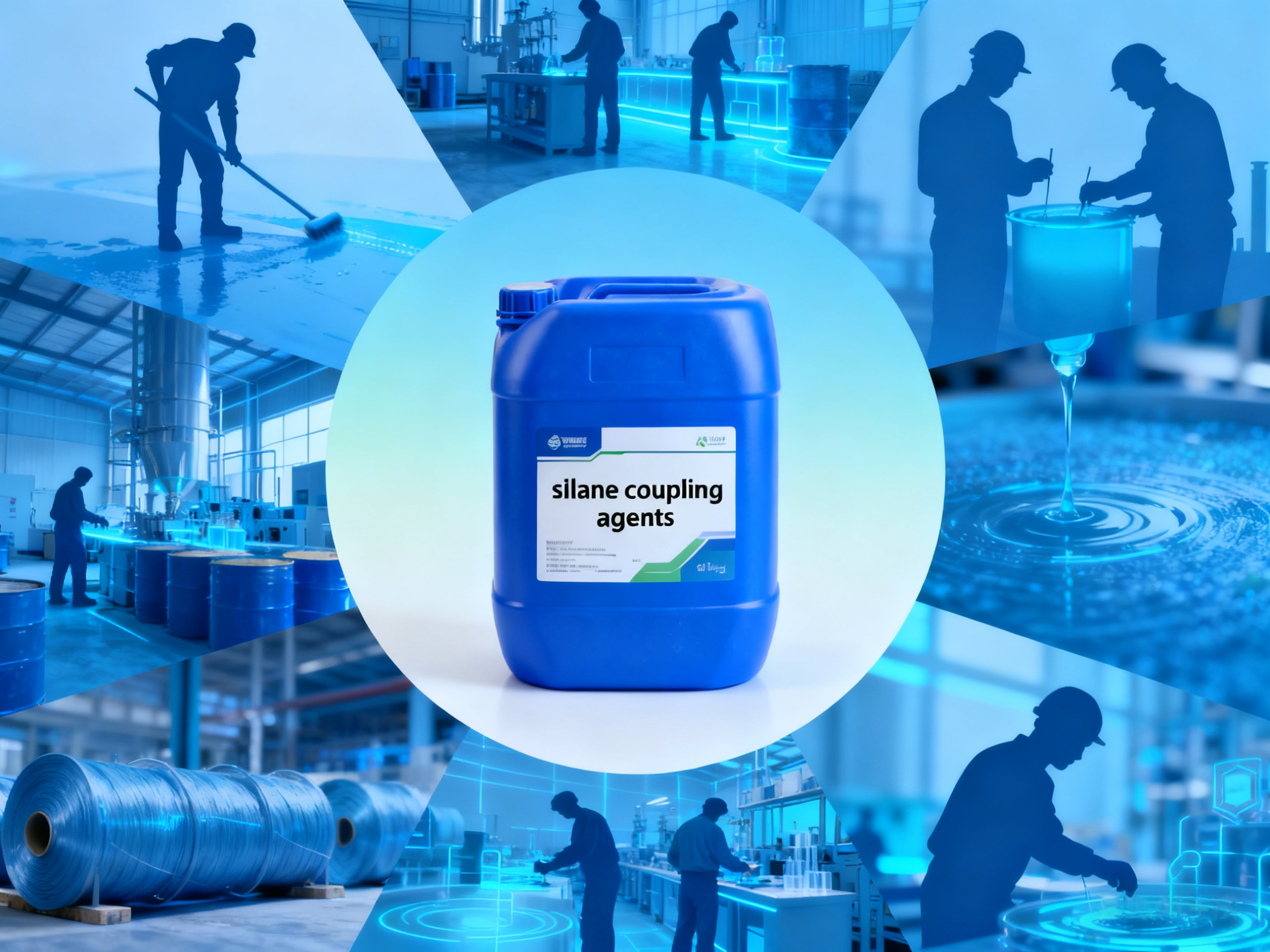
Manufacturing industries across the globe rely on advanced chemical solutions to enhance product performance, durability, and cost-effectiveness. Among these critical materials, silane coupling agents have emerged as essential components for improving adhesion between organic and inorganic materials. These versatile chemical compounds serve as molecular bridges that create stronger bonds between dissimilar surfaces, ultimately leading to superior product quality and extended service life. Understanding the key considerations for selecting the right silane coupling agents can significantly impact manufacturing outcomes, product reliability, and overall operational success.
Understanding the Chemical Properties and Functionality
Molecular Structure and Bonding Mechanisms
The effectiveness of silane coupling agents stems from their unique dual-functional molecular structure, which contains both organo-functional groups and hydrolyzable groups. This bifunctional nature allows these compounds to form covalent bonds with inorganic substrates while simultaneously interacting with organic polymers or resins. The hydrolyzable groups, typically alkoxy or chloro groups, react with hydroxyl groups on inorganic surfaces such as glass, metals, or minerals to form stable siloxane bonds.
Manufacturers must carefully evaluate the specific functional groups present in potential silane coupling agents to ensure compatibility with their target materials. Amino-functional silanes work exceptionally well with epoxy resins and provide excellent adhesion to glass fibers, while vinyl-functional variants are ideal for unsaturated polyester applications. Methacryloxy-functional silanes offer superior performance in dental composites and optical applications due to their ability to participate in free radical polymerization reactions.
Thermal Stability and Processing Conditions
Processing temperature requirements play a crucial role in silane selection, as different coupling agents exhibit varying degrees of thermal stability. High-temperature manufacturing processes demand silane coupling agents that maintain their chemical integrity and bonding effectiveness under extreme conditions. Manufacturers working with thermoplastic composites or high-temperature cure cycles must prioritize silanes with enhanced thermal resistance to prevent degradation during processing.
The hydrolysis and condensation kinetics of silane coupling agents are temperature-dependent, affecting both application methods and final performance characteristics. Understanding these thermal behaviors enables manufacturers to optimize processing parameters, reduce cycle times, and achieve consistent product quality. Additionally, thermal expansion coefficients must be considered to minimize stress concentrations at the interface between bonded materials.
Application-Specific Performance Requirements
Substrate Compatibility and Surface Preparation
Different manufacturing applications require specific types of silane coupling agents based on the substrates being bonded and the intended service environment. Glass fiber reinforced plastics benefit from amino or epoxy-functional silanes that promote strong interfacial bonds between the glass surface and polymer matrix. Metal substrates often require specialized silanes with corrosion inhibition properties to prevent oxidation and maintain long-term adhesion performance.
Surface preparation methods significantly influence the effectiveness of silane coupling agents, making it essential to consider application techniques during the selection process. Some silanes work best when applied from aqueous solutions, while others require organic solvents for optimal coverage and penetration. The pH sensitivity of certain silanes also affects their stability in aqueous systems, requiring careful formulation considerations for water-based applications.
Environmental Resistance and Durability
Long-term performance in challenging environments demands careful consideration of environmental resistance properties when selecting silane coupling agents. Moisture exposure, UV radiation, thermal cycling, and chemical exposure can all affect the stability of silane-treated interfaces over time. Manufacturers operating in marine environments, automotive applications, or outdoor construction must prioritize silanes with proven hydrolytic stability and UV resistance.
Accelerated aging tests provide valuable insights into the long-term performance of silane-treated materials under simulated service conditions. These tests help manufacturers predict product lifespan, establish maintenance schedules, and validate warranty claims. The selection of appropriate silane coupling agents based on durability testing results can significantly reduce field failures and associated costs.
Economic Considerations and Cost Optimization
Material Cost Analysis and ROI Calculations
The initial cost of silane coupling agents represents only one component of the total cost equation that manufacturers must evaluate. While premium silanes may command higher unit prices, their superior performance characteristics often translate into reduced material consumption, improved product quality, and decreased warranty claims. Comprehensive cost analysis should include factors such as application efficiency, processing time reduction, and improved yield rates.
Return on investment calculations for silane coupling agents should incorporate both direct and indirect benefits. Direct benefits include improved bond strength, reduced delamination rates, and enhanced product durability. Indirect benefits encompass reduced rework costs, improved customer satisfaction, and potential for premium pricing due to superior product performance. These comprehensive evaluations help manufacturers make informed decisions that optimize both performance and profitability.
Supply Chain Reliability and Vendor Relationships
Establishing reliable supply chains for silane coupling agents is critical for maintaining consistent production schedules and product quality. Manufacturers should evaluate potential suppliers based on their production capacity, quality control systems, technical support capabilities, and geographic distribution networks. Single-source dependencies can create significant risks, making supplier diversification an important consideration in the selection process.
Long-term partnerships with silane suppliers often provide access to technical expertise, custom formulation services, and preferential pricing arrangements. These relationships can be particularly valuable when developing new products or troubleshooting performance issues. Supplier technical support capabilities should include analytical services, application guidance, and regulatory compliance assistance to maximize the value of the partnership.
Regulatory Compliance and Safety Considerations
Health and Safety Regulations
Workplace safety requirements significantly influence the selection of silane coupling agents, as these materials can present various health and safety hazards during handling and application. Volatile silanes may require specialized ventilation systems and personal protective equipment to minimize worker exposure. Manufacturers must evaluate the safety data sheets for potential silanes and ensure their facilities can safely handle and store these materials.
Regulatory compliance extends beyond workplace safety to include environmental regulations, product safety standards, and industry-specific requirements. Food contact applications, medical devices, and children's products often have stringent restrictions on allowable chemical additives. Manufacturers must verify that their selected silane coupling agents comply with all applicable regulations in their target markets.
Environmental Impact and Sustainability
Increasing environmental awareness and regulatory pressure are driving manufacturers to consider the environmental impact of their material choices. Silane coupling agents with lower volatile organic compound content, reduced toxicity profiles, and biodegradable characteristics are becoming increasingly important selection criteria. Life cycle assessments can help quantify the environmental benefits of different silane options.
Sustainable manufacturing practices also encompass waste reduction, energy efficiency, and recyclability considerations. Silane coupling agents that enable material recycling or reduce processing energy requirements contribute to overall sustainability goals. Green chemistry principles encourage the selection of silanes with renewable feedstock sources and minimal environmental impact throughout their life cycle.
Testing and Quality Control Protocols
Performance Validation Methods
Establishing comprehensive testing protocols is essential for validating the performance of selected silane coupling agents in specific applications. Standard test methods such as wet peel strength, dry heat aging, and humidity resistance provide quantitative measures of adhesion performance under various conditions. Custom test protocols may be necessary for specialized applications or unique service environments.
Statistical process control methods help manufacturers monitor the consistency of silane treatment processes and identify potential quality issues before they impact product performance. Control charts, capability studies, and correlation analyses provide valuable insights into process optimization opportunities. Regular performance monitoring ensures that selected silane coupling agents continue to meet specifications throughout their service life.
Analytical Characterization Techniques
Advanced analytical techniques enable manufacturers to understand the fundamental mechanisms by which silane coupling agents improve material performance. Surface analysis methods such as X-ray photoelectron spectroscopy and atomic force microscopy provide detailed information about interfacial chemistry and morphology. These insights guide optimization efforts and troubleshooting activities.
Thermal analysis techniques including differential scanning calorimetry and thermogravimetric analysis help characterize the thermal behavior of silane-treated materials. This information is crucial for optimizing processing conditions and predicting long-term performance under elevated temperature conditions. Mechanical testing protocols evaluate the impact of silane treatments on composite properties such as tensile strength, flexural modulus, and impact resistance.
FAQ
How do I determine the optimal concentration of silane coupling agents for my application
The optimal concentration of silane coupling agents typically ranges from 0.5% to 2.0% by weight of the inorganic substrate, but this can vary significantly based on specific application requirements. Start with manufacturer recommendations and conduct systematic testing at different concentrations while measuring key performance indicators such as bond strength, water resistance, and processing characteristics. Consider factors such as substrate surface area, porosity, and the specific silane chemistry when establishing concentration guidelines for your process.
What are the most common compatibility issues between silane coupling agents and polymer matrices
Compatibility issues often arise from mismatched functional groups, pH sensitivity, or competing chemical reactions during processing. Amino-functional silanes may interfere with acid-catalyzed cure systems, while acidic conditions can destabilize certain silane formulations. Conduct small-scale compatibility tests before full implementation, monitoring for changes in cure kinetics, mechanical properties, or appearance that might indicate chemical incompatibility between the silane and polymer system.
How should silane coupling agents be stored to maintain their effectiveness
Proper storage conditions are critical for maintaining silane effectiveness and preventing premature hydrolysis or degradation. Store silanes in sealed containers under dry, cool conditions away from direct sunlight and sources of moisture. Most silanes have shelf lives of 12-24 months when stored properly, but regular quality testing is recommended for aged materials. Maintain detailed inventory records and implement first-in-first-out rotation to ensure optimal product performance.
What quality control measures should be implemented when using silane coupling agents
Implement a comprehensive quality control program that includes incoming material inspection, process parameter monitoring, and finished product testing. Verify silane purity and water content upon receipt, monitor application parameters such as concentration and cure conditions during processing, and conduct regular adhesion testing on finished products. Establish statistical process control limits based on historical performance data and investigate any deviations promptly to maintain consistent product quality.
Table of Contents
- Understanding the Chemical Properties and Functionality
- Application-Specific Performance Requirements
- Economic Considerations and Cost Optimization
- Regulatory Compliance and Safety Considerations
- Testing and Quality Control Protocols
-
FAQ
- How do I determine the optimal concentration of silane coupling agents for my application
- What are the most common compatibility issues between silane coupling agents and polymer matrices
- How should silane coupling agents be stored to maintain their effectiveness
- What quality control measures should be implemented when using silane coupling agents