
 EN
EN
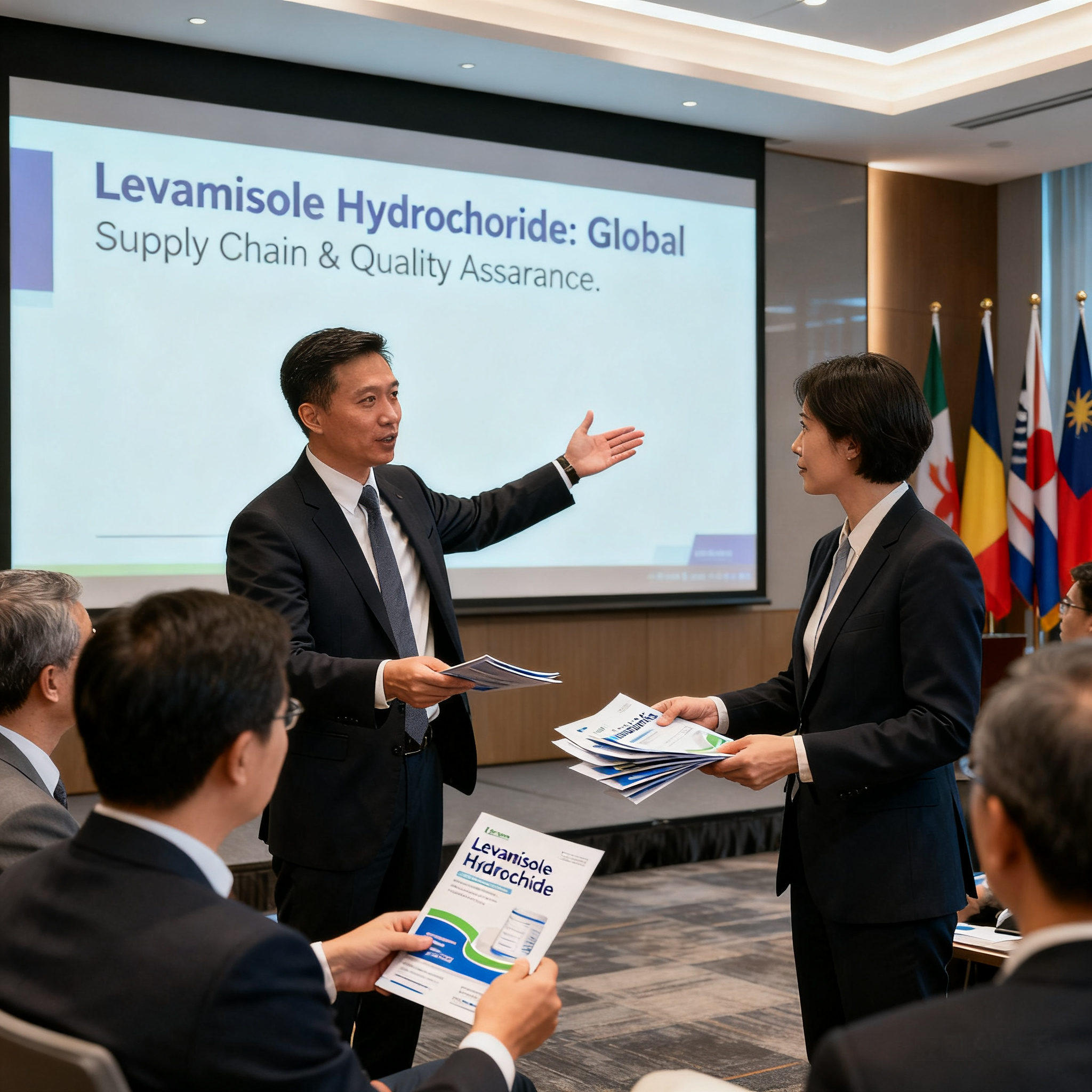
In today's interconnected pharmaceutical landscape, supply chain stability has emerged as a fundamental concern for buyers of specialized compounds like Levamisole Hydrochloride. This anthelmintic agent, widely used in both veterinary and human medicine, requires consistent availability to ensure uninterrupted treatment protocols and maintain therapeutic efficacy. The complex nature of pharmaceutical supply chains, coupled with increasing regulatory requirements and global market volatility, makes supply chain reliability a critical factor that directly impacts patient outcomes and business operations.
The pharmaceutical industry has witnessed numerous supply chain disruptions over the past decade, ranging from natural disasters to manufacturing quality issues and geopolitical tensions. These disruptions have highlighted the vulnerability of single-source dependencies and the cascading effects that supply shortages can have on healthcare systems worldwide. For buyers of Levamisole Hydrochloride, understanding these risks and implementing robust procurement strategies has become essential for maintaining operational continuity and ensuring patient safety.
Supply chain stability encompasses multiple dimensions, including supplier reliability, manufacturing capacity, regulatory compliance, logistics efficiency, and risk mitigation capabilities. Each of these elements plays a crucial role in determining whether buyers can secure consistent access to high-quality Levamisole Hydrochloride when needed. The stakes are particularly high in the pharmaceutical sector, where supply interruptions can lead to treatment delays, increased costs, and potential health complications for patients who depend on these medications.
Understanding Supply Chain Vulnerabilities in Pharmaceutical Markets
Manufacturing Concentration Risks
The global pharmaceutical manufacturing landscape for specialized compounds like Levamisole Hydrochloride is characterized by significant geographic concentration, with a limited number of facilities capable of producing these materials to required quality standards. This concentration creates inherent vulnerabilities, as disruptions at a single facility can impact global supply availability. Many buyers have experienced the consequences of over-reliance on single suppliers, particularly when manufacturing issues, regulatory actions, or facility shutdowns have occurred without adequate backup options.
Manufacturing concentration is often driven by economic factors, as specialized pharmaceutical production requires substantial capital investment, technical expertise, and regulatory compliance capabilities. The high barriers to entry in this market segment mean that new manufacturers are not easily established, and existing capacity cannot be quickly expanded to meet sudden demand increases. This reality makes diversification strategies essential for buyers seeking to minimize supply risks and ensure consistent access to Levamisole Hydrochloride.
The technical complexity of producing pharmaceutical-grade Levamisole Hydrochloride further compounds concentration risks. Manufacturing requires specialized equipment, validated processes, and highly trained personnel to maintain the strict quality standards demanded by regulatory agencies. Any disruption to these critical elements can result in production delays or quality issues that force temporary shutdowns while problems are resolved.
Regulatory Compliance Challenges
Regulatory compliance represents another significant vulnerability in pharmaceutical supply chains. Manufacturing facilities producing Levamisole Hydrochloride must adhere to stringent Good Manufacturing Practices (GMP) standards and undergo regular inspections by regulatory authorities. Compliance failures can result in immediate production halts, product recalls, or facility shutdowns that severely impact supply availability.
The regulatory landscape continues to evolve, with authorities implementing more rigorous oversight and enforcement measures. These changes can create unexpected compliance requirements that manufacturers must address quickly to maintain their operating licenses. Buyers who rely on suppliers with weak compliance records or inadequate quality systems face increased risk of supply interruptions due to regulatory actions.
International regulatory harmonization efforts have improved consistency in some areas, but significant differences remain between markets. Suppliers must often maintain multiple sets of compliance standards to serve global customers, adding complexity and cost to manufacturing operations. These regulatory complexities can impact production scheduling and capacity allocation, affecting the ability of suppliers to meet customer demand reliably.
Economic Impact of Supply Chain Disruptions
Cost Implications for Buyers
Supply chain disruptions can have severe economic consequences for buyers of Levamisole Hydrochloride, extending far beyond the immediate cost of the compound itself. When primary suppliers experience production issues or capacity constraints, buyers often face price volatility as alternative sources may charge premium rates for expedited supply or limited availability situations. These price spikes can significantly impact operational budgets and profitability, particularly for organizations with tight cost controls or fixed-price contracts with their own customers.
The ripple effects of supply disruptions can also create indirect costs that are often underestimated in supply chain planning. Emergency sourcing activities, expedited shipping, additional quality testing, and regulatory submissions for alternative suppliers all generate incremental expenses. These costs can accumulate rapidly during extended supply shortages, sometimes exceeding the value of the materials being procured.
Inventory management becomes significantly more complex and expensive when supply chains are unstable. Buyers may need to maintain higher safety stock levels to buffer against potential disruptions, tying up working capital and increasing storage costs. The challenge is balancing adequate inventory protection against the costs and risks of holding excess stock, particularly for materials with limited shelf life or evolving regulatory requirements.
Operational Continuity Risks
Beyond direct financial impacts, supply chain instability threatens operational continuity for organizations that depend on consistent Levamisole Hydrochloride availability. Manufacturing operations may face production delays or shutdowns when key materials are unavailable, leading to missed delivery commitments and potential customer dissatisfaction. These operational disruptions can damage business relationships and competitive positioning in the market.
Healthcare organizations face particularly acute operational risks when Levamisole Hydrochloride supplies are disrupted. Treatment protocols may need to be modified, alternative therapies implemented, or patient care delayed while alternative sources are secured. These situations can compromise patient outcomes and create liability concerns for healthcare providers who cannot deliver optimal care due to supply constraints.
The interconnected nature of modern supply chains means that disruptions can cascade through multiple levels of the value chain. Buyers who serve as intermediate suppliers to other organizations may find their own customer relationships strained when they cannot fulfill commitments due to upstream supply issues. This cascading effect can amplify the business impact of supply disruptions far beyond the immediate procurement challenge.
Risk Mitigation Strategies for Buyers
Supplier Diversification Approaches
Implementing effective supplier diversification strategies represents one of the most fundamental approaches to mitigating supply chain risks for Levamisole Hydrochloride procurement. Successful diversification goes beyond simply identifying multiple potential suppliers; it requires careful evaluation of each supplier's capabilities, quality systems, regulatory compliance status, and geographic location to ensure true redundancy in supply options.
Geographic diversification is particularly important for pharmaceutical materials, as regional events such as natural disasters, political instability, or regulatory changes can impact multiple suppliers in the same area simultaneously. Buyers should seek suppliers located in different regions or countries to minimize the risk of simultaneous disruptions affecting their entire supply base. However, this geographic spread must be balanced against the complexity of managing multiple regulatory frameworks and quality standards across different jurisdictions.
Capacity diversification involves ensuring that backup suppliers have adequate manufacturing capacity and technical capability to meet demand requirements if primary suppliers become unavailable. This may require ongoing relationship management, including periodic orders or capacity reservations, to maintain supplier engagement and readiness. Some buyers establish formal supply agreements with secondary suppliers that include minimum purchase commitments or capacity guarantees to ensure availability when needed.
Quality Assurance and Supplier Validation
Robust quality assurance programs are essential for maintaining supply chain stability while ensuring that Levamisole Hydrochloride meets required specifications and regulatory standards. Buyers must implement comprehensive supplier validation processes that evaluate not only current product quality but also the supplier's quality management systems, manufacturing capabilities, and compliance track record.
Ongoing supplier monitoring and audit programs help identify potential quality or compliance issues before they result in supply disruptions. Regular facility inspections, quality system reviews, and performance monitoring can provide early warning of problems that might impact supply reliability. These proactive approaches allow buyers to address issues collaboratively with suppliers or activate alternative sources before shortages occur.
Documentation and traceability requirements have become increasingly important in pharmaceutical supply chains. Buyers must ensure that their suppliers maintain adequate documentation of manufacturing processes, quality testing results, and regulatory compliance activities. This documentation is essential for regulatory submissions and can be crucial during supply chain investigations or quality incidents.
Technology Solutions for Supply Chain Visibility
Digital Tracking and Monitoring Systems
Modern technology solutions offer unprecedented opportunities for buyers to gain visibility into their Levamisole Hydrochloride supply chains and proactively identify potential disruptions. Digital tracking systems can monitor supplier performance, inventory levels, and logistics status in real-time, providing early warning of developing issues that could impact supply availability. These systems integrate data from multiple sources to create comprehensive dashboards that enable informed decision-making.
Blockchain technology is emerging as a powerful tool for pharmaceutical supply chain management, offering immutable tracking of materials from manufacturing through distribution. For Levamisole Hydrochloride buyers, blockchain-based systems can provide complete visibility into product provenance, manufacturing conditions, and chain of custody throughout the supply process. This transparency helps ensure product authenticity and can accelerate investigations when quality issues arise.
Artificial intelligence and machine learning algorithms are increasingly being deployed to analyze supply chain data and predict potential disruptions. These systems can identify patterns in supplier performance, market conditions, and external factors that may indicate increased risk of supply interruptions. By providing predictive insights, these technologies enable buyers to take proactive measures to secure alternative supplies or adjust inventory strategies before shortages occur.
Collaborative Planning Platforms
Collaborative planning platforms facilitate better communication and coordination between Levamisole Hydrochloride buyers and their suppliers, improving overall supply chain stability. These platforms enable shared visibility into demand forecasts, production schedules, and inventory status, allowing suppliers to better align their production planning with buyer requirements. Improved coordination reduces the likelihood of supply-demand mismatches that can create shortages or excess inventory situations.
Electronic data interchange (EDI) and application programming interface (API) integrations streamline information sharing between buyers and suppliers, reducing manual processes and improving data accuracy. Automated systems can trigger alerts when inventory levels fall below predetermined thresholds or when suppliers report production issues, enabling rapid response to potential supply chain disruptions.
Cloud-based collaboration platforms provide scalable solutions that can accommodate multiple suppliers and enable secure information sharing across organizational boundaries. These platforms often include workflow management capabilities that standardize processes for purchase orders, quality documentation, and regulatory submissions, improving efficiency and reducing the risk of errors that could impact supply chain performance.
Regulatory Considerations and Compliance
Change Control Management
Effective change control management is crucial for maintaining supply chain stability while ensuring continued regulatory compliance for Levamisole Hydrochloride procurement. Any changes to manufacturing processes, suppliers, or facilities must be carefully evaluated and documented to meet regulatory requirements. Buyers must work closely with suppliers to understand proposed changes and assess their potential impact on product quality and supply reliability.
Regulatory notification requirements vary by jurisdiction and can significantly impact the timeline for implementing supplier changes. Buyers must factor these regulatory timelines into their supply chain planning, ensuring that alternative suppliers are validated and approved well in advance of when they might be needed. The regulatory approval process for new suppliers can take months or even years, making proactive planning essential for maintaining supply security.
Documentation requirements for change control are extensive and must be maintained throughout the product lifecycle. Buyers need robust systems for tracking supplier qualifications, regulatory submissions, and approval status to ensure compliance with applicable regulations. Failure to maintain proper documentation can result in regulatory violations and supply chain disruptions if authorities question the qualification status of suppliers.
International Trade Considerations
International trade regulations and customs procedures can significantly impact Levamisole Hydrochloride supply chain stability, particularly for buyers sourcing from multiple countries. Import licensing requirements, customs clearance procedures, and trade documentation must be carefully managed to avoid delays that could disrupt supply schedules. Changes in trade policies or international relations can create unexpected barriers to cross-border supply chain operations.
Harmonized tariff classifications and duty rates can affect the economic viability of different supply sources, influencing supplier selection decisions. Buyers must stay informed about changes in trade regulations that could impact their supply chains and adjust their sourcing strategies accordingly. Free trade agreements and preferential duty treatments may provide cost advantages for suppliers in certain countries, but these benefits can change based on political and economic developments.
Currency exchange rate fluctuations add another layer of complexity to international supply chains. Long-term supply agreements may need to include provisions for currency adjustments to maintain economic viability for both buyers and suppliers. Hedging strategies can help manage currency risk, but buyers must balance the cost of hedging against the potential impact of exchange rate movements on their supply costs.
Building Resilient Procurement Strategies
Contract Structure and Terms
Developing resilient procurement strategies for Levamisole Hydrochloride requires careful attention to contract structure and terms that protect buyers while providing suppliers with reasonable commercial conditions. Supply agreements should include provisions for capacity allocation, delivery schedules, quality specifications, and performance metrics that clearly define expectations and responsibilities for both parties.
Force majeure clauses and business continuity provisions are essential components of supply agreements, defining how parties will respond to unexpected disruptions and allocate risk during supply shortages. These provisions should specify notification requirements, alternative supply arrangements, and cost-sharing mechanisms that enable collaborative problem-solving during crisis situations.
Pricing mechanisms in supply agreements must balance cost predictability with flexibility to respond to changing market conditions. Fixed pricing may provide budget certainty but can create supplier sustainability issues during periods of raw material cost inflation. Index-based pricing or periodic adjustment mechanisms may provide better long-term stability by allowing both parties to share market risks.
Strategic Inventory Management
Strategic inventory management plays a critical role in building supply chain resilience for Levamisole Hydrochloride buyers. Safety stock levels must be carefully calculated based on supply lead times, demand variability, and acceptable service level targets. Higher safety stock levels provide greater protection against supply disruptions but increase carrying costs and working capital requirements.
Consignment inventory arrangements can provide an alternative approach to managing inventory risks, allowing buyers to maintain adequate stock levels without the full financial burden of ownership. Under consignment agreements, suppliers maintain ownership of inventory until it is consumed, reducing buyer working capital requirements while ensuring product availability.
Collaborative forecasting and demand planning with suppliers can improve inventory efficiency by providing better visibility into future requirements. Accurate demand forecasts enable suppliers to plan production more effectively and can reduce the need for safety stock by improving supply predictability. Regular forecast reviews and adjustments help maintain alignment between buyer requirements and supplier capacity planning.
FAQ
What are the main factors that contribute to supply chain instability for Levamisole Hydrochloride?
Supply chain instability for Levamisole Hydrochloride typically results from manufacturing concentration risks, regulatory compliance challenges, raw material shortages, geopolitical tensions, and natural disasters. The limited number of qualified manufacturers capable of producing pharmaceutical-grade material creates vulnerability when any single facility experiences problems. Additionally, the complex regulatory requirements and quality standards necessary for pharmaceutical production can lead to compliance-related disruptions that impact supply availability.
How can buyers effectively evaluate supplier reliability and stability?
Buyers should conduct comprehensive due diligence that includes facility audits, financial stability assessments, regulatory compliance reviews, and reference checks with other customers. Key evaluation criteria should include manufacturing capacity, quality system maturity, regulatory track record, business continuity planning, and technical capabilities. Regular ongoing monitoring through performance metrics, periodic audits, and industry intelligence helps maintain current understanding of supplier stability and risk factors.
What role does technology play in improving supply chain visibility and risk management?
Technology solutions provide real-time visibility into supply chain operations through digital tracking systems, collaborative planning platforms, and predictive analytics tools. Blockchain technology offers immutable tracking of product provenance, while artificial intelligence can analyze patterns to predict potential disruptions. These technologies enable proactive risk management by providing early warning of developing issues and facilitating rapid response to supply chain challenges.
How should buyers balance cost considerations with supply chain security objectives?
Buyers must adopt a total cost of ownership approach that considers not only purchase prices but also the costs of supply disruptions, including emergency sourcing, expedited shipping, production delays, and customer impacts. While diversification strategies and higher safety stock levels increase costs, these investments should be evaluated against the potential financial and operational consequences of supply shortages. Risk-adjusted cost analysis helps identify the optimal balance between cost efficiency and supply security for each organization's specific circumstances.
Table of Contents
- Understanding Supply Chain Vulnerabilities in Pharmaceutical Markets
- Economic Impact of Supply Chain Disruptions
- Risk Mitigation Strategies for Buyers
- Technology Solutions for Supply Chain Visibility
- Regulatory Considerations and Compliance
- Building Resilient Procurement Strategies
-
FAQ
- What are the main factors that contribute to supply chain instability for Levamisole Hydrochloride?
- How can buyers effectively evaluate supplier reliability and stability?
- What role does technology play in improving supply chain visibility and risk management?
- How should buyers balance cost considerations with supply chain security objectives?