
 EN
EN
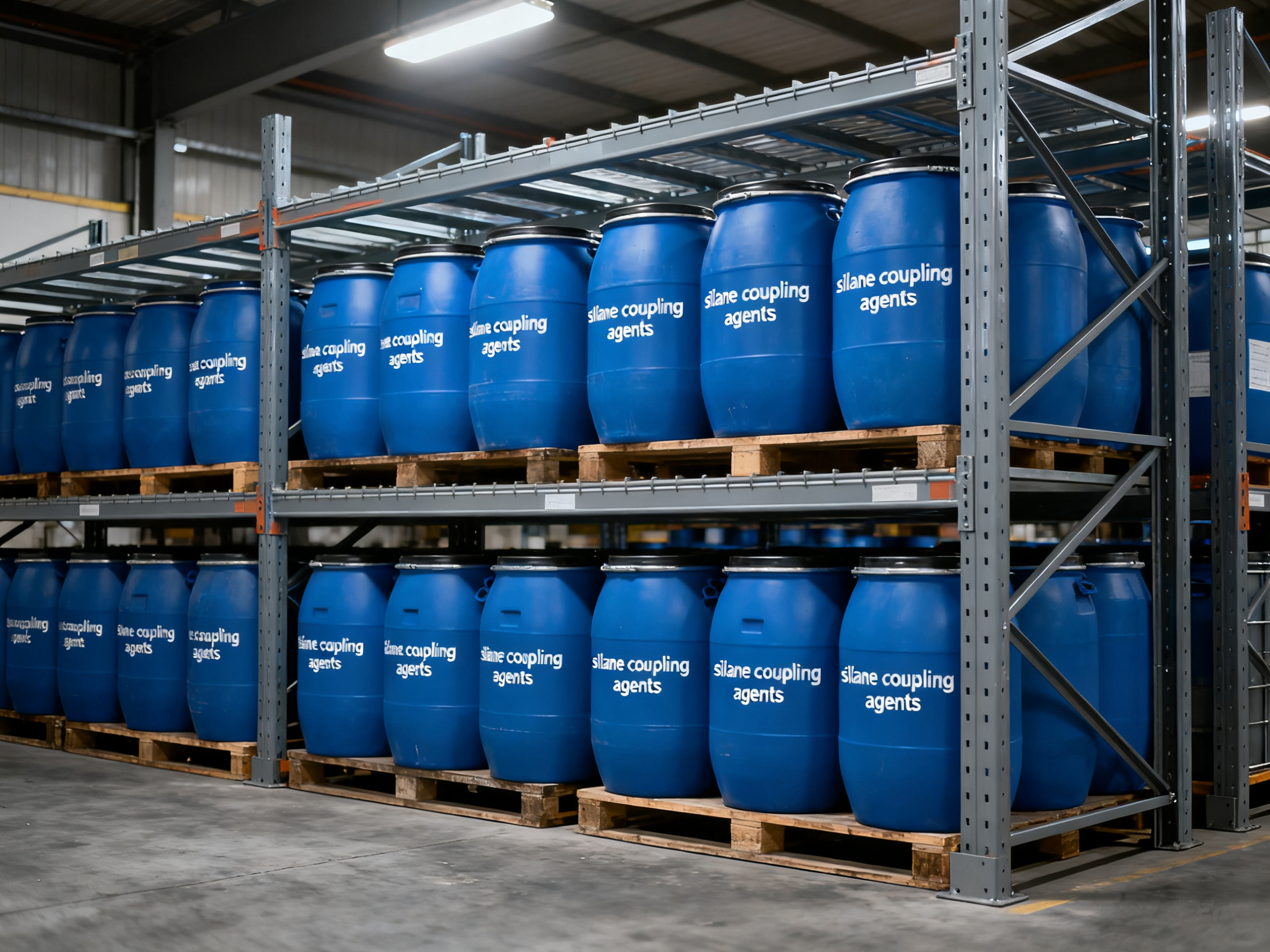
In modern drug development, pharmaceutical intermediates serve as the structural backbone of every successful custom synthesis project. These compounds occupy a critical position in the chemical manufacturing chain, bridging the gap between raw starting materials and finished active pharmaceutical ingredients. Without well-designed pharmaceutical intermediates, synthesizing complex molecules with the precision required for clinical application would be extraordinarily difficult, time-consuming, and commercially impractical.
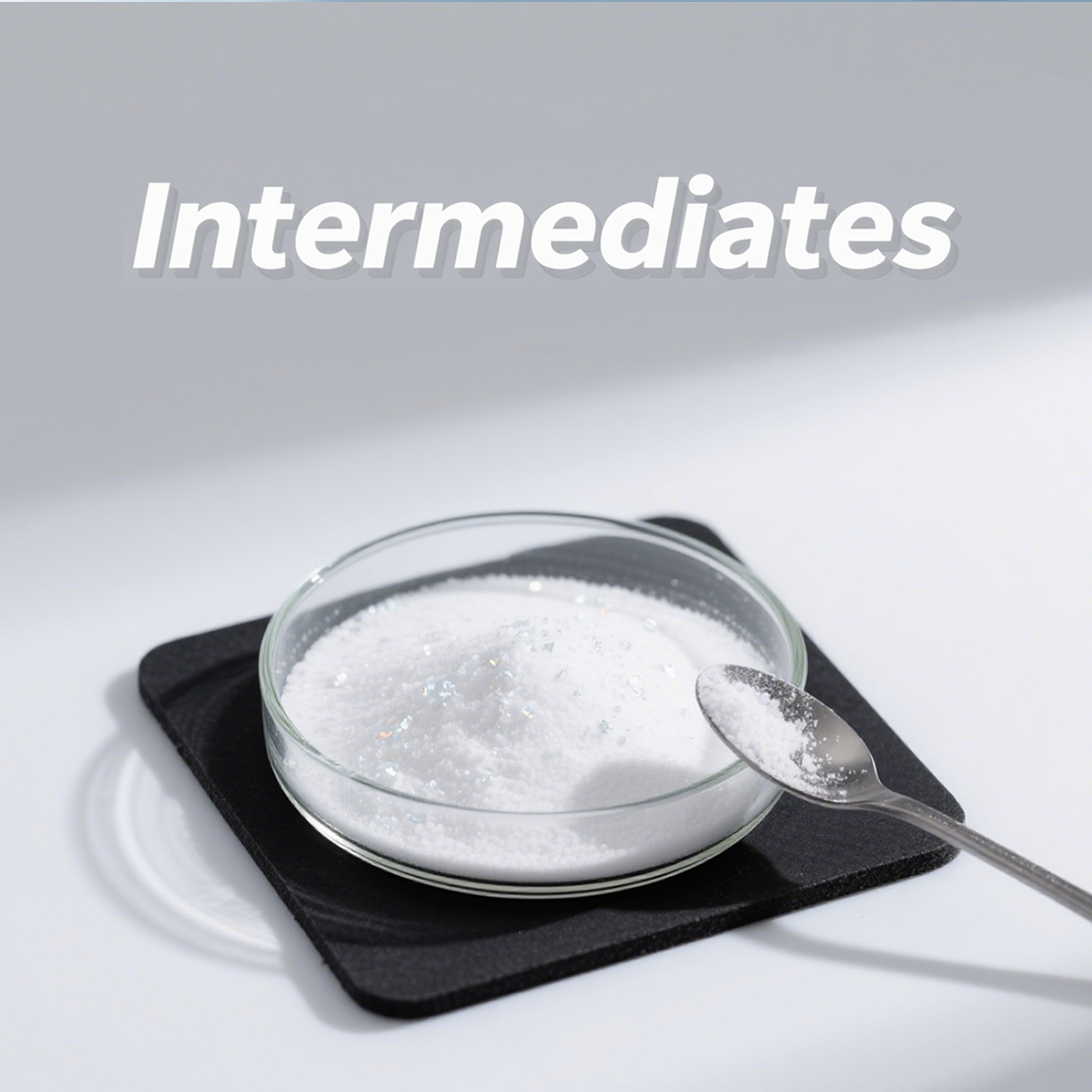
Custom synthesis projects are defined by their demand for specificity, reproducibility, and chemical control. Pharmaceutical intermediates make each of these requirements achievable by offering stable, well-characterized chemical platforms that chemists can build upon. Whether a project targets a novel drug candidate or a generic API, pharmaceutical intermediates determine how efficiently and reliably the synthesis pathway unfolds from start to finish.
The Structural Role of Pharmaceutical Intermediates
Building Complexity Step by Step
One of the primary reasons pharmaceutical intermediates are so valuable in custom synthesis is their role in managing molecular complexity. Drug molecules are rarely simple structures. They often contain multiple stereocenters, reactive functional groups, and fragile molecular architectures that cannot be assembled in a single synthetic step. Pharmaceutical intermediates allow chemists to introduce complexity incrementally, validating each stage before advancing to the next. This staged approach reduces the risk of full-batch failures and gives development teams measurable checkpoints throughout the synthesis workflow.
Each pharmaceutical intermediate in the synthetic route represents a confirmed chemical state. This means that impurities, stereochemical errors, or yield problems can be detected and corrected at an intermediate stage rather than discovered only after the entire synthesis has been completed. For contract research organizations and in-house development teams alike, pharmaceutical intermediates therefore function as both chemical building blocks and quality control anchors embedded within the production process.
Enabling Modular Synthesis Design
Pharmaceutical intermediates also support modular synthesis design, which is an increasingly popular strategy in custom synthesis environments. In this approach, chemists construct discrete molecular modules from pharmaceutical intermediates and then assemble these modules into the final API. This modularity allows teams to optimize individual segments of the synthesis independently, improving yield, selectivity, and purity at each node. It also means that pharmaceutical intermediates can be reused or repurposed across multiple synthesis projects, reducing development costs significantly when the compound library is well-managed.
Pharmaceutical Intermediates and Regulatory Compliance
Documentation and Traceability Requirements
In custom synthesis for pharmaceutical applications, regulatory compliance is not optional. Agencies such as the FDA and EMA require detailed documentation of every step in the synthesis of a drug substance, and pharmaceutical intermediates are a central part of that documentation. Each pharmaceutical intermediate must be characterized, tested for purity and identity, and recorded as part of the overall Drug Master File or equivalent regulatory submission. Failure to properly document pharmaceutical intermediates can result in regulatory delays, rejection of submissions, or even clinical hold orders that halt development programs.
Pharmaceutical intermediates produced under Good Manufacturing Practice conditions come with analytical certificates, batch records, and stability data that satisfy regulatory expectations. When a custom synthesis project relies on well-documented pharmaceutical intermediates, the entire regulatory dossier becomes more coherent and defensible. This traceability is especially important for projects that intend to scale from laboratory to commercial production, where continuity of intermediate specification is a baseline requirement.
Controlling Impurity Profiles
The impurity profile of the final API is directly influenced by the purity of every pharmaceutical intermediate used in its synthesis. Residual impurities from an early-stage pharmaceutical intermediate can carry through subsequent reactions, accumulating or transforming into structurally related impurities that are difficult to remove at a later purification stage. Rigorous control of pharmaceutical intermediates from the earliest steps in the synthesis therefore has a compounding effect on the quality of the final drug substance. Custom synthesis projects that invest in high-purity pharmaceutical intermediates consistently achieve cleaner impurity profiles and require fewer costly remediation cycles.
Commercial and Strategic Value in Custom Projects
Accelerating Development Timelines
Speed is a decisive competitive factor in pharmaceutical development. Custom synthesis projects that have reliable access to well-characterized pharmaceutical intermediates can compress their development timelines considerably. Rather than synthesizing every precursor from scratch, project teams can source validated pharmaceutical intermediates from specialized suppliers and focus their internal resources on the most novel or scientifically challenging steps of the synthesis. This division of labor is a common efficiency strategy among both large pharmaceutical companies and emerging biotechnology firms.
The availability of pharmaceutical intermediates with proven synthetic routes also reduces the experimental burden at the early discovery stage. When a chemist can begin a synthesis from a reliable pharmaceutical intermediate rather than from a commodity chemical, multiple steps of optimization work are effectively bypassed. Pharmaceutical intermediates that are commercially available and well-documented therefore accelerate first-in-human timelines by compressing the preclinical chemistry workload.
Supporting Scale-Up and Manufacturability
Custom synthesis projects eventually need to transition from milligram-scale laboratory work to kilogram-scale or larger production. Pharmaceutical intermediates that have been developed with manufacturability in mind are far easier to scale than those optimized purely for small-scale laboratory convenience. Factors such as solvent choice, reaction temperature, isolation method, and storage stability all influence whether a pharmaceutical intermediate can be produced cost-effectively at scale. Suppliers with experience in producing pharmaceutical intermediates at multiple scales can provide valuable input during process development, helping project teams identify and resolve scalability challenges before they become costly production problems.
FAQ
What makes pharmaceutical intermediates different from starting materials?
Pharmaceutical intermediates are compounds produced during the synthesis of an API that have already undergone one or more chemical transformations beyond the raw starting materials. They carry defined structural complexity and are subject to stricter quality controls than starting materials, making them more directly relevant to the final drug substance specification.
How do pharmaceutical intermediates affect the cost of a custom synthesis project?
Pharmaceutical intermediates affect project cost in several ways. Sourcing pre-made pharmaceutical intermediates from reliable suppliers can reduce internal labor and equipment costs. High-purity pharmaceutical intermediates also lower the risk of downstream purification problems, which are often the most expensive part of a custom synthesis campaign.
Can pharmaceutical intermediates be reused across different drug development projects?
Yes, pharmaceutical intermediates with versatile chemical scaffolds can often be applied across multiple drug development projects, particularly when they represent privileged structures common to a therapeutic area. Maintaining a well-organized library of pharmaceutical intermediates allows synthesis teams to accelerate new projects by leveraging previously validated chemistry.