Chemical Intermediates: Essential Building Blocks for Advanced Manufacturing and Industrial Applications

All Categories

Get a Free Quote

Our representative will contact you soon.
Email
Name
Company Name
Message
0/1000

chemical intermediates

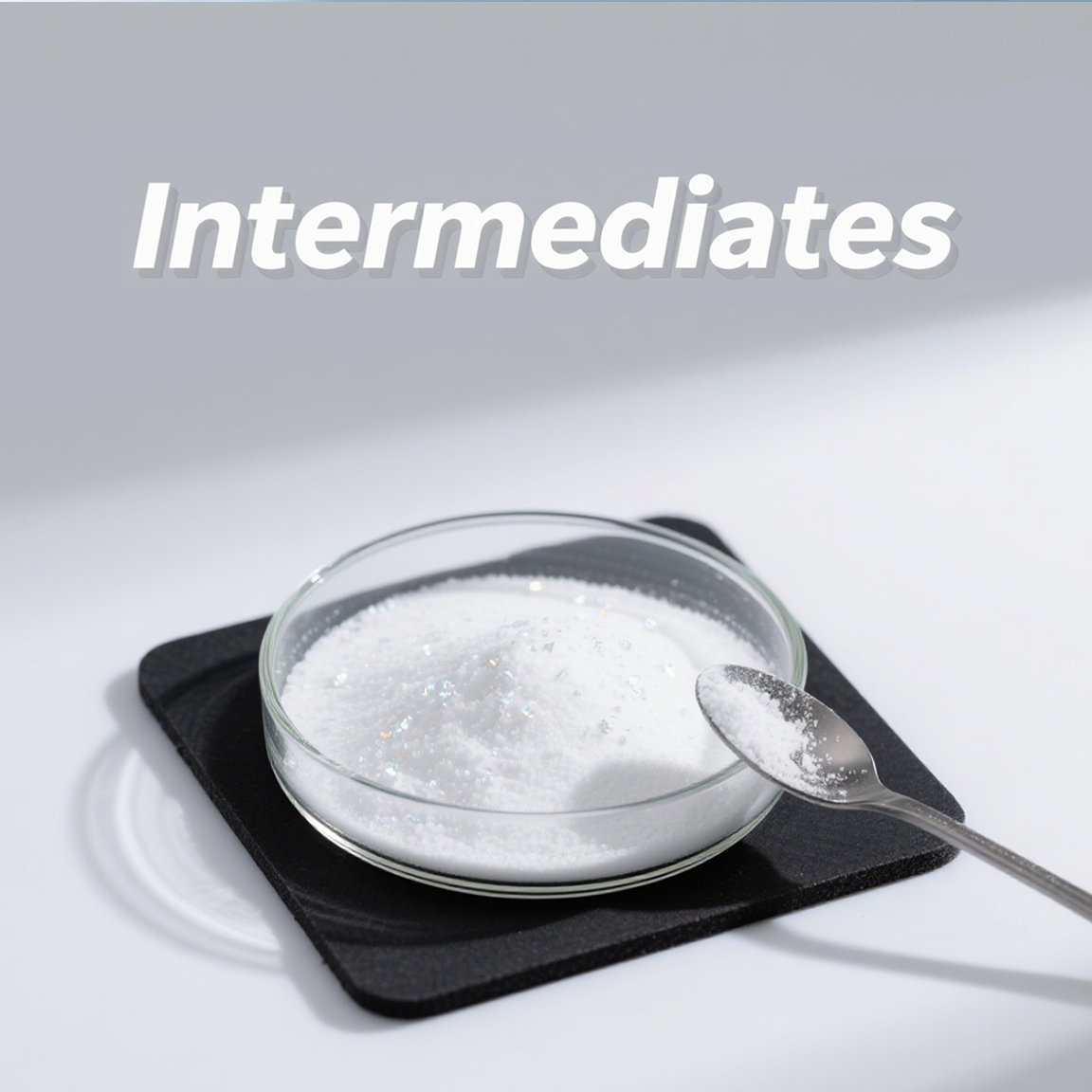
Chemical intermediates represent essential building blocks in modern manufacturing processes, serving as crucial compounds that bridge raw materials and final products across diverse industrial sectors. These specialized chemicals undergo transformation during production cycles, enabling manufacturers to create complex molecules and formulations that would be impossible to achieve through direct synthesis. Chemical intermediates play a vital role in pharmaceuticals, agrochemicals, dyes, pigments, specialty chemicals, and numerous other applications where precision and reliability are paramount. The technological sophistication of chemical intermediates lies in their carefully engineered molecular structures, which provide specific reactivity patterns and functional properties. Advanced manufacturing techniques ensure consistent quality, purity levels, and performance characteristics that meet stringent industry standards. These compounds often feature unique chemical bonds, functional groups, and stereochemical configurations that facilitate targeted reactions and minimize unwanted side products. Modern production facilities utilize state-of-the-art synthesis methods, including catalytic processes, green chemistry principles, and continuous flow technologies to optimize efficiency and environmental sustainability. Chemical intermediates demonstrate exceptional versatility in their applications, ranging from active pharmaceutical ingredients in life-saving medications to key components in high-performance materials and specialized coatings. The pharmaceutical industry relies heavily on these compounds for synthesizing complex drug molecules, while the agricultural sector uses them to develop effective crop protection solutions. In the electronics industry, chemical intermediates contribute to the production of semiconductors, display technologies, and advanced polymers. The automotive and aerospace sectors utilize these materials for creating lightweight composites, corrosion-resistant coatings, and high-temperature lubricants. Quality control measures ensure that chemical intermediates meet precise specifications for molecular weight, purity, stability, and performance parameters, making them indispensable for industries requiring consistent, reliable chemical building blocks for their manufacturing processes.

Popular Products

Chemical intermediates offer remarkable cost-effectiveness by streamlining complex manufacturing processes and reducing overall production expenses. Companies achieve significant savings through optimized synthesis routes that minimize raw material consumption, energy requirements, and waste generation. These compounds eliminate the need for multiple processing steps, reducing labor costs and equipment utilization while accelerating time-to-market for finished products. The standardized nature of chemical intermediates allows manufacturers to maintain consistent inventory levels and negotiate favorable bulk purchasing agreements with suppliers. Quality assurance becomes more manageable when using established chemical intermediates, as their proven track records and documented performance characteristics reduce the risk of production failures and costly recalls. Manufacturing flexibility represents another substantial advantage, enabling companies to adapt quickly to changing market demands without major infrastructure modifications. Chemical intermediates provide excellent scalability options, allowing businesses to increase or decrease production volumes based on market conditions while maintaining product quality and cost efficiency. The reliability factor cannot be overstated, as these compounds undergo rigorous testing and validation processes that ensure predictable performance in downstream applications. Supply chain stability improves dramatically when incorporating chemical intermediates, as established suppliers maintain consistent availability and quality standards throughout various market cycles. Regulatory compliance becomes more straightforward since many chemical intermediates already possess necessary approvals and documentation for specific applications and geographic regions. Innovation acceleration occurs when development teams can focus on final product optimization rather than spending resources on basic chemical synthesis challenges. Environmental benefits emerge through reduced waste streams, lower energy consumption, and more efficient resource utilization compared to alternative manufacturing approaches. Chemical intermediates often feature enhanced shelf stability and storage characteristics, reducing inventory management complications and minimizing product degradation risks. Technical support services from specialized suppliers provide valuable expertise and troubleshooting assistance, helping customers optimize their processes and resolve any formulation challenges. The proven performance history of established chemical intermediates reduces research and development timelines, allowing companies to bring new products to market faster while maintaining confidence in their manufacturing processes and final product quality.

Tips And Tricks

What Factors Should Companies Consider in Selecting Veterinary API?

28

Oct

What Factors Should Companies Consider in Selecting Veterinary API?

Understanding the Critical Role of Pharmaceutical APIs in Veterinary Medicine The veterinary pharmaceutical industry has witnessed remarkable growth in recent years, with increasing focus on the quality and efficacy of animal medications. At the hear...
View More
How Can Cardiovascular Drugs Reduce Heart Disease Risk?

31

Oct

How Can Cardiovascular Drugs Reduce Heart Disease Risk?

Understanding the Impact of Modern Heart Medications The battle against heart disease continues to evolve with breakthrough developments in cardiovascular drugs. These powerful medications have transformed the landscape of cardiac care, offering hope...
View More
Why Is Supply Chain Stability Critical for Levamisole Hydrochloride Buyers?

27

Nov

Why Is Supply Chain Stability Critical for Levamisole Hydrochloride Buyers?

In today's interconnected pharmaceutical landscape, supply chain stability has emerged as a fundamental concern for buyers of specialized compounds like Levamisole Hydrochloride. This anthelmintic agent, widely used in both veterinary and human medic...
View More
How Do Emerging Markets Influence Pharmaceutical Raw Material Supply Chains?

27

Nov

How Do Emerging Markets Influence Pharmaceutical Raw Material Supply Chains?

The global pharmaceutical industry has witnessed unprecedented transformation as emerging markets reshape the landscape of raw material sourcing and supply chain dynamics. These rapidly developing economies have become pivotal players in determining ...
View More

Get a Free Quote

Our representative will contact you soon.
Email
Name
Company Name
Message
0/1000

chemical intermediates

Superior Synthesis Efficiency and Process Optimization

Superior Synthesis Efficiency and Process Optimization

Chemical intermediates revolutionize manufacturing efficiency through their precisely engineered molecular architectures that enable streamlined synthesis pathways and reduced processing complexity. These compounds eliminate numerous intermediate steps traditionally required in chemical manufacturing, allowing companies to achieve higher yields with lower resource consumption. The advanced design of chemical intermediates incorporates specific functional groups and reactive sites that facilitate targeted chemical transformations while minimizing unwanted side reactions and by-product formation. This selective reactivity translates directly into improved atom economy, where a higher percentage of starting materials becomes incorporated into the final product rather than being wasted as unusable compounds. Manufacturing facilities benefit from reduced equipment requirements since fewer purification steps and separation processes are necessary when utilizing these optimized chemical intermediates. The consistent molecular structure and purity levels of these compounds enable predictable reaction kinetics and reproducible outcomes, allowing process engineers to fine-tune operating conditions for maximum efficiency. Energy consumption decreases significantly because chemical intermediates often require milder reaction conditions, lower temperatures, and reduced processing times compared to conventional synthesis routes. This thermal efficiency not only reduces operating costs but also minimizes environmental impact through decreased carbon emissions and energy-related waste. Quality control processes become more straightforward and reliable when using chemical intermediates, as their standardized properties and well-characterized behavior patterns reduce variability in final product specifications. Batch-to-batch consistency improves dramatically, leading to enhanced product reliability and customer satisfaction. The optimized synthesis pathways enabled by chemical intermediates also contribute to improved safety profiles in manufacturing facilities, as fewer hazardous reagents and extreme processing conditions are typically required. Process automation becomes more feasible when utilizing chemical intermediates due to their predictable behavior and standardized handling requirements, leading to reduced labor costs and improved operational consistency. Innovation cycles accelerate as research teams can focus their efforts on developing new applications and formulations rather than solving fundamental synthesis challenges.
Exceptional Quality Control and Performance Reliability

Exceptional Quality Control and Performance Reliability

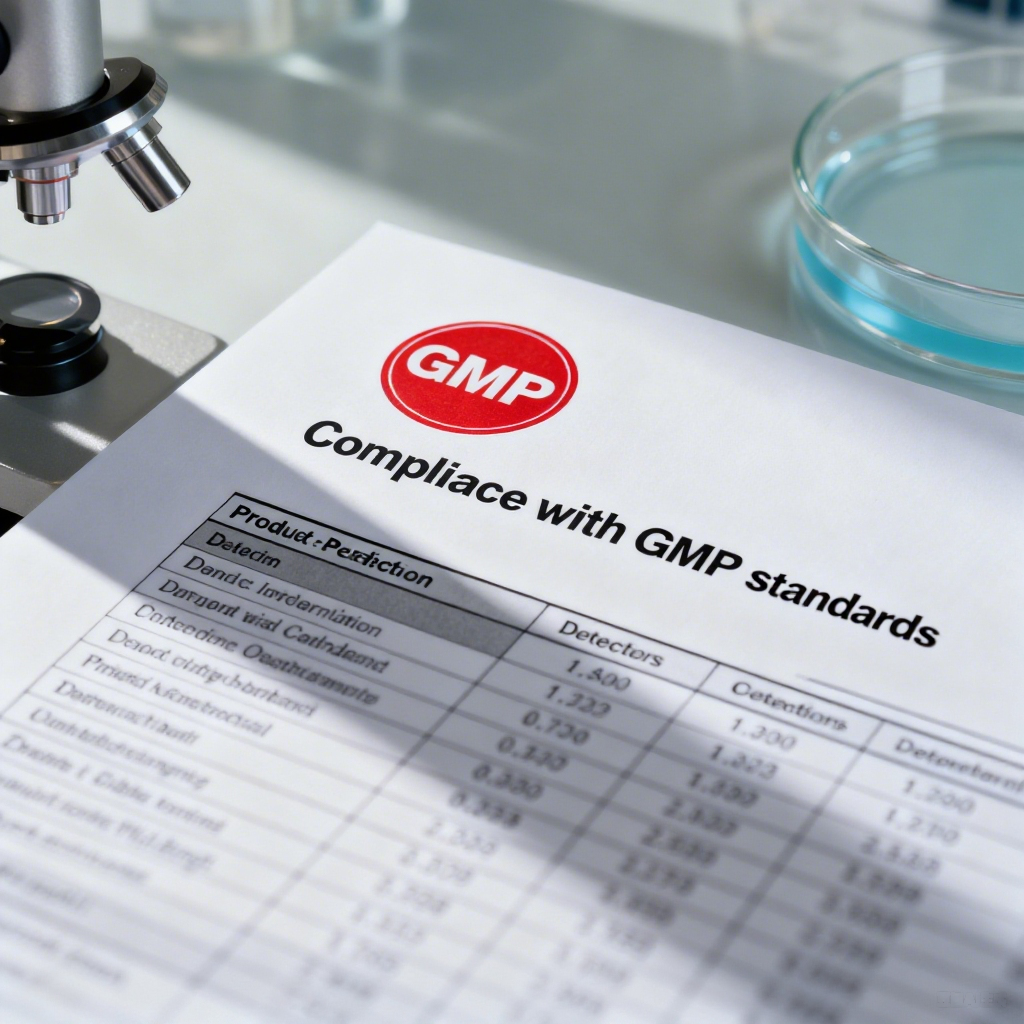
Chemical intermediates demonstrate unparalleled quality consistency through rigorous manufacturing protocols and comprehensive testing procedures that ensure every batch meets exacting specifications for purity, molecular structure, and performance characteristics. Advanced analytical techniques including nuclear magnetic resonance spectroscopy, mass spectrometry, and high-performance liquid chromatography verify the precise molecular composition and confirm the absence of impurities that could compromise downstream applications. This analytical rigor provides customers with detailed certificates of analysis that document critical parameters such as assay values, residual solvents, heavy metals content, and microbiological specifications. The manufacturing facilities producing chemical intermediates implement sophisticated quality management systems that comply with international standards including ISO certification requirements and Good Manufacturing Practice guidelines. Statistical process control methods monitor critical quality attributes throughout production, enabling immediate corrective actions when parameters deviate from established ranges. Stability testing programs evaluate chemical intermediates under various storage conditions and time periods, providing customers with reliable shelf-life data and optimal storage recommendations. These comprehensive stability studies examine factors such as temperature sensitivity, humidity effects, light exposure, and container compatibility to ensure product integrity throughout the supply chain. Trace impurity profiles receive particular attention since even minute contaminants can significantly impact final product performance in sensitive applications such as pharmaceuticals and electronics manufacturing. Specialized purification techniques including crystallization, distillation, and chromatographic separation remove unwanted compounds to achieve pharmaceutical-grade purity levels when required. Quality documentation systems maintain complete traceability from raw material sourcing through final product delivery, enabling rapid investigation and resolution of any quality concerns. Validation studies demonstrate that chemical intermediates perform consistently across different processing conditions and equipment configurations, providing customers with confidence in their manufacturing processes. Regular audits by independent third-party organizations verify compliance with quality standards and regulatory requirements, ensuring continued excellence in product quality and customer satisfaction. The investment in quality infrastructure and testing capabilities translates into reduced customer complaints, minimized production disruptions, and enhanced reputation for reliability in critical applications.
Versatile Applications and Market Adaptability

Versatile Applications and Market Adaptability

Chemical intermediates exhibit remarkable versatility across multiple industries and applications, providing manufacturers with flexible building blocks that can be adapted to diverse product formulations and emerging market opportunities. The pharmaceutical sector extensively utilizes these compounds for synthesizing active pharmaceutical ingredients, where their precise molecular structures enable the creation of complex drug molecules with specific therapeutic properties and bioavailability characteristics. Agrochemical applications leverage chemical intermediates to develop innovative crop protection products, fertilizers, and plant growth regulators that enhance agricultural productivity while meeting evolving environmental regulations. The specialty chemicals industry relies on these versatile compounds to formulate advanced materials including high-performance polymers, specialized coatings, adhesives, and sealants that serve critical functions in automotive, aerospace, and construction applications. Electronic manufacturing processes incorporate chemical intermediates in the production of semiconductors, printed circuit boards, and display technologies where ultra-pure materials and precise molecular properties are essential for optimal performance. Textile and dyestuff industries utilize these compounds to create vibrant colorants, finishing agents, and functional treatments that impart desirable properties such as water resistance, flame retardancy, and antimicrobial activity to fabrics and materials. Personal care and cosmetics formulations benefit from chemical intermediates that provide specific functional properties including UV protection, moisturization, anti-aging effects, and sensory enhancement characteristics. The food and beverage industry employs certain chemical intermediates as processing aids, flavor precursors, and functional ingredients that improve product stability, nutritional value, and consumer appeal. Environmental applications include water treatment chemicals, air purification compounds, and remediation agents that address pollution concerns and support sustainability initiatives. Research and development activities across all these sectors benefit from the availability of diverse chemical intermediates that enable rapid prototyping and testing of new formulations without requiring extensive synthesis infrastructure. Market responsiveness improves significantly when manufacturers can quickly reformulate products using different chemical intermediates to meet changing regulatory requirements, customer preferences, or competitive pressures. The global availability of standardized chemical intermediates facilitates international business expansion and technology transfer between different regions and markets, supporting economic growth and innovation dissemination.

Get a Free Quote

Our representative will contact you soon.
Email
Name
Company Name
Message
0/1000