
 EN
EN

The pharmaceutical manufacturing landscape demands continuous optimization to remain competitive. Medical empty capsules have emerged as a critical component in this pursuit, fundamentally transforming how manufacturers approach drug encapsulation and production workflows. By integrating medical empty capsules into their operations, pharmaceutical companies unlock measurable gains in speed, consistency, and cost management. Understanding how medical empty capsules drive efficiency improvements is essential for manufacturing leaders seeking to enhance productivity without compromising quality or regulatory compliance.

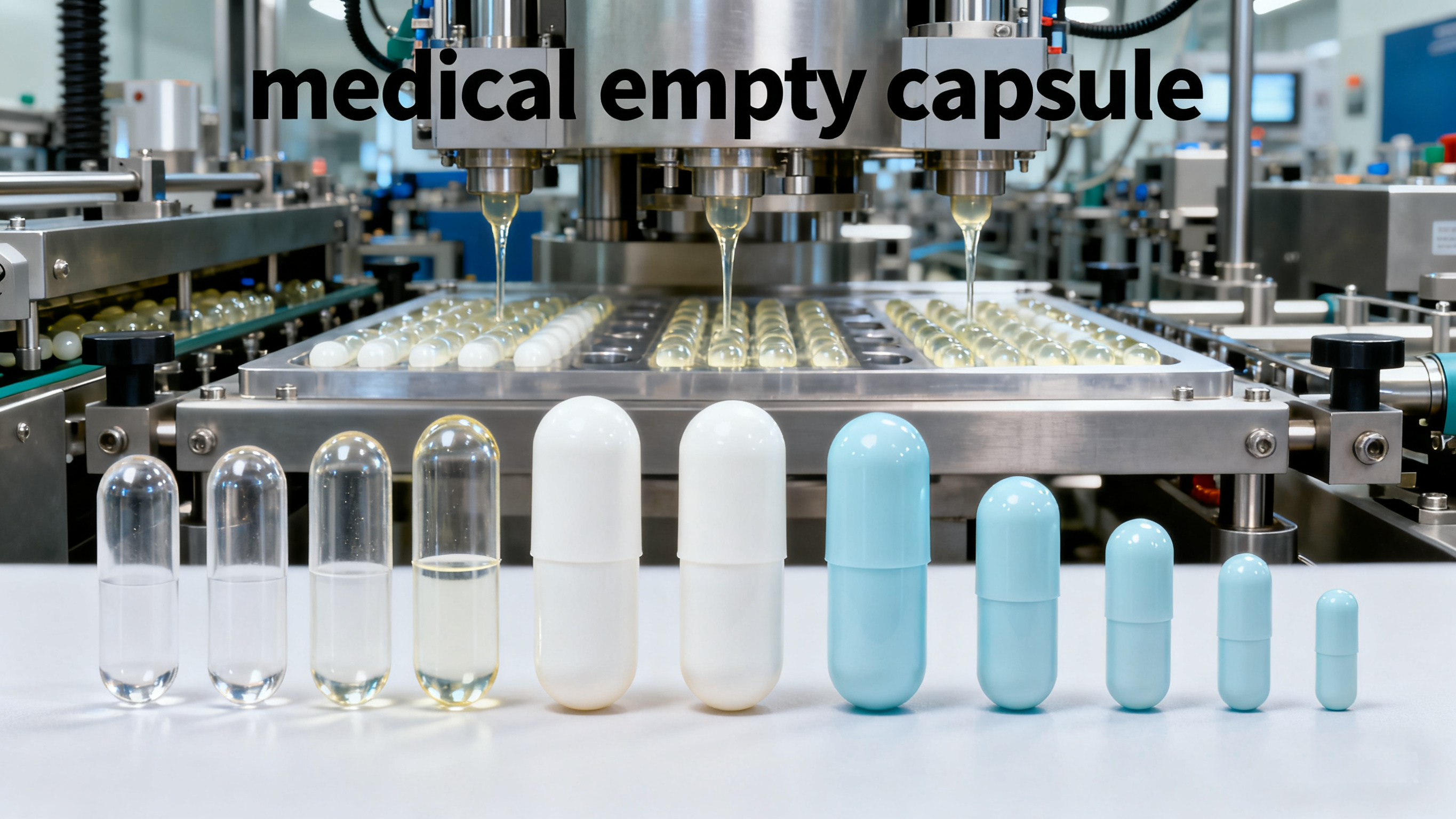
Medical empty capsules serve as precision vessels engineered to meet stringent pharmaceutical standards. Unlike generic capsules, medical empty capsules are manufactured under controlled conditions that ensure uniformity in size, thickness, and dissolution properties. This precision eliminates variability in the encapsulation process, reducing rework and material waste. When manufacturers rely on high-quality medical empty capsules, they establish a reliable foundation for all downstream manufacturing processes, enabling faster throughput and more predictable batch outcomes.
Streamlined Production Workflows with Medical Empty Capsules
Reducing Encapsulation Time and Labor Requirements
Medical empty capsules designed for automated systems dramatically reduce the time required per unit of production. Modern encapsulation equipment is optimized to work with standardized medical empty capsule dimensions and properties, allowing for higher speeds without mechanical failures or jamming. By using consistent medical empty capsule specifications, manufacturers can operate their machines at peak efficiency, minimizing downtime caused by equipment adjustments or capsule compatibility issues. This efficiency translates directly to higher output volumes, enabling manufacturers to meet growing demand without proportional increases in labor costs or facility expansion.
Minimizing Material Waste and Rework
Substandard capsules are a hidden cost driver in pharmaceutical manufacturing. When medical empty capsules fail to meet specification during filling, the entire batch may require reprocessing or disposal. Premium medical empty capsule suppliers maintain tighter tolerances and quality controls, ensuring that capsule defects occur rarely. This consistency means fewer rejected batches, lower material waste, and reduced need for rework cycles. Each batch that passes through without rework saves both time and raw material costs, directly improving the bottom line while maintaining regulatory compliance.
Quality Assurance and Regulatory Compliance Through Medical Empty Capsules
Ensuring Consistent Drug Delivery and Bioavailability
The quality of medical empty capsules directly affects how the active pharmaceutical ingredient is delivered to patients. Medical empty capsules with uniform dissolution properties ensure that every dose releases its active components at the intended rate, maintaining consistent bioavailability across all manufactured units. This uniformity reduces the risk of batch rejection during stability testing or clinical evaluation. When manufacturers select high-grade medical empty capsules, they reduce variability in drug release profiles, which streamlines both manufacturing validation and regulatory submissions. Regulatory agencies expect consistent performance, and using reliable medical empty capsules demonstrates control over this critical process parameter.
Meeting International Manufacturing Standards
Pharmaceutical manufacturing operates within strict global frameworks, including USP, EP, and BP standards. Medical empty capsules that comply with these standards are manufactured under conditions that ensure identity, purity, and functionality. By sourcing medical empty capsules from certified suppliers, manufacturers automatically inherit compliance documentation and traceability records. This approach eliminates the need for redundant in-house testing of basic capsule properties, freeing quality assurance resources to focus on formulation-specific validations. Additionally, using pharmacopeial-grade medical empty capsules simplifies audits and inspections, as regulatory bodies recognize these materials as inherently compliant when properly documented.
Cost Optimization Through Strategic Medical Empty Capsule Selection
Reducing Capital Equipment Needs and Maintenance
Premium medical empty capsules are engineered to minimize wear on encapsulation machinery. When capsules are uniform and free from defects, filling equipment experiences less mechanical stress and requires fewer maintenance interventions. This reduced wear extends equipment lifespan and lowers the frequency of repair cycles and component replacements. Over several years of operation, the maintenance cost savings from using high-quality medical empty capsules can justify the slightly higher per-unit material cost. Manufacturers that recognize this long-term value perspective find that investing in superior medical empty capsules reduces total cost of ownership across the entire production system.
Optimizing Supply Chain and Inventory Management
Dependable supply of consistent medical empty capsules enables manufacturers to optimize inventory levels. When capsule quality is predictable, production planners can operate with lower safety stock, reducing working capital tied up in raw materials. Furthermore, reliable medical empty capsule suppliers with established quality systems provide shorter lead times and fewer supply disruptions. This supply chain reliability allows manufacturers to operate just-in-time inventory models, improving cash flow and reducing storage costs. Predictable supply also enables better demand forecasting and production scheduling, further improving operational efficiency across the facility.
FAQ
How do medical empty capsules impact batch consistency in pharmaceutical manufacturing?
Medical empty capsules with tight specifications ensure uniform fill weights, dissolution rates, and product performance across every batch. When capsule size and thickness vary, filling equipment must make frequent adjustments, leading to inconsistent fill weights and variable drug content per unit. Premium medical empty capsules eliminate this variability, resulting in batches where every unit meets specification, reducing batch failure rates and improving manufacturing predictability. This consistency is critical for regulatory compliance and patient safety, as it ensures every dose contains the correct amount of active ingredient.
Can pharmaceutical manufacturers reduce production costs by using lower-cost medical empty capsules?
While lower-cost medical empty capsules may reduce material expenses initially, they often increase total manufacturing costs through higher rejection rates, increased rework, and equipment maintenance. Substandard capsules cause filling equipment to jam or misalign, leading to production downtime and batch failures. Additionally, poor-quality medical empty capsules may have inconsistent dissolution properties, potentially causing batches to fail dissolution testing and requiring reprocessing. The hidden costs of rework, downtime, and material waste typically exceed the initial savings from cheaper capsules, making premium medical empty capsules the more economical choice over the product lifecycle.
What role do medical empty capsules play in meeting regulatory requirements for pharmaceutical manufacturing?
Medical empty capsules sourced from certified suppliers come with documentation proving compliance with pharmacopeial standards, simplifying regulatory submissions and facility audits. Regulatory agencies expect manufacturers to demonstrate control over all critical process parameters, including capsule specifications. By using medical empty capsules from qualified suppliers, manufacturers provide evidence of this control through established certificates of analysis and traceability records. Additionally, the consistency provided by premium medical empty capsules ensures that formulation validation studies produce reliable results, supporting successful regulatory approvals and reducing the risk of compliance findings during inspections.