
 EN
EN
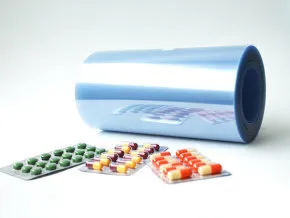
The safety of pharmaceutical products depends critically on the materials used to contain and protect them throughout storage and transport. Medical PVC film has become an industry standard for pharmaceutical packaging because it provides multiple layers of protection that safeguard drug integrity and patient safety. Understanding how medical PVC film ensures safety requires examining its chemical properties, manufacturing standards, and practical applications within the pharmaceutical supply chain. Medical PVC film protects medicines from environmental degradation while meeting stringent regulatory requirements that govern drug storage and distribution.
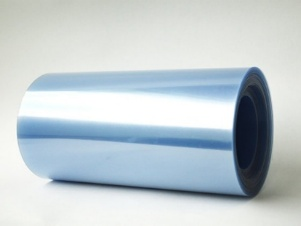
Pharmaceutical manufacturers rely on medical PVC film because it delivers proven performance across diverse drug formulations and storage conditions. The material's reliability stems from decades of research, refinement, and real-world validation in healthcare settings worldwide. Medical PVC film has earned trust through consistent performance in protecting oral medications, injectable preparations, and topical products from moisture, light, and oxygen exposure. When pharmaceutical companies select medical PVC film for their packaging solutions, they gain confidence that their products will reach patients in optimal condition.
Barrier Properties and Contamination Prevention
Moisture and Oxygen Protection
Medical PVC film creates an effective barrier against moisture penetration, which is essential because water exposure can degrade pharmaceutical active ingredients and compromise product potency. The film's molecular structure resists water vapor transmission at levels well below industry safety thresholds, ensuring that products remain stable throughout their shelf life. Medical PVC film also limits oxygen ingress, preventing oxidative degradation that can alter drug chemistry and reduce therapeutic effectiveness. This dual protection mechanism makes medical PVC film particularly valuable for sensitive formulations like vitamins, hormones, and specialty medications requiring extended stability.
Chemical Resistance and Compatibility
Medical PVC film demonstrates excellent compatibility with a wide range of pharmaceutical substances without leaching harmful compounds into medications. The material resists chemical attack from alcohols, oils, and other solvents commonly found in pharmaceutical formulations, preventing interaction-related degradation. Unlike some alternative packaging materials, medical PVC film maintains its protective properties even when exposed to aggressive chemical environments over extended storage periods. This chemical resistance ensures that medical PVC film can safely contain everything from aqueous solutions to lipophilic preparations without compromising product safety or efficacy.
Regulatory Compliance and Manufacturing Standards
Pharmaceutical Grade Standards
Medical PVC film manufactured for pharmaceutical use must meet rigorous specifications established by regulatory agencies including the United States Pharmacopeia and European Pharmacopoeia. These standards ensure that medical PVC film contains only approved additives and plasticizers that will not migrate into pharmaceutical products in harmful quantities. Manufacturers of medical PVC film must conduct extensive extractable studies, toxicity testing, and stability evaluations to demonstrate safety across intended use scenarios. When pharmaceutical companies source medical PVC film from compliant suppliers, they gain assurance that the material meets or exceeds all applicable regulatory requirements for direct drug contact.
Quality Control and Testing Protocols
Production of medical PVC film requires rigorous quality control procedures that verify physical properties, chemical composition, and safety parameters at every manufacturing stage. Each batch of medical PVC film undergoes tensile strength testing, thickness measurement, and barrier property validation to confirm consistency and performance reliability. Medical PVC film manufacturers implement traceability systems that document material origins, processing conditions, and testing results for complete supply chain accountability. This commitment to quality means that every roll of medical PVC film used in pharmaceutical packaging has been thoroughly validated for safety and performance specifications.
Practical Safety Applications in Drug Delivery
Blister Pack and Strip Configuration
Medical PVC film serves as the primary backing material in blister packs and strips, the most common pharmaceutical packaging format for tablets and capsules. The film's flexibility allows it to conform precisely to product contours while its strength maintains seal integrity throughout the product lifecycle. Medical PVC film backing in blister packs protects individual doses from environmental exposure while enabling patient convenience through unit-dose dispensing. The clarity of pharmaceutical-grade medical PVC film allows patients and healthcare providers to visually verify product integrity and identify correct medications without opening the package.
Injectable and Liquid Formulation Protection
For injectable drugs and liquid formulations, medical PVC film acts as a protective laminate layer in multi-layer flexible packaging systems that demand superior barrier performance. Medical PVC film in these applications prevents microbial contamination and environmental degradation while accommodating the specific handling requirements of sterile and sensitive preparations. The material's puncture resistance and flexibility make medical PVC film ideal for containing pre-filled syringes, vials, and flexible infusion containers where product safety directly impacts patient outcomes. Medical PVC film's compatibility with sterilization methods including gamma radiation and ethylene oxide ensures that safety properties remain intact after required terminal sterilization processes.
Environmental and Shelf-Life Considerations
Long-Term Stability Assurance
Pharmaceutical products packaged in medical PVC film maintain stability for their full labeled shelf life because the material consistently delivers barrier protection against all major degradation mechanisms. Medical PVC film's stability under varying temperature and humidity conditions ensures reliable protection whether products are stored in controlled pharmacy environments or transported through diverse climatic regions. Accelerated stability studies demonstrate that medical PVC film maintains its protective properties throughout extended storage, supporting pharmaceutical shelf-life claims and ensuring patient access to effective medications. The reliability of medical PVC film in real-world storage conditions has been validated through decades of clinical use and post-market surveillance data.
Regulatory Documentation and Traceability
Pharmaceutical manufacturers using medical PVC film maintain comprehensive documentation of material sourcing, specifications, and testing results to support regulatory submissions and ensure product quality. Medical PVC film suppliers provide detailed technical data packages that facilitate pharmaceutical company compliance with Good Manufacturing Practice requirements and regulatory expectations. This documentation demonstrates that medical PVC film has been appropriately controlled and monitored throughout manufacturing, storage, and distribution. Traceability of medical PVC film enables rapid response in case of any product safety concerns and allows manufacturers to confidently support their pharmaceutical products throughout market surveillance periods.
FAQ
What specific regulations must medical PVC film meet for pharmaceutical use?
Medical PVC film for pharmaceutical applications must comply with United States Pharmacopeial standards, European Pharmacopoeia requirements, and FDA regulations governing food contact substances and pharmaceutical packaging materials. Manufacturers must demonstrate that medical PVC film contains no prohibited substances and that any approved additives remain within safe migration limits as established by regulatory agencies. Medical PVC film must pass extractable testing, biocompatibility assessments, and stability studies that document safety for direct contact with pharmaceutical products across intended storage conditions and shelf-life periods.
How does medical PVC film prevent moisture infiltration in pharmaceutical packaging?
Medical PVC film achieves moisture barrier properties through its dense molecular structure that restricts water vapor transmission to levels well below pharmaceutical safety thresholds. The film's thickness, formulation, and manufacturing process are optimized to create consistent barrier performance that protects moisture-sensitive medications throughout their shelf life. Medical PVC film backing in blister packs works in combination with adhesive seals to create a multi-barrier system that effectively isolates pharmaceutical products from environmental humidity and moisture sources.
Can medical PVC film be used with all types of pharmaceutical formulations?
Medical PVC film demonstrates broad compatibility with most pharmaceutical formulations including aqueous solutions, organic compounds, and mixed preparations used in modern drug delivery systems. While medical PVC film works well for the majority of medications, certain specialized formulations may require alternative packaging materials based on specific chemical interactions or regulatory requirements. Pharmaceutical manufacturers conduct compatibility studies to verify that medical PVC film remains chemically inert with their specific drug formulations and maintains required safety and stability performance throughout product storage and distribution.