
 EN
EN
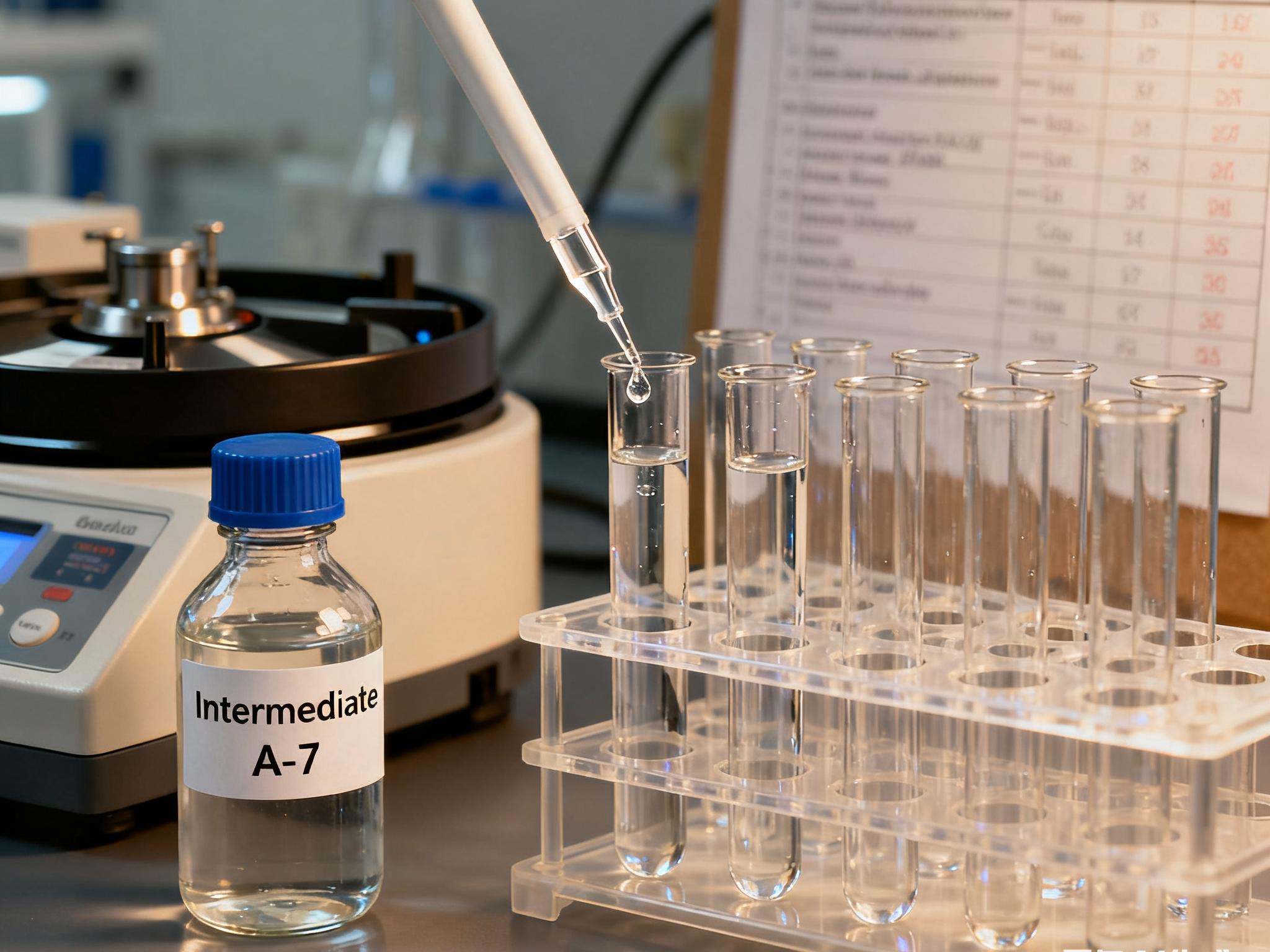
Pharmaceutical intermediates are essential chemical compounds that form the backbone of modern drug manufacturing. These substances serve as building blocks during the synthesis process, directly determining whether a final pharmaceutical product meets stringent quality standards. Understanding how pharmaceutical intermediates impact drug quality and consistency is critical for anyone involved in pharmaceutical development, manufacturing, or regulatory oversight. The purity, stability, and chemical composition of pharmaceutical intermediates directly influence the safety, efficacy, and shelf life of medications that reach patients worldwide.
The relationship between pharmaceutical intermediates and final drug quality extends far beyond simple chemistry. Each pharmaceutical intermediates compound must be synthesized, stored, and handled under controlled conditions to maintain its integrity throughout the manufacturing workflow. Quality deviations in pharmaceutical intermediates can cascade through production, resulting in finished drugs that fail dissolution tests, show reduced bioavailability, or exhibit unexpected degradation patterns. This article explores the multifaceted ways pharmaceutical intermediates impact both the measurable quality metrics and the real-world performance of pharmaceutical products.
How Pharmaceutical Intermediates Determine Chemical Purity and Composition
The Role of Impurity Control in Pharmaceutical Intermediates
Purity levels in pharmaceutical intermediates directly correlate with the final drug's safety profile. When pharmaceutical intermediates contain residual impurities, organic solvents, or byproducts from their synthesis, these contaminants can remain in the finished drug even after purification steps. Regulatory bodies such as the FDA and EMA establish strict limits on allowable impurities in pharmaceutical intermediates because any deviation compounds downstream. Manufacturers must use high-performance liquid chromatography (HPLC) and mass spectrometry to verify that pharmaceutical intermediates meet purity specifications before they enter the drug synthesis process.
Consistency Across Manufacturing Batches
Consistent pharmaceutical intermediates quality ensures batch-to-batch uniformity in drug manufacturing. When pharmaceutical intermediates suppliers maintain tight specification windows, production teams can rely on predictable reaction kinetics and yield rates. This consistency means that each batch of pharmaceutical intermediates behaves identically during the synthesis reaction, reducing variability in drug concentration, dissolution profile, and stability. Without reliable pharmaceutical intermediates quality, manufacturers face unpredictable results that force repeated testing, reprocessing, or batch rejections that increase costs and delay product availability.
Impact of Pharmaceutical Intermediates on Drug Efficacy and Bioavailability
Reaction Efficiency and Active Pharmaceutical Ingredient Formation
The chemical reactivity and purity of pharmaceutical intermediates directly affect the yield and quality of the active pharmaceutical ingredient (API). High-purity pharmaceutical intermediates react more efficiently and completely, producing APIs with minimal byproducts and impurities. When pharmaceutical intermediates contain unexpected contaminants or structural variants, they may react incompletely or form unintended side products that must be removed during purification. This inefficiency reduces the overall yield of usable API and introduces new purification steps that add time, cost, and additional stress on the final product formulation.
Bioavailability and Patient Therapeutic Outcomes
The purity and chemical structure of pharmaceutical intermediates indirectly influence how well patients absorb and utilize the medication. If pharmaceutical intermediates used in synthesis carry residual impurities that persist in the final formulation, they can interfere with drug absorption, reduce bioavailability, or alter the drug's pharmacokinetic profile. Trace metal contaminants, residual catalysts, or solvent residues in pharmaceutical intermediates may also trigger adverse reactions or reduce therapeutic efficacy. Quality-assured pharmaceutical intermediates ensure that the finished drug delivers consistent bioavailability across all patient populations and treatment cycles, supporting reliable clinical outcomes and reducing treatment variability.
Regulatory Compliance and Stability Requirements for Pharmaceutical Intermediates
Meeting Global Regulatory Standards for Pharmaceutical Intermediates
Regulatory agencies worldwide mandate that pharmaceutical intermediates meet Certificate of Analysis (CoA) requirements, including identity tests, purity assays, water content limits, and residual solvent limits. Pharmaceutical intermediates must comply with pharmacopeial standards from the United States Pharmacopeia (USP), European Pharmacopoeia (Ph. Eur.), or Chinese Pharmacopoeia (ChP). Non-compliant pharmaceutical intermediates can render an entire drug batch unsuitable for commercial release, triggering costly recalls or regulatory sanctions. Documentation and traceability of pharmaceutical intermediates supply chains have become increasingly stringent, requiring suppliers to maintain detailed manufacturing records and pass scheduled audits to verify ongoing compliance.
Stability and Long-Term Storage of Pharmaceutical Intermediates
Pharmaceutical intermediates stability during storage directly impacts their viability for use in subsequent synthesis steps. Environmental factors such as temperature fluctuations, humidity, light exposure, and atmospheric oxygen can degrade pharmaceutical intermediates over time, altering their chemical structure or introducing new impurities. Properly characterized pharmaceutical intermediates include stability data that specifies optimal storage conditions, shelf life, and re-testing intervals. Manufacturers must store pharmaceutical intermediates in controlled environments with precise temperature and humidity monitoring to prevent degradation that would compromise drug quality. Degraded or destabilized pharmaceutical intermediates introduce uncontrolled variables into drug manufacturing, making it impossible to predict or maintain consistent final product quality.
Supply Chain Management and Quality Assurance of Pharmaceutical Intermediates
Supplier Selection and Vendor Qualification for Pharmaceutical Intermediates
Selecting reliable suppliers of pharmaceutical intermediates is fundamental to maintaining product quality and regulatory compliance. Pharmaceutical manufacturers conduct rigorous audits of pharmaceutical intermediates suppliers to verify they operate under current Good Manufacturing Practice (cGMP) standards. Each potential supplier of pharmaceutical intermediates must demonstrate consistent analytical testing capabilities, proper documentation systems, and a history of quality performance. Ongoing vendor management includes periodic audits, Certificate of Analysis review, and investigation of any out-of-specification batches of pharmaceutical intermediates to identify root causes and implement corrective actions.
Documentation, Traceability, and Quality Assurance Protocols
Complete documentation of pharmaceutical intermediates from synthesis through delivery ensures full traceability and accountability in the drug manufacturing process. Each batch of pharmaceutical intermediates must include comprehensive testing records, including raw material certificates, analytical results, manufacturing dates, and storage history. This traceability allows manufacturers to quickly identify and isolate affected drug batches if a pharmaceutical intermediates quality issue is discovered. Advanced quality management systems track pharmaceutical intermediates specifications, monitor supplier performance metrics, and flag deviations immediately so corrective actions can prevent quality compromises. Without robust traceability of pharmaceutical intermediates, pharmaceutical companies cannot maintain the transparency required by regulatory agencies or rapidly respond to potential patient safety concerns.
FAQ
Why is pharmaceutical intermediates purity so critical for drug manufacturing?
Pharmaceutical intermediates purity directly determines the purity and safety of the final drug product. Impurities in pharmaceutical intermediates can accumulate, pass through to the API, and remain in the finished medicine even after purification steps. Low-purity pharmaceutical intermediates increase the risk of introducing genotoxic impurities, residual solvents, or heavy metals into medications, potentially causing patient harm. Regulatory agencies establish strict pharmaceutical intermediates purity limits to ensure that only safe, high-quality medications reach patients. Maintaining rigorous pharmaceutical intermediates purity standards is one of the most cost-effective ways to prevent downstream quality failures and expensive batch rejections.
How do pharmaceutical intermediates affect drug stability and shelf life?
The quality of pharmaceutical intermediates used during drug synthesis influences the chemical stability of the finished product. If pharmaceutical intermediates contain undetected impurities or structural defects, the resulting drug formulation may be more prone to degradation, oxidation, or breakdown during storage. High-quality pharmaceutical intermediates ensure that the API is pure and stable, reducing the likelihood of unexpected degradation reactions. Pharmaceutical intermediates that are properly stored and handled maintain their integrity, leading to drugs with longer shelf lives and more reliable potency throughout their commercial lifespan. Poor pharmaceutical intermediates management can result in drugs that lose efficacy prematurely or develop safety concerns before expiration dates.
What happens when pharmaceutical intermediates fail to meet quality specifications?
When pharmaceutical intermediates fail quality tests, entire batches of drug product may be deemed unsuitable for use or market release. Out-of-specification pharmaceutical intermediates require investigation to determine root causes, and manufacturers must implement corrective and preventive actions (CAPA) before continuing production. Failed batches of pharmaceutical intermediates can lead to extended production delays, additional testing costs, and potential regulatory scrutiny if the failure was not detected promptly. Documentation of pharmaceutical intermediates failures is part of permanent manufacturing records and may be reviewed during regulatory inspections. Systematic pharmaceutical intermediates quality failures can trigger formal enforcement actions, warning letters, or restrictions on a manufacturer's ability to produce certain drugs until quality systems are improved.
Table of Contents
- How Pharmaceutical Intermediates Determine Chemical Purity and Composition
- Impact of Pharmaceutical Intermediates on Drug Efficacy and Bioavailability
- Regulatory Compliance and Stability Requirements for Pharmaceutical Intermediates
- Supply Chain Management and Quality Assurance of Pharmaceutical Intermediates
- FAQ