
 EN
EN
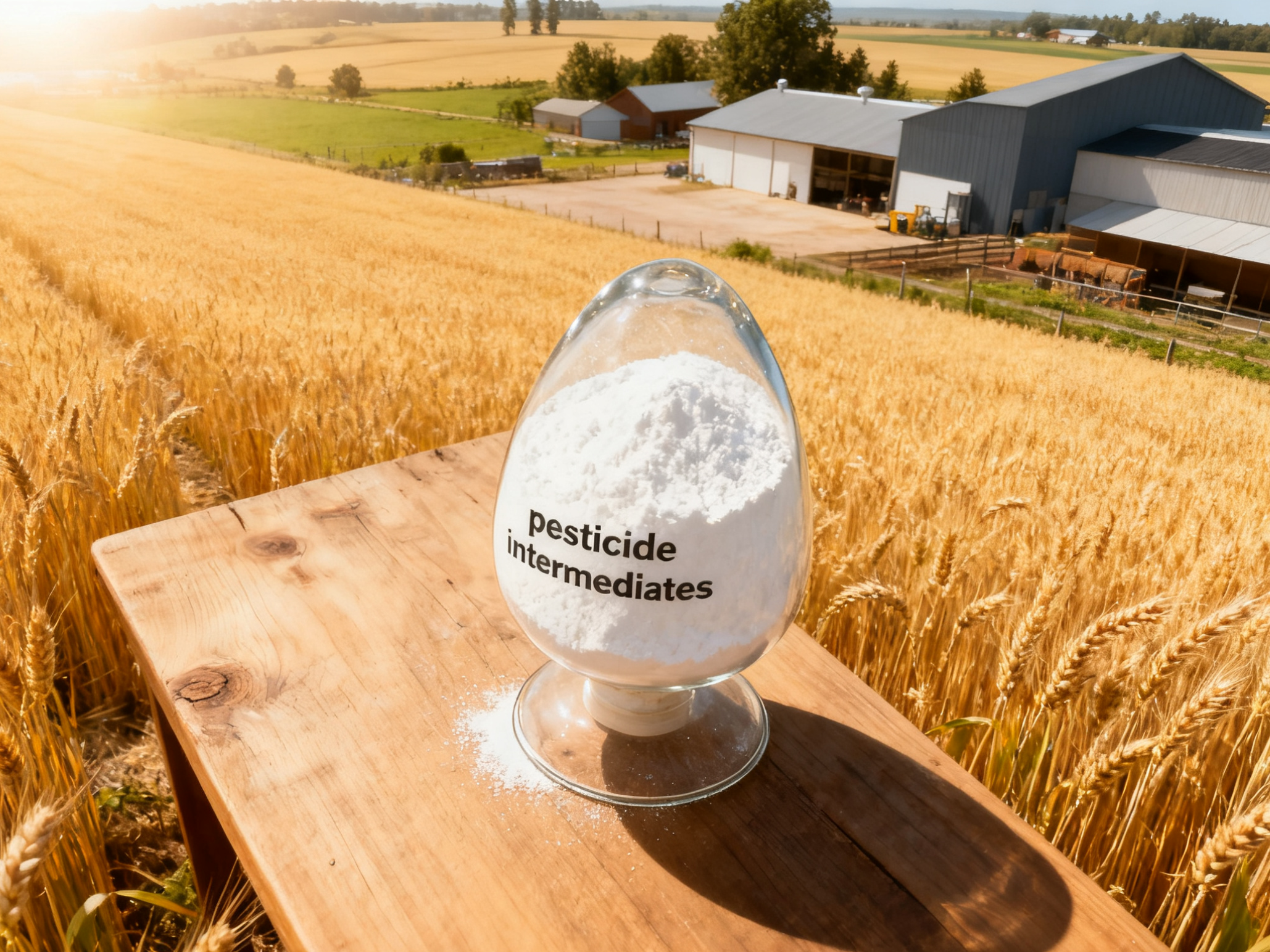
The global agrochemical sector is undergoing significant transformation, with pesticide intermediates emerging as a critical focal point for innovation and strategic investment. As farmers, manufacturers, and regulators navigate complex environmental concerns, changing commodity prices, and evolving consumer demands for sustainable food production, the role of pesticide intermediates in meeting these challenges has never been more relevant. Understanding the market trends shaping pesticide intermediates is essential for stakeholders across the supply chain, from chemical producers to agricultural equipment distributors.

Market dynamics surrounding pesticide intermediates reflect broader shifts toward efficiency, regulatory compliance, and sustainability. Manufacturing processes for pesticide intermediates increasingly emphasize precision chemistry and waste reduction, while demand for specialized formulations continues to rise. These trends indicate that companies investing in advanced pesticide intermediates production capabilities will gain competitive advantage in an industry facing mounting pressure to innovate responsibly.
Regulatory Evolution and Compliance Pressures
Stricter Environmental Standards for Pesticide Intermediates
Regulatory agencies worldwide have intensified scrutiny of pesticide intermediates, imposing stricter environmental and health safety standards. The European Union, United States EPA, and emerging markets have established comprehensive frameworks governing the synthesis, handling, and disposal of pesticide intermediates. These regulations mandate rigorous testing protocols, residue monitoring, and documentation for all pesticide intermediates used in commercial formulations. Manufacturers of pesticide intermediates must now invest heavily in analytical capabilities and compliance infrastructure to remain viable in regulated markets.
Impact on Production Cost and Supply Chain
Compliance with evolving standards for pesticide intermediates has reshaped supply chain economics. Production facilities manufacturing pesticide intermediates must undergo regular audits and certification processes, increasing operational expenses and capital requirements. Smaller manufacturers of pesticide intermediates face particular challenges, as regulatory complexity creates barriers to entry and consolidation pressures. Larger producers with dedicated quality systems for pesticide intermediates have strengthened their market position, while pesticide intermediates suppliers increasingly differentiate through superior compliance track records and transparency initiatives.
Sustainability and Green Chemistry Innovation
Demand for Low-Impact Pesticide Intermediates
Agricultural stakeholders are actively seeking pesticide intermediates that reduce environmental footprint without compromising efficacy. Green chemistry principles now guide the development of new pesticide intermediates, prioritizing renewable feedstocks, reduced hazardous waste, and biodegradable formulations. Investment in sustainable pesticide intermediates manufacturing has accelerated, with leading companies establishing research programs focused on alternative synthesis routes for pesticide intermediates. This trend reflects recognition that pesticide intermediates producers adopting circular economy practices will capture premium market segments and retain institutional buyers committed to sustainability targets.
Bio-Based and Alternative Chemistry Pathways
Bio-based pesticide intermediates derived from agricultural residues and renewable resources are gaining traction as viable alternatives to traditional petrochemical pesticide intermediates. Research initiatives exploring novel pesticide intermediates from plant-derived compounds represent a significant emerging trend. Companies developing proprietary pesticide intermediates from bio-sources position themselves for future market share growth, particularly as regulatory bodies incentivize sustainable pesticide intermediates through preferential approval timelines or market access mechanisms. These innovations in pesticide intermediates chemistry create competitive opportunities for forward-thinking manufacturers.
Market Consolidation and Geographic Expansion
Industry Consolidation Reshaping Pesticide Intermediates Supply
Horizontal and vertical integration continues to reshape the pesticide intermediates industry, with larger agrochemical corporations acquiring specialized pesticide intermediates suppliers to secure supply chains and control costs. This consolidation trend accelerates adoption of standardized quality protocols for pesticide intermediates, benefiting end-users through consistent product specifications. Mid-sized manufacturers of pesticide intermediates are increasingly divesting commodity-grade pesticide intermediates to focus on specialty or generic segments. Strategic alliances among pesticide intermediates producers are also emerging, particularly for joint ventures targeting specific regional markets or technical capabilities in pesticide intermediates manufacturing.
Geographic Shift Toward Emerging Markets
Production capacity for pesticide intermediates is gradually relocating toward Asia-Pacific, India, and Latin America, driven by cost competitiveness and proximity to end-user markets. Local manufacturers establishing pesticide intermediates production facilities in emerging agricultural regions benefit from favorable labor costs and government incentives for pesticide intermediates manufacturing infrastructure. This geographic diversification of pesticide intermediates supply is reducing dependency on traditional European and North American producers, creating new competitive dynamics. Companies with established relationships in emerging markets for pesticide intermediates are well-positioned to capture growth as agricultural output expands in these regions.
FAQ
What are pesticide intermediates and why are they important?
Pesticide intermediates are chemical compounds used as building blocks in the synthesis of active pharmaceutical and agricultural ingredients. Pesticide intermediates are crucial because their quality, purity, and manufacturing process directly determine the efficacy and safety of final pesticide formulations. The importance of pesticide intermediates lies in their role as the foundation for crop protection products that feed global populations.
How are market trends affecting pesticide intermediates pricing?
Market trends such as regulatory compliance costs, sustainability investments, and industry consolidation are upward pressures on pesticide intermediates pricing. Meanwhile, geographic competition from emerging market producers of pesticide intermediates creates downward pricing pressure in commodity segments. Overall, specialized and sustainable pesticide intermediates command price premiums, while generic pesticide intermediates face margin compression.
What should manufacturers prioritize when selecting pesticide intermediates suppliers?
Manufacturers should prioritize suppliers offering pesticide intermediates with documented regulatory compliance, consistent quality certifications, and transparent sustainability credentials. Supplier reliability for pesticide intermediates delivery, technical support for pesticide intermediates optimization, and willingness to innovate in pesticide intermediates formulation are equally important considerations for long-term partnership success.