
 EN
EN
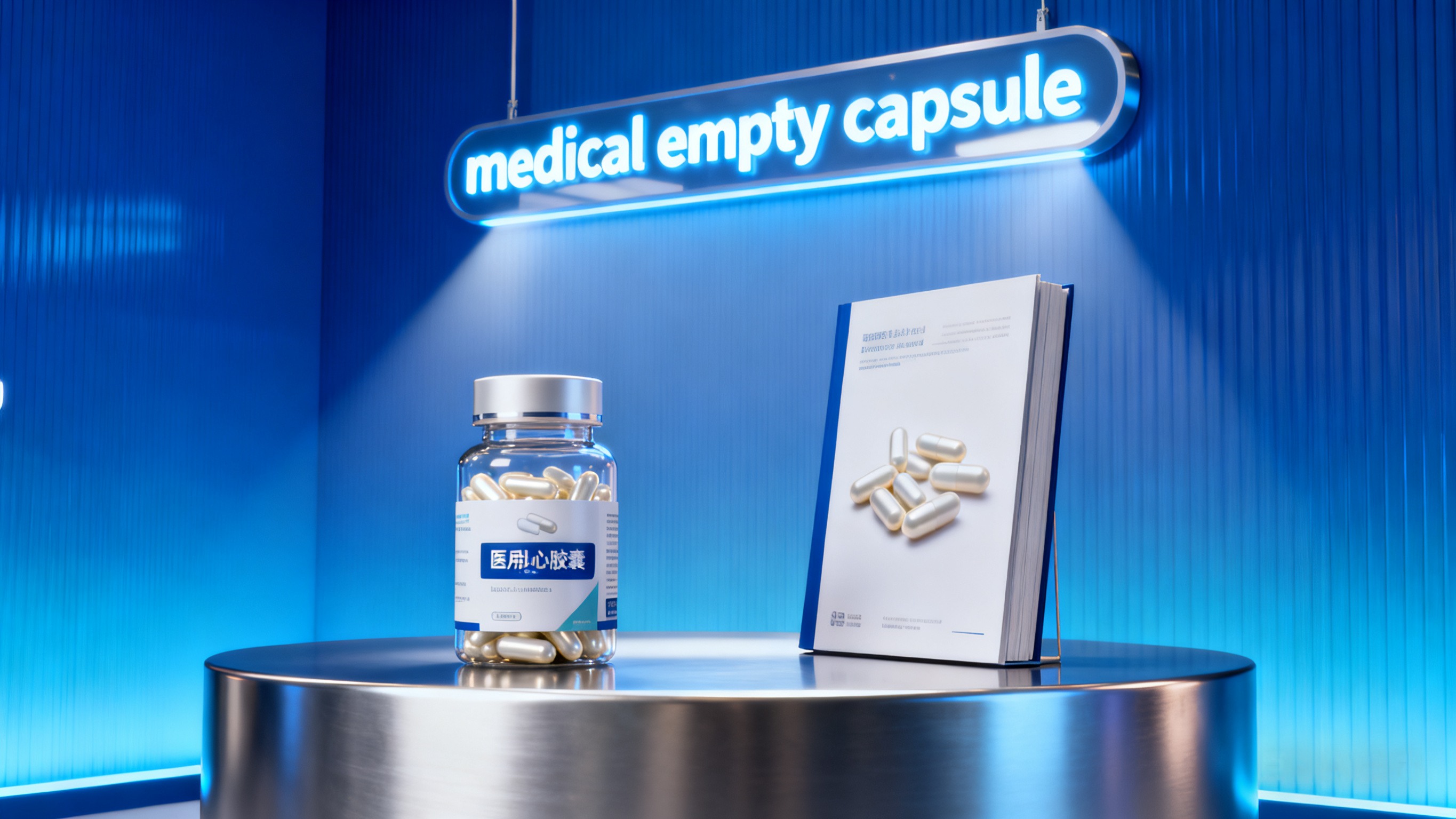
The integrity and reliability of a medical empty capsule are foundational to pharmaceutical manufacturing and drug delivery success. A medical empty capsule serves as the critical vessel for active pharmaceutical ingredients, and its stability directly determines product efficacy, shelf life, and patient safety. Understanding the factors that affect medical empty capsule stability is essential for manufacturers, formulators, and quality assurance professionals who must ensure consistent performance across production batches and storage conditions.
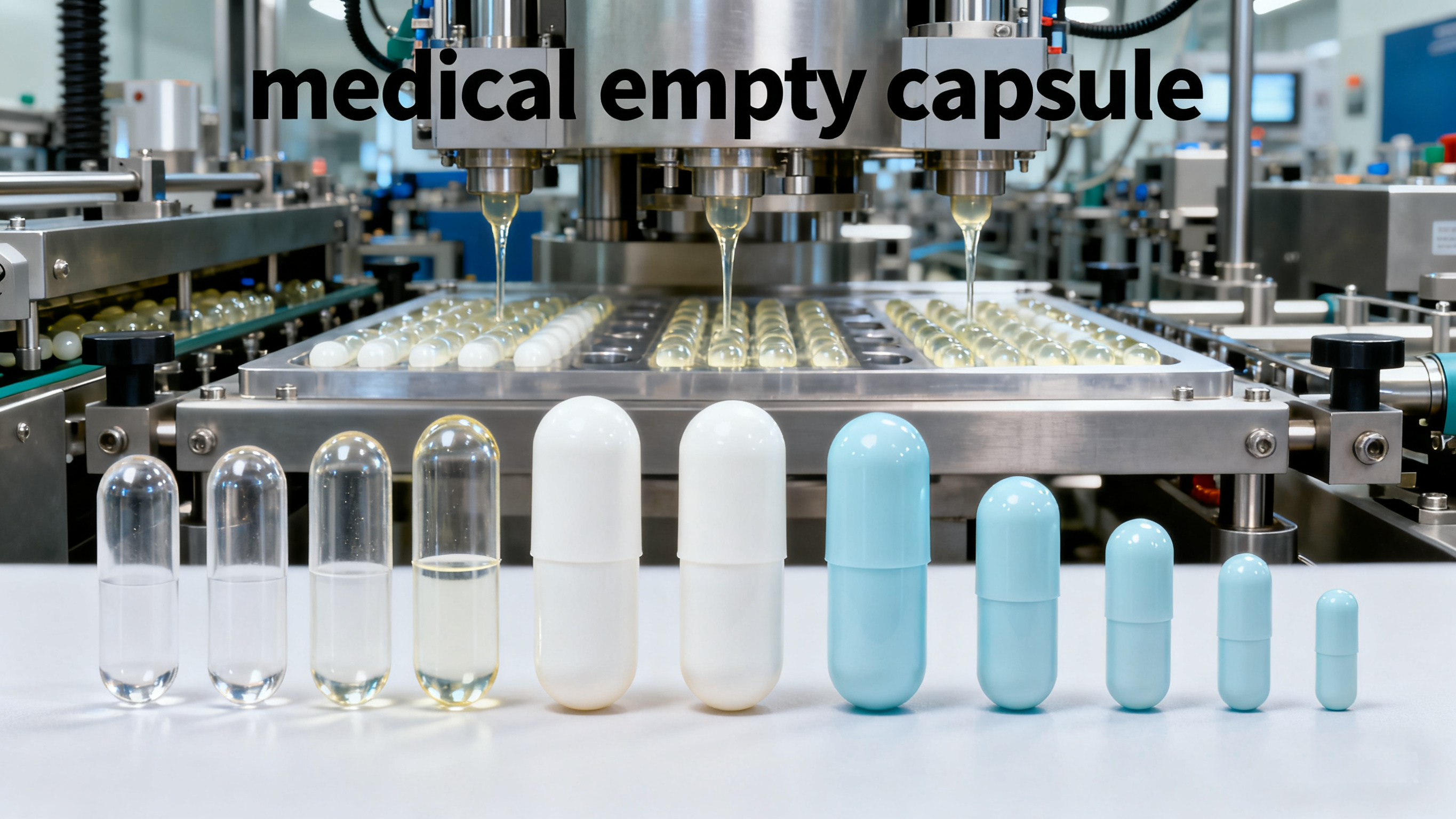
The stability of a medical empty capsule depends on multiple interconnected variables that operate across the product lifecycle, from manufacturing through distribution to patient use. These factors encompass environmental conditions, material composition, processing parameters, and storage practices. By recognizing and controlling these stability determinants, pharmaceutical companies can maximize the shelf life of their medical empty capsule inventory, reduce waste, and maintain regulatory compliance.
Environmental Conditions and Storage Impact
Humidity and Moisture Control
Moisture represents one of the most significant threats to medical empty capsule stability. Gelatin-based medical empty capsules are hygroscopic, meaning they absorb moisture from the surrounding air. When humidity levels rise, the gelatin matrix in a medical empty capsule becomes softer, loses rigidity, and may develop tackiness that compromises both handling and sealing performance. Conversely, excessive dryness can cause a medical empty capsule to become brittle and prone to cracking during filling operations. Optimal relative humidity for storing a medical empty capsule typically ranges between 35 and 65 percent, depending on the specific formulation.
Temperature Fluctuations
Temperature stability is equally critical for preserving medical empty capsule quality. Elevated temperatures accelerate degradation of the gelatin polymer and promote moisture migration into the capsule structure. A medical empty capsule exposed to temperatures above 25 degrees Celsius begins to show accelerated aging, including embrittlement, color changes, and reduced mechanical strength. Storage facilities must maintain consistent, cool conditions to prevent thermal cycling, which can cause expansion and contraction that weakens the integrity of a medical empty capsule. Climate-controlled warehouses with stable temperature profiles ensure that each medical empty capsule remains within safe stability parameters throughout its shelf life.
Material Composition and Manufacturing Quality
Gelatin Source and Purity
The raw material quality directly influences how stable a medical empty capsule will be under various conditions. Gelatin sourced from bovine or porcine origins must meet stringent pharmacopeial standards to ensure consistent cross-linking and polymer integrity. A medical empty capsule manufactured from high-purity gelatin exhibits superior stability compared to capsules containing gelatin with residual impurities or incomplete hydrolysis. Manufacturing facilities that implement rigorous quality control during gelatin processing produce medical empty capsules with homogeneous wall thickness and uniform moisture distribution, both of which enhance stability.
Plasticizer and Additive Balance
Plasticizers such as sorbitol and glycerin are incorporated into medical empty capsule formulations to optimize flexibility and prevent brittleness. The concentration of these plasticizers directly affects the stability profile of a medical empty capsule. Insufficient plasticizer content leads to a rigid, fragile capsule that may split during handling, while excess plasticizer compromises the mechanical strength and creates a tacky surface prone to adhesion. Colorants and preservatives added to a medical empty capsule must also be carefully balanced to avoid unintended chemical interactions that could degrade the gelatin matrix or reduce shelf stability. Precision in additive formulation is a hallmark of stable medical empty capsule products.
Packaging, Handling, and Shelf-Life Considerations
Protective Packaging Design
The protective environment created by packaging directly determines how well a medical empty capsule maintains its stability from manufacturing through end-use. Blister packs, bottles with desiccant inserts, and moisture-barrier films all serve to isolate the medical empty capsule from ambient humidity and temperature extremes. Secondary packaging that includes desiccant packets actively removes residual moisture and extends the effective shelf life of a medical empty capsule. Conversely, inadequate packaging allows environmental moisture and oxygen to penetrate, accelerating oxidation and hydrolysis reactions that compromise medical empty capsule performance. The choice of packaging material must be validated to ensure that the medical empty capsule remains stable for the full declared shelf life.
Handling Practices and Distribution Networks
Mechanical stress and environmental exposure during logistics significantly impact medical empty capsule stability. Dropping, crushing, and excessive vibration can cause micro-fractures in the gelatin matrix of a medical empty capsule, creating weak points that propagate under moisture absorption or temperature stress. Distribution partners must follow proper handling protocols to prevent physical damage to medical empty capsule containers. Additionally, transportation through temperature-controlled vehicles rather than uninsulated trucks reduces thermal cycling stress on each medical empty capsule. Pharmaceutical companies that establish clear logistics guidelines and audit their supply chain partners ensure that medical empty capsule stability is preserved throughout the entire distribution network.
FAQ
What is the ideal relative humidity range for storing a medical empty capsule?
The ideal relative humidity range for a medical empty capsule is typically between 35 and 65 percent. Within this range, the medical empty capsule maintains optimal elasticity and mechanical strength without absorbing excess moisture or becoming overly brittle. Storage facilities should use humidity monitors and climate control systems to maintain consistency, as fluctuations outside this range will accelerate degradation of the medical empty capsule.
How does temperature affect the shelf life of a medical empty capsule?
Temperature directly accelerates the aging and degradation processes in a medical empty capsule. Storage at elevated temperatures above 25 degrees Celsius increases the rate of gelatin polymer breakdown and moisture migration, reducing the effective shelf life of the medical empty capsule. Many manufacturers recommend storing a medical empty capsule at temperatures between 15 and 25 degrees Celsius to maximize stability and extend usable shelf life by months or years compared to room temperature storage.
Can the stability of a medical empty capsule be predicted through stability testing?
Yes, pharmaceutical manufacturers use accelerated stability testing protocols to predict how long a medical empty capsule will remain stable under real-world conditions. By exposing the medical empty capsule to elevated temperature and humidity for defined periods, chemists can model degradation kinetics and project shelf life with statistical confidence. This data supports regulatory submissions and helps establish appropriate expiration dates and storage conditions for the medical empty capsule product.