
 EN
EN
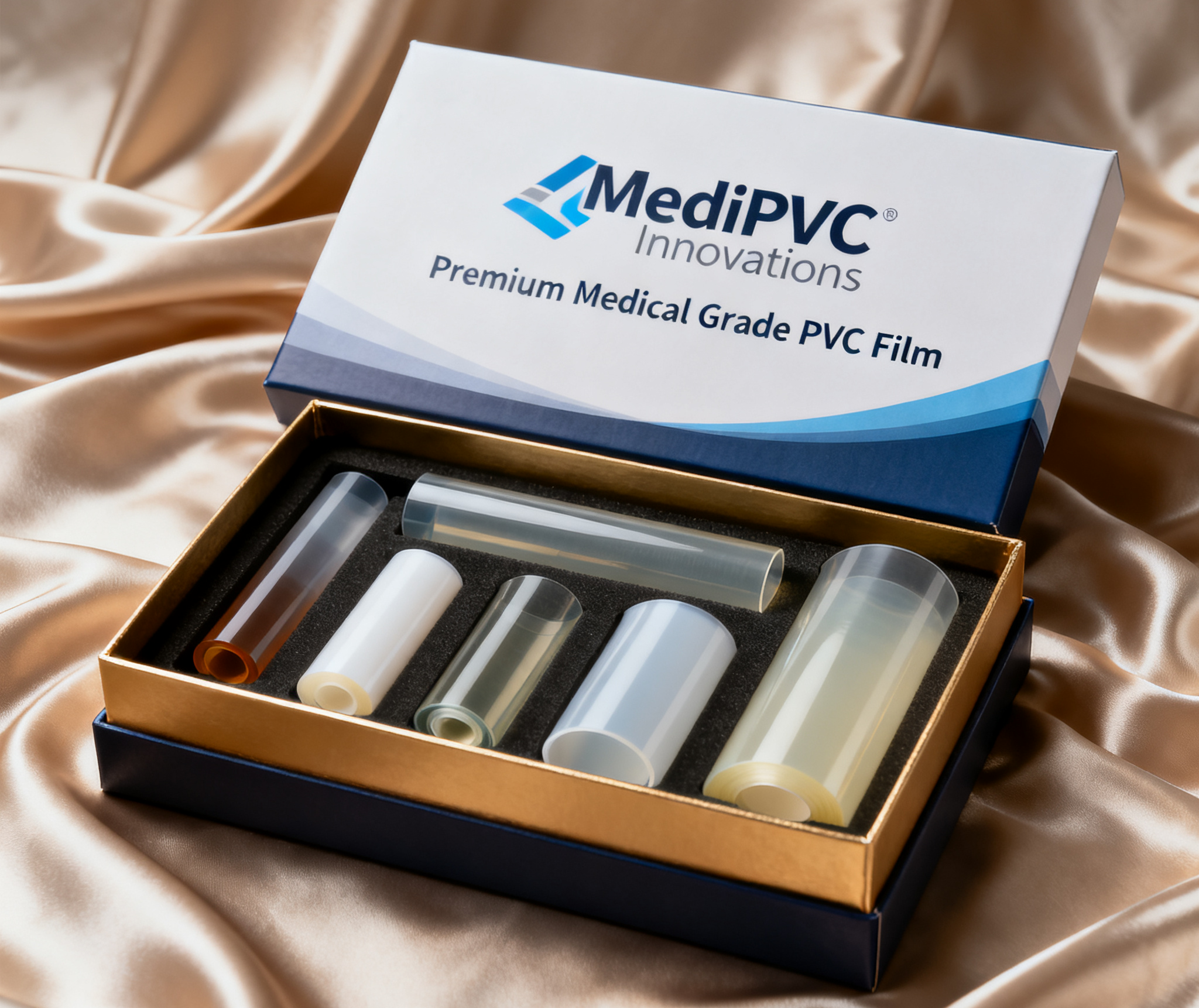
Pharmaceutical products face constant threats from environmental degradation, moisture exposure, and light penetration during storage and distribution. Medical PVC film has emerged as a critical packaging solution that directly addresses these challenges by creating protective barriers that significantly extend product shelf life. Understanding how medical PVC film functions as a protective medium is essential for pharmaceutical manufacturers seeking to maintain product integrity, comply with regulatory standards, and reduce waste throughout the supply chain.
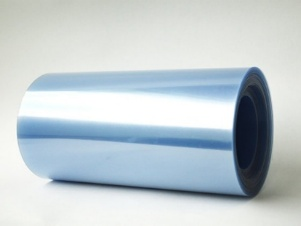
The pharmaceutical industry relies heavily on medical PVC film to safeguard sensitive formulations during their entire lifecycle, from manufacturing to the patient's hands. Medical PVC film provides multi-layer protection mechanisms that work synergistically to prevent degradation, maintain potency, and preserve therapeutic efficacy. This comprehensive protection translates directly into extended shelf life, reduced product recalls, and improved cost efficiency across manufacturing operations.
Barrier Properties and Moisture Protection
Understanding Moisture Vapor Transmission in Medical PVC Film
Medical PVC film functions as an effective moisture barrier through its molecular structure, which restricts water vapor transmission into pharmaceutical packaging. The polymer chains in medical PVC film create a dense network that minimizes pathways for moisture penetration, thereby protecting hygroscopic drugs and powdered formulations from unwanted hydration. When pharmaceutical products absorb excess moisture, active pharmaceutical ingredients degrade rapidly, reducing efficacy and requiring premature product removal from shelves.
The water vapor transmission rate (WVTR) of medical PVC film is carefully controlled during manufacturing to meet pharmaceutical specifications. Medical PVC film with optimized WVTR maintains stable moisture levels inside packaging, creating an environment where drug potency remains consistent throughout the designated shelf life. This barrier capability is particularly crucial for tablets, capsules, and powder medications that are sensitive to humidity fluctuations during storage and transport.
Oxygen Barrier Effectiveness in Pharmaceutical Applications
Beyond moisture protection, medical PVC film also provides oxygen barrier properties that prevent oxidative degradation of pharmaceutical actives. Many medications deteriorate when exposed to atmospheric oxygen, leading to discoloration, precipitation, or loss of therapeutic activity. Medical PVC film reduces oxygen ingress to minimal levels, maintaining an anaerobic or low-oxygen environment inside the package that preserves drug stability over extended periods.
The oxygen transmission rate (OTR) of medical PVC film is specifically engineered to balance protection with cost efficiency. Higher-grade medical PVC film formulations achieve lower OTR values, making them ideal for oxygen-sensitive products like vitamins, injectable solutions, and specialized biologics. This targeted oxygen barrier function directly extends shelf life by preventing the chemical reactions that compromise drug quality.
Light Protection and Photostability
UV and Visible Light Blocking Mechanisms
Pharmaceutical products frequently require protection from ultraviolet and visible light exposure, which triggers photodegradation of sensitive compounds. Medical PVC film can be formulated with light-blocking additives and pigments that absorb and scatter incoming radiation, preventing photons from reaching the product inside. This light-blocking capability of medical PVC film is particularly important for medications stored on retail shelves where fluorescent and natural lighting create continuous photodegradation risk.
When medical PVC film incorporates UV-absorbing compounds, it creates an opaque barrier that shields formulations from harmful wavelengths while maintaining the transparency needed for product identification. Medical PVC film's ability to block specific light wavelengths extends shelf life significantly for light-sensitive actives such as nitrates, corticosteroids, and certain antibiotics. The protective effect of medical PVC film against light degradation translates directly into longer product viability and reduced regulatory compliance challenges.
Color Stability and Product Appearance
Light protection provided by medical PVC film also preserves the color stability and visual appearance of pharmaceutical products, which is critical for consumer confidence and regulatory acceptance. When medical PVC film blocks light exposure, pills, liquids, and other formulations maintain their original color throughout storage, meeting United States Pharmacopeia (USP) and European Pharmacopoeia standards. The consistency in product appearance protected by medical PVC film supports brand recognition and reduces consumer concerns about product quality.
Chemical Stability and Shelf Life Extension Mechanisms
Interaction Minimization Between Product and Environment
Medical PVC film serves as a complete interface that isolates pharmaceutical products from environmental contaminants, gases, and reactive substances. This isolation function of medical PVC film prevents unwanted chemical reactions that would otherwise reduce active ingredient concentration and therapeutic effectiveness. By maintaining a stable chemical environment inside packaging, medical PVC film directly extends the period during which products maintain their labeled potency.
The inert nature of pharmaceutical-grade medical PVC film ensures minimal interaction between the packaging material and drug formulations, protecting against leachables and extractables that could compromise safety profiles. Medical PVC film undergoes rigorous testing to confirm compatibility with common pharmaceutical ingredients, ensuring that packaging protection extends shelf life without introducing new stability concerns. This chemical compatibility is verified through accelerated stability testing and real-time aging studies that validate medical PVC film performance.
Temperature Stability and Storage Conditions
Medical PVC film maintains its barrier properties across the temperature ranges specified for pharmaceutical storage, from ambient conditions to refrigerated environments. The material structure of medical PVC film resists softening, cracking, or degradation across approved storage temperatures, ensuring consistent protection throughout the entire shelf life period. Temperature stability of medical PVC film is critical for products requiring storage between 2 and 8 degrees Celsius or room temperature conditions.
When medical PVC film is subjected to real-world storage conditions including temperature fluctuations and humidity variations, its barrier integrity remains intact, protecting pharmaceutical formulations from accelerated degradation. The thermal stability of medical PVC film ensures that even in challenging storage environments or during extended transport, products maintain their designated shelf life validity. This reliability makes medical PVC film the preferred choice for pharmaceutical manufacturers managing complex global supply chains.
Regulatory Compliance and Quality Assurance
Pharmaceutical Grade Standards and Certification
Medical PVC film utilized in pharmaceutical packaging must meet stringent regulatory requirements established by health authorities worldwide, including the Food and Drug Administration (FDA) and European Medicines Agency (EMA). Pharmaceutical-grade medical PVC film undergoes comprehensive testing for chemical composition, barrier properties, and biocompatibility to ensure compliance with pharmacopeial standards. Medical PVC film manufacturers maintain detailed documentation of raw material sourcing, processing conditions, and quality control protocols that support regulatory submissions.
The certification processes for medical PVC film include validation of shelf life claims, accelerated aging studies, and stability testing protocols that demonstrate the extended protection offered. Medical PVC film products marketed for pharmaceutical applications carry certification marks confirming compliance with USP Chapter 661 on containers and glass containers, and equivalent European standards. This regulatory validation of medical PVC film provides pharmaceutical manufacturers with documented evidence that packaging choices support compliance obligations and support shelf life claims.
Testing and Validation Protocols
Pharmaceutical manufacturers must validate that medical PVC film meets their specific packaging requirements through comprehensive testing protocols before market approval. Medical PVC film undergoes moisture vapor transmission rate testing, oxygen transmission rate testing, and extractables testing to verify barrier performance and safety. Long-term stability studies conducted with actual pharmaceutical products packaged in medical PVC film establish the scientific foundation for shelf life extension claims.
The validation of medical PVC film involves accelerated aging studies conducted at elevated temperatures and humidity levels that simulate extended storage periods. These rigorous protocols confirm that medical PVC film barrier properties remain effective throughout the claimed shelf life period, supporting regulatory filings and consumer confidence. medical pvc film products that pass these comprehensive testing protocols provide manufacturers with reliable, auditable documentation of shelf life protection capabilities.
FAQ
How does medical PVC film compare to alternative packaging materials in extending pharmaceutical shelf life?
Medical PVC film provides cost-effective barrier protection that competes favorably with alternative materials such as aluminum foil, blister pack liners, and specialized BOPP films. While medical PVC film may not achieve the absolute lowest oxygen transmission rates of aluminum-based systems, its combination of barrier effectiveness, transparency, flexibility, and manufacturing efficiency makes it the preferred choice for many pharmaceutical products. Medical PVC film's performance-to-cost ratio and established regulatory acceptance position it as the industry standard for shelf life extension across diverse pharmaceutical applications.
What pharmaceutical product types benefit most from medical PVC film packaging protection?
Medical PVC film provides exceptional protection for tablets, capsules, powders, and semi-solid formulations that are sensitive to moisture and oxygen exposure. Products containing sensitive actives such as vitamins, corticosteroids, NSAIDs, and specialty pharmaceuticals particularly benefit from medical PVC film's comprehensive barrier properties. Medical PVC film also serves critical applications in packaging oral liquids, suspensions, and solutions where light protection and moisture barrier functions directly extend shelf life and maintain product stability.
Can medical PVC film packaging contribute to reducing pharmaceutical product waste and improving supply chain economics?
Medical PVC film directly reduces pharmaceutical waste by extending product shelf life, which minimizes expired inventory, disposal costs, and supply chain losses. Extended shelf life enabled by medical PVC film provides pharmaceutical manufacturers with improved inventory management, greater market flexibility, and reduced recall risk associated with quality degradation. Medical PVC film's cost-effective barrier protection translates into significant economic benefits across manufacturing, distribution, and retail operations throughout the pharmaceutical supply chain.
Table of Contents
- Barrier Properties and Moisture Protection
- Light Protection and Photostability
- Chemical Stability and Shelf Life Extension Mechanisms
- Regulatory Compliance and Quality Assurance
-
FAQ
- How does medical PVC film compare to alternative packaging materials in extending pharmaceutical shelf life?
- What pharmaceutical product types benefit most from medical PVC film packaging protection?
- Can medical PVC film packaging contribute to reducing pharmaceutical product waste and improving supply chain economics?