
 EN
EN
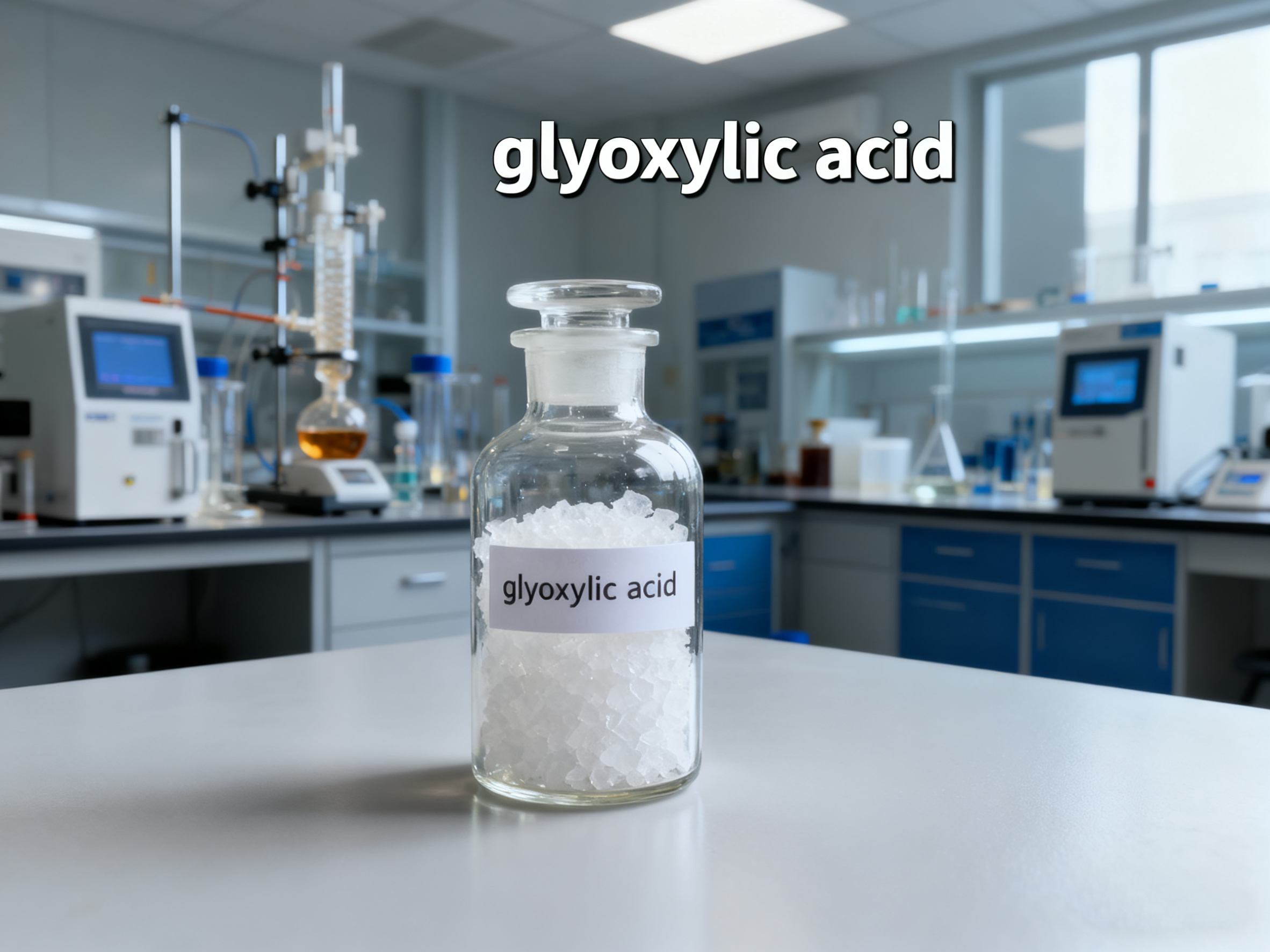
In the complex world of agrochemical synthesis, the choice of chemical intermediates can determine the efficiency, cost-effectiveness, and environmental profile of an entire production process. glyoxylic acid has steadily established itself as one of the most strategically important building blocks in this field, bridging the gap between simple raw materials and sophisticated active ingredient molecules. Its unique chemical reactivity, functional group versatility, and compatibility with green chemistry principles have made it a compound of genuine industrial relevance rather than a laboratory curiosity.
Understanding what makes glyoxylic acid so valuable in agrochemical intermediate development requires looking beyond its molecular formula and examining how it performs within real synthesis workflows. Agrochemical producers face constant pressure to develop safer, more selective, and more cost-efficient active ingredients, and glyoxylic acid consistently delivers properties that support all three of these goals. This article explores the chemical logic, the synthetic utility, and the industrial relevance of glyoxylic acid across the agrochemical value chain.
The Chemical Identity of Glyoxylic Acid and Its Core Reactivity
Structural Features That Drive Synthetic Utility
Glyoxylic acid is a two-carbon alpha-keto acid that carries both an aldehyde group and a carboxylic acid group within the same molecule. This dual functionality is not simply a structural curiosity — it is the precise reason why glyoxylic acid behaves as such a versatile intermediate in organic synthesis. The aldehyde group participates readily in condensation reactions, nucleophilic additions, and reductive aminations, while the carboxylic acid group provides an anchor point for esterification, salt formation, and coupling reactions.
This bifunctional nature means that a single molecule of glyoxylic acid can be directed toward multiple transformation pathways depending on the reaction conditions applied. In agrochemical development, where synthesis efficiency and atom economy are critical design criteria, this flexibility translates directly into fewer synthetic steps and reduced production costs. The ability to use glyoxylic acid as a convergent building block — one that connects multiple structural fragments in a single operation — is especially valued in multi-step active ingredient synthesis.
The alpha-keto acid character of glyoxylic acid also confers a degree of electrophilicity that makes it highly reactive toward nitrogen-containing nucleophiles. This property is particularly relevant for the synthesis of amino acid derivatives, imine-based compounds, and nitrogen heterocycles, many of which appear as core structural elements in modern herbicide and fungicide molecules.
Stability and Handling Characteristics in Industrial Settings
Glyoxylic acid is commercially available as an aqueous solution, typically at concentrations between 50 percent and 60 percent by weight. This form is preferred in industrial settings because it offers manageable handling, reduced hydration-related side reactions, and compatibility with standard liquid-phase reactor systems. The stability of glyoxylic acid in aqueous solution is sufficient for normal storage and transport conditions, provided that temperature extremes and strong oxidizing environments are avoided.
In agrochemical manufacturing contexts, the aqueous form of glyoxylic acid integrates smoothly into continuous-flow and batch reactor configurations. Its miscibility with water and many polar organic solvents simplifies solvent selection during process development, reducing the need for specialized equipment or unusual reaction media. These practical handling characteristics contribute meaningfully to the compound's industrial attractiveness alongside its chemical reactivity.
Key Roles of Glyoxylic Acid in Agrochemical Intermediate Synthesis
Building Herbicide and Plant Growth Regulator Intermediates
One of the most well-documented applications of glyoxylic acid in agrochemistry is its role in the synthesis of glyphosate, the world's most widely used herbicide active ingredient. The Strecker-type synthesis route for glyphosate relies on glyoxylic acid as a direct precursor, where it reacts with glycine and phosphorous acid under carefully controlled conditions. The efficiency of this pathway has made glyoxylic acid an indispensable industrial raw material for glyphosate producers globally.
Beyond glyphosate, glyoxylic acid contributes to the synthesis of other plant growth regulators and herbicide intermediates that require an alpha-keto acid fragment. The compound's ability to undergo reductive amination with a range of primary amines enables the construction of structurally diverse amino acid scaffolds, which in turn serve as intermediates for compounds that modulate plant metabolism. This application breadth reflects the compound's genuine versatility rather than a narrow, single-use profile.
The synthesis of vanillin — an important fragrance and flavor chemical — also relies on glyoxylic acid as a key intermediate, and several of vanillin's downstream derivatives have found applications in agricultural formulation chemistry. While this connection is indirect, it illustrates how glyoxylic acid functions as a hub molecule whose synthetic pathways radiate outward into multiple application sectors including agrochemistry.
Contributions to Fungicide and Bactericide Intermediate Production
Glyoxylic acid's reactivity toward aromatic amines and phenolic compounds makes it a useful building block in the synthesis of heterocyclic intermediates relevant to fungicide development. Benzimidazole derivatives, oxazoline-based compounds, and certain triazole precursors can all be accessed through synthetic routes that incorporate glyoxylic acid at one or more stages. The condensation of glyoxylic acid with ortho-phenylenediamine, for example, provides a direct entry into benzimidazolone chemistry, which is structurally related to several commercial fungicide classes.
In bactericide intermediate synthesis, glyoxylic acid serves as a carbon chain extender and functional group donor that allows medicinal and agricultural chemists to introduce both carbonyl and carboxyl functionality in a single step. This dual introduction reduces the number of protection and deprotection steps in complex synthesis sequences, improving overall yields and reducing waste generation. For agrochemical producers operating under tightening environmental regulations, these process efficiency gains have direct commercial and regulatory value.
Green Chemistry Alignment and Regulatory Compatibility
Atom Economy and Waste Reduction in Glyoxylic Acid-Based Routes
Modern agrochemical development does not occur in a regulatory vacuum. Active ingredient producers and their intermediate suppliers must demonstrate adherence to green chemistry principles, including high atom economy, minimal hazardous byproduct generation, and preference for renewable or low-toxicity starting materials. Glyoxylic acid performs well against these criteria, particularly when produced via the catalytic oxidation of glyoxal or through electrolytic oxidation of oxalic acid — routes that generate relatively low levels of problematic byproducts compared to alternative aldehyde acid syntheses.
The high atom economy of glyoxylic acid-based condensation reactions means that a large proportion of the input molecule's atoms end up in the final product rather than in waste streams. This is especially significant in reactions such as the Strecker synthesis route for amino acid intermediates, where the compact two-carbon structure of glyoxylic acid is efficiently incorporated without generating bulky leaving groups or requiring stoichiometric metal oxidants. For agrochemical manufacturers tracking their carbon footprint and waste intensity, these characteristics translate into measurable sustainability improvements.
Regulatory Profile and Safety Considerations
Glyoxylic acid is classified as a naturally occurring organic acid found in unripe fruits and as a metabolite in human and animal biochemistry. This natural occurrence status supports a relatively favorable regulatory profile compared to many synthetic industrial chemicals, and it is consistent with the agrochemical industry's growing interest in intermediates derived from or structurally related to natural metabolites. Regulatory acceptance of glyoxylic acid as a process chemical is well-established across major markets including the European Union, the United States, and Asia-Pacific manufacturing jurisdictions.
From a safety standpoint, glyoxylic acid requires standard industrial hygiene precautions appropriate for concentrated organic acids — including proper ventilation, skin and eye protection, and controlled waste disposal — but it does not present the extreme hazard profile of highly reactive reagents such as phosgene or chlorosulfonyl isocyanate, which are also used in agrochemical synthesis. This comparatively manageable safety profile lowers the engineering and training burden on manufacturers who incorporate glyoxylic acid into their intermediate production processes.
Synthesis Route Design and Process Development Implications
Selecting Glyoxylic Acid as a Strategic Intermediate
When agrochemical process chemists evaluate potential synthesis routes for a new active ingredient or a cost-reduction redesign of an existing product, the decision to incorporate glyoxylic acid typically hinges on several convergent factors. The compound offers a two-carbon bifunctional scaffold at a commercially competitive price point, and its well-documented reaction chemistry reduces the development timeline for new routes. Unlike exotic or proprietary building blocks that require custom synthesis, glyoxylic acid is available from multiple established suppliers at industrial scale, providing supply chain security for large-volume producers.
The incorporation of glyoxylic acid into a synthesis route also tends to simplify purification requirements in subsequent steps. Because the compound participates in clean, high-conversion reactions under mild conditions, the intermediate products it generates are typically obtained at high purity with minimal chromatographic separation requirements. In an industrial manufacturing context where chromatography is generally impractical at scale, this cleanliness advantage is a significant practical benefit that directly impacts production economics.
Scalability and Integration with Continuous Manufacturing
The agrochemical industry has been progressively adopting continuous manufacturing and flow chemistry approaches as alternatives to traditional batch processing. Glyoxylic acid is well-suited to this transition because its reactions in aqueous and polar organic media are compatible with standard flow reactor materials and can be conducted at moderate temperatures and pressures. The absence of extreme thermal or pressure requirements reduces capital investment in specialized reactor infrastructure and simplifies process safety management.
Scalability from laboratory to pilot to commercial production is a critical consideration for any intermediate used in agrochemical synthesis, and glyoxylic acid has a documented track record at each of these scales. The compound's straightforward logistics, predictable reaction kinetics, and compatibility with standard analytical monitoring methods make it a reliable choice for process engineers who need to deliver reproducible intermediate quality across production batches. This reliability underpins its continued prominence in both established agrochemical products and next-generation active ingredient development pipelines.
Strategic Value Across the Agrochemical Development Lifecycle
Early-Stage Discovery and Lead Optimization
In the early stages of agrochemical active ingredient discovery, chemists working on lead generation and lead optimization require versatile building blocks that allow rapid exploration of structural space. Glyoxylic acid fulfills this role effectively because its dual functional groups enable the construction of structurally diverse analogs from a common synthetic starting point. A single glyoxylic acid-based reaction platform can generate libraries of amino acid derivatives, alpha-hydroxy acid variants, and heterocyclic scaffolds by varying the amine, alcohol, or nucleophile partner used in the reaction.
This structural diversity generation capability means that discovery chemists can use glyoxylic acid to probe multiple regions of biological activity space without switching between entirely different synthetic strategies. The speed advantage this confers in early-stage research directly shortens the timeline between initial screening hits and viable lead candidates, with meaningful downstream implications for the overall agrochemical development program cost.
Commercial Manufacturing and Long-Term Supply Chain Stability
At the commercial manufacturing stage, the value of glyoxylic acid shifts from synthetic versatility to supply reliability, cost consistency, and regulatory compliance. The compound's established position in global chemical supply chains means that agrochemical producers can source it under long-term contracts with defined quality specifications, reducing the procurement volatility that affects more specialized or regionally produced intermediates. This supply chain maturity is not trivial — disruptions to key intermediate supply have historically caused significant production losses and market share impacts for agrochemical manufacturers.
The long-term stability of glyoxylic acid as a commercially available intermediate also means that regulatory submissions based on routes using this compound benefit from a well-characterized toxicological and environmental fate database. Regulators reviewing active ingredient dossiers are familiar with glyoxylic acid as a process chemical, which reduces the likelihood of data gap requests and accelerates the approval timeline for new products built on glyoxylic acid-derived intermediates.
FAQ
Why is glyoxylic acid specifically preferred over other simple aldehydes in agrochemical synthesis?
Glyoxylic acid is preferred because it combines aldehyde reactivity with a carboxylic acid group in a single two-carbon molecule, enabling condensation, reductive amination, and esterification reactions without requiring additional functional group installation steps. This bifunctionality reduces step count and improves atom economy compared to simple aldehydes that carry only one reactive site.
Is glyoxylic acid used exclusively in glyphosate synthesis, or does it have broader agrochemical applications?
While glyoxylic acid is well known as a glyphosate precursor, its applications in agrochemical intermediate development extend significantly beyond that single product. It contributes to the synthesis of fungicide intermediates, herbicide scaffolds unrelated to glyphosate, plant growth regulator precursors, and heterocyclic building blocks used across multiple active ingredient classes. Its role is genuinely broad rather than single-compound dependent.
What production scale is glyoxylic acid available at for industrial agrochemical manufacturing?
Glyoxylic acid is produced and available at full industrial scale, with commercial supply chains established across multiple global manufacturing regions. It is typically supplied as an aqueous solution and can be sourced under bulk volume contracts suitable for large-scale agrochemical active ingredient production. Its established production infrastructure makes it a reliable choice for manufacturers requiring consistent intermediate supply.
How does glyoxylic acid align with sustainability and green chemistry requirements in modern agrochemical development?
Glyoxylic acid aligns well with green chemistry principles through its high atom economy in key condensation reactions, its relatively low toxicity profile compared to many alternative intermediates, its natural metabolite status, and its compatibility with aqueous reaction media that reduces reliance on hazardous organic solvents. These characteristics make it a supportable choice for agrochemical developers working to meet tightening environmental and regulatory sustainability standards.
Table of Contents
- The Chemical Identity of Glyoxylic Acid and Its Core Reactivity
- Key Roles of Glyoxylic Acid in Agrochemical Intermediate Synthesis
- Green Chemistry Alignment and Regulatory Compatibility
- Synthesis Route Design and Process Development Implications
- Strategic Value Across the Agrochemical Development Lifecycle
-
FAQ
- Why is glyoxylic acid specifically preferred over other simple aldehydes in agrochemical synthesis?
- Is glyoxylic acid used exclusively in glyphosate synthesis, or does it have broader agrochemical applications?
- What production scale is glyoxylic acid available at for industrial agrochemical manufacturing?
- How does glyoxylic acid align with sustainability and green chemistry requirements in modern agrochemical development?