
 EN
EN
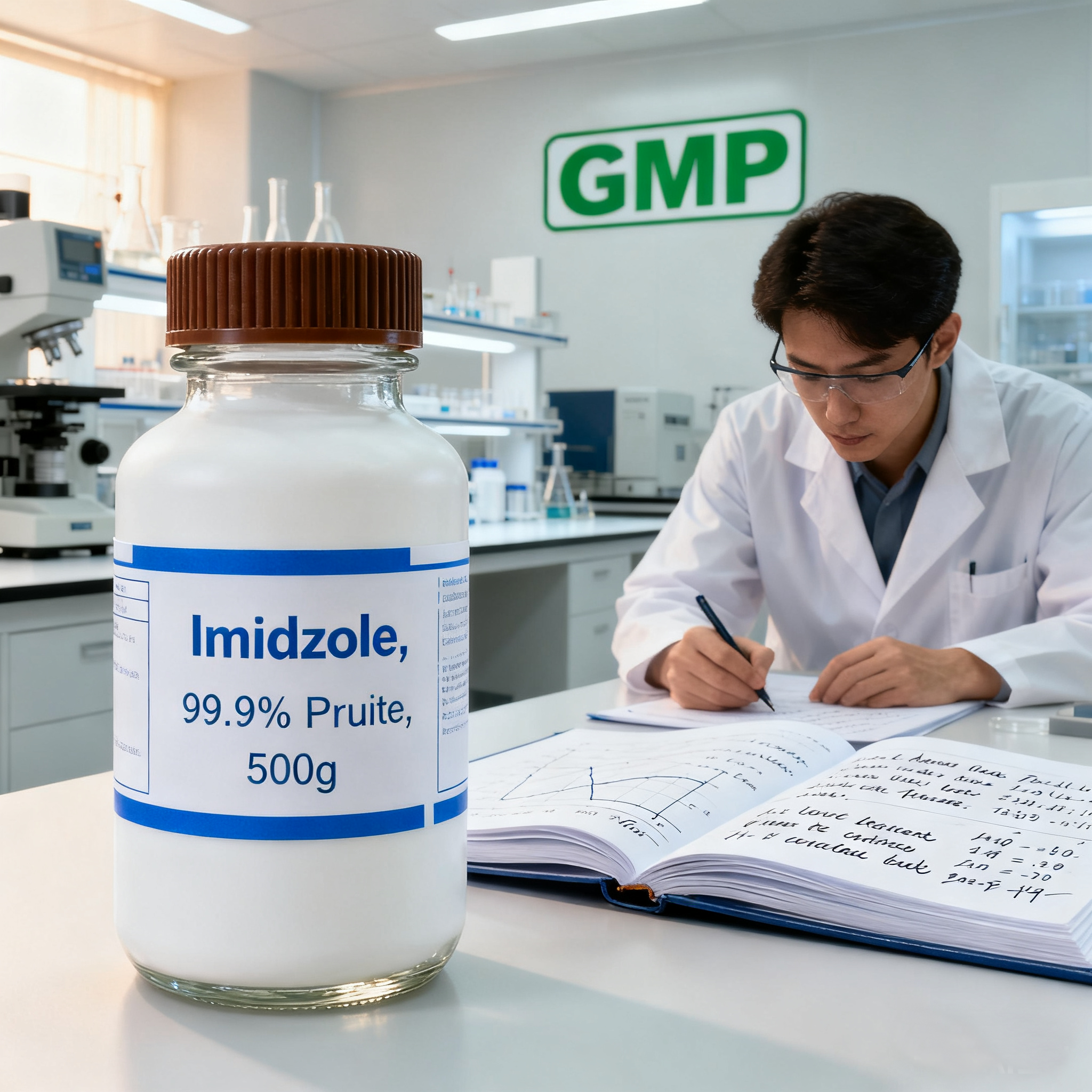
Imidazole stands as one of the most versatile and indispensable compounds in specialty chemical manufacturing today. This five-membered heterocyclic nitrogen compound has become central to producing everything from advanced pharmaceuticals to high-performance materials. The strategic importance of imidazole extends far beyond simple academic interest—it directly impacts production efficiency, cost control, and final product quality across multiple industrial sectors. Understanding the precise role that imidazole plays in modern specialty chemical manufacturing is essential for any organization seeking to optimize their synthesis processes or evaluate raw material sourcing strategies.

The applications of imidazole span pharmaceutical synthesis, agrochemical production, polymer engineering, and functional material development. In pharmaceutical manufacturing specifically, imidazole serves as a building block for active pharmaceutical ingredients across diverse therapeutic categories. The compound's chemical properties—its nucleophilicity, basicity, and ability to form stable complexes—make it an exceptional choice for constructing complex molecular scaffolds. This multi-functional nature of imidazole explains why specialty chemical manufacturers consider it a cornerstone intermediate in their product portfolios.
Core Applications of Imidazole in Specialty Chemical Manufacturing
Pharmaceutical Intermediate and Active Ingredient Development
Imidazole functions as both a direct building block and a strategic intermediate in producing active pharmaceutical ingredients. Many commercially important drugs contain an imidazole ring system or utilize imidazole during their synthetic pathway. The heterocyclic structure of imidazole allows chemists to incorporate it into complex molecular frameworks that would be difficult or impossible to construct through alternative routes. Pharmaceutical manufacturers rely on imidazole to access novel chemical space while maintaining synthetic feasibility and cost-effectiveness. The compound's well-established chemistry and extensive body of published synthetic methodology make imidazole a preferred choice over less-characterized heterocycles.
Agrochemical and Pesticide Synthesis
The agrochemical industry leverages imidazole extensively in developing fungicides, herbicides, and growth regulators. Imidazole-containing compounds demonstrate superior biological activity against various crop pathogens and pests, making them valuable for modern agricultural production. The chemical stability of imidazole under field conditions and its compatibility with standard agricultural formulation processes explain its widespread adoption. Specialty chemical manufacturers in the agrochemical sector recognize that imidazole enables the development of more effective crop protection solutions while meeting regulatory safety standards. The demand for imidazole-based agrochemicals continues to grow as farmers seek more targeted and environmentally responsible pest management tools.
Functional Properties That Drive Imidazole's Manufacturing Importance
Nucleophilicity and Basicity Characteristics
The nitrogen atoms in imidazole exhibit remarkable nucleophilicity and basicity, properties that drive its value in specialty chemical manufacturing. These characteristics allow imidazole to participate in a diverse range of chemical reactions, from alkylation and acylation to condensation reactions and complex syntheses. Specialty chemical manufacturers exploit imidazole's nucleophilic nature to facilitate selective bond formation, enabling the construction of highly complex molecular structures. The basicity of imidazole also makes it useful as a catalyst or co-catalyst in various chemical transformations, further expanding its manufacturing applications. Understanding and controlling these properties is critical for chemists designing efficient synthetic routes to target compounds.
Chelation and Coordination Capabilities
Imidazole demonstrates exceptional ability to form stable coordination complexes with transition metals, a property that defines its role in specialty catalyst development. In metallated imidazole systems, the compound serves as a ligand that stabilizes metal centers and influences their reactivity. Specialty chemical manufacturers utilize imidazole-based catalysts to improve reaction efficiency, selectivity, and throughput in large-scale synthesis. The flexibility of imidazole in chelating different metal ions makes it applicable across numerous catalytic processes. This chelation capability represents a distinct competitive advantage over many alternative ligands, particularly in pharmaceutical and fine chemical synthesis where selectivity directly impacts product yield and purity.
Manufacturing Process Integration and Supply Chain Considerations
Scale-Up Challenges and Process Optimization
Scaling imidazole synthesis from laboratory research to manufacturing capacity requires careful process design and operational control. The exothermic nature of certain imidazole synthesis routes demands sophisticated temperature management and reactor design. Specialty chemical manufacturers must establish robust quality control systems to ensure consistent purity and consistent properties across production batches. The raw materials and intermediate steps involved in producing imidazole at scale introduce complexity that must be carefully managed. Manufacturers employing imidazole as a starting material or intermediate need to work closely with imidazole suppliers to establish stable, qualified supply relationships. The process optimization of imidazole production directly impacts the economics of any specialty chemical manufacturer that depends on reliable sourcing.
Quality, Purity, and Regulatory Compliance
The purity of imidazole directly influences the quality and efficacy of downstream products, making stringent quality control non-negotiable. Specialty chemical manufacturers must verify that imidazole meets precise specifications including assay content, moisture levels, and residual solvent profiles. Regulatory requirements for pharmaceutical applications demand that imidazole suppliers maintain documented traceability and conduct regular safety testing. Imidazole sourced from certified suppliers provides manufacturers with confidence in compliance and consistency. Establishing qualified supplier relationships for imidazole ensures that specialty chemical manufacturers can maintain their own regulatory standing and product quality commitments. The investment in proper imidazole sourcing practices protects both the manufacturer's reputation and the end-user's safety.
Strategic Value and Future Positioning
Innovation Drivers in Specialty Chemical Development
Imidazole continues to drive innovation in specialty chemical manufacturing by enabling the synthesis of novel compounds and structures. Research into new imidazole derivatives and substitution patterns constantly expands the possible applications within pharmaceutical development. Specialty chemical manufacturers that master imidazole chemistry position themselves to develop differentiated products ahead of competitors. The versatility of imidazole as a platform chemistry allows manufacturers to address emerging market needs across multiple end-use sectors. As regulatory requirements evolve and market demands shift toward more selective and efficient compounds, imidazole's flexibility ensures its continued relevance in specialty chemical portfolios.
Cost Efficiency and Competitive Positioning
Using imidazole as a key intermediate can significantly improve the economics of specialty chemical manufacturing by reducing the total synthetic steps required. Shorter synthesis routes mean reduced material costs, energy consumption, and production timelines. Specialty chemical manufacturers that optimize their use of imidazole gain cost advantages that translate into competitive pricing or improved margins. The established supply infrastructure for imidazole supports predictable raw material availability and pricing, reducing sourcing uncertainty. These economic advantages make imidazole an increasingly attractive choice for manufacturers looking to balance innovation with operational efficiency in their product portfolios.
FAQ
What makes imidazole unique compared to other heterocyclic compounds in specialty chemical manufacturing?
Imidazole possesses a combination of properties that distinguish it from other heterocycles: its dual nitrogen atoms provide both nucleophilic and basic character, its aromatic stability allows incorporation into diverse structures, and its metal-chelating capability opens catalytic applications. These properties, combined with established synthetic methodology and reliable supply chains, make imidazole exceptionally versatile. Specialty chemical manufacturers find that imidazole often enables synthetically feasible routes to complex targets that would be impractical using alternative heterocycles.
How does imidazole improve manufacturing efficiency in pharmaceutical synthesis?
Imidazole reduces the number of synthetic steps required to construct target pharmaceuticals by serving as a multifunctional intermediate that can participate in various reactions. Its reactivity allows selective bond formation under mild conditions, minimizing side reactions and improving yields. By incorporating imidazole into synthetic routes, manufacturers can reduce overall production time, solvent usage, and waste generation. These efficiency gains directly reduce the cost per unit and increase manufacturing throughput, making imidazole an economically attractive choice for large-scale pharmaceutical production.
What are the key quality requirements for imidazole used in specialty chemical manufacturing?
High-purity imidazole with consistent assay values, minimal moisture content, and controlled residual solvent profiles is essential for specialty chemical applications. For pharmaceutical use, imidazole must meet established pharmacopeial standards and possess documented traceability. Suppliers must provide certificates of analysis confirming purity, identity, and the absence of contaminants that could compromise downstream product quality. Regular testing for heavy metals, microbiological content, and other potential impurities protects the manufacturer's process and end-product safety. Establishing imidazole sourcing agreements with qualified suppliers that maintain rigorous quality systems ensures consistent performance across production campaigns.