
 EN
EN

Acetophenone is a critical chemical compound widely used in pharmaceutical, cosmetic, and industrial applications, making proper shipping and storage essential to maintain its quality and integrity. During transit, acetophenone faces multiple environmental threats including temperature fluctuations, moisture exposure, light degradation, and mechanical stress that can compromise its chemical properties and effectiveness. Selecting the right acetophenone packaging options directly determines whether this valuable compound arrives at its destination in optimal condition or degrades into an unusable product, representing significant cost implications and regulatory risks for businesses.
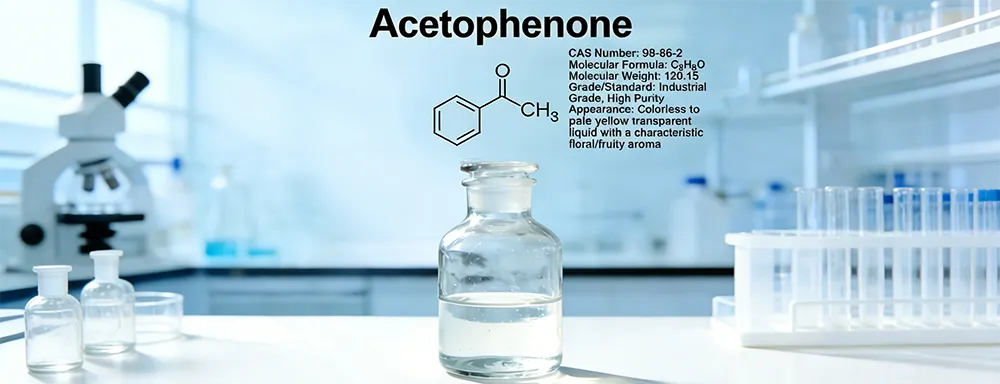
The challenge of preserving acetophenone quality extends beyond simple box-and-ship approaches. Industry standards require comprehensive consideration of container materials, sealing mechanisms, protective layers, labeling protocols, and regulatory compliance frameworks that work together to create a protective ecosystem for acetophenone throughout its journey. This article explores the practical acetophenone packaging strategies that pharmaceutical manufacturers, chemical distributors, and research institutions rely upon to ensure product integrity from warehouse to final destination.
Glass Containers and Chemical Resistance
Amber Glass as the Premium Choice
Amber glass represents the gold standard for acetophenone packaging because its dark coloration filters harmful ultraviolet light that triggers photochemical degradation. When acetophenone encounters UV radiation during shipping and storage, molecular bonds break down, altering the compound's chemical structure and reducing its purity and efficacy. Acetophenone stored in amber glass containers maintains stable molecular integrity for extended periods, making this packaging option particularly valuable for long-distance shipments or inventory that must remain viable for months.
The thickness and composition of amber glass used for acetophenone packaging significantly impacts protective performance. Type III borosilicate glass, specifically designed for pharmaceutical and chemical applications, provides superior chemical resistance compared to standard glass and withstands temperature variations without cracking or leaching contaminants into the acetophenone. The neutral pH characteristics of properly formulated glass ensure that acetophenone remains chemically stable throughout extended storage periods, while the glass itself resists interaction with the chemical compound.
Clear Glass Limitations and Mitigating Strategies
Clear glass containers offer cost advantages over amber alternatives but provide minimal protection against light exposure for acetophenone. If acetophenone must be packaged in clear glass due to budget constraints or specific application requirements, supplementary protective measures become mandatory. Secondary packaging systems using opaque outer cartons, light-blocking foam layers, or reflective wrapping materials can significantly reduce light penetration and preserve acetophenone quality during transit.
The chemical inertness of glass makes it compatible with virtually all acetophenone formulations, whether pure liquid acetophenone or acetophenone dissolved in carrier solvents. Glass does not absorb or leach substances that might contaminate acetophenone, maintaining pharmaceutical-grade purity standards essential for downstream manufacturing processes or research applications. When acetophenone packaging requires glass containers, verifying that glass meets Type III or higher borosilicate specifications ensures maximum chemical compatibility and durability.
Sealing Systems and Moisture Control
Cap Design and Vapor Lock Technology
Acetophenone is hygroscopic, meaning it absorbs moisture from ambient air, which dilutes the compound and introduces contaminants that compromise quality metrics. The sealing system used on acetophenone packaging directly determines how effectively the container resists moisture infiltration during shipping. Phenolic-lined caps with PTFE (polytetrafluoroethylene) liners create superior vapor barriers for acetophenone storage, preventing moisture exchange between the headspace and external environment while maintaining an inert internal atmosphere.
Multi-layer sealing systems provide maximum protection for acetophenone during extended shipping periods. A primary seal consisting of an inert liner prevents direct contact between acetophenone and the cap material, while secondary seals using plastic shrink bands or aluminum induction seals create redundant barriers against leakage and contamination. When acetophenone packages undergo pressure or temperature changes during air transport or across different climate zones, these redundant sealing layers ensure that neither vapor exchange nor liquid leakage compromises the product.
Headspace Inertization and Oxygen Displacement
The empty space above acetophenone in storage containers accelerates oxidation and chemical degradation if atmospheric oxygen remains present. Professional acetophenone packaging systems often incorporate nitrogen or argon gas purging that displaces oxygen from the headspace before final sealing. This inertization process dramatically slows oxidative reactions, extending the shelf life of acetophenone and maintaining its chemical purity throughout the shipping timeline.
Oxygen scavenger packets designed specifically for acetophenone packaging provide an alternative approach for smaller containers where gas purging equipment is not practical. These packets consume residual oxygen within sealed containers, maintaining an oxygen-free environment that prevents chemical degradation. When acetophenone experiences extended storage or shipping to remote locations with limited temperature control, the combination of sealed containers plus oxygen scavengers provides reliable quality preservation at reasonable cost.
Secondary Packaging and Environmental Protection
Thermal Insulation Layers
Temperature stability represents a critical factor in acetophenone preservation because thermal fluctuations accelerate chemical reactions and can cause phase separation or crystallization in concentrated acetophenone solutions. Secondary acetophenone packaging incorporating foam insulation, thermal blankets, or phase-change materials stabilizes internal temperatures throughout shipping. For acetophenone destined for climate-sensitive regions or transported via routes crossing multiple thermal zones, insulated packaging systems maintain narrow temperature ranges that keep acetophenone stable regardless of external conditions.
The melting point of acetophenone at approximately 19 degrees Celsius means that even slight temperature variations during winter shipping can trigger undesired phase transitions. Thermal buffering systems used in professional acetophenone packaging prevent these transitions by maintaining temperatures above this threshold, ensuring that acetophenone remains liquid and chemically available throughout distribution. Shippers must specify thermal protection requirements during packaging design, ensuring that acetophenone reaches destinations in the exact physical state required by downstream processes.
Shock Absorption and Mechanical Stability
Container damage during transit represents a major cause of acetophenone losses, with broken bottles, cracked seals, and leakage resulting in product degradation and regulatory violations. Cushioning materials surrounding acetophenone packages, including foam inserts, air pillows, or spring-loaded compartments, absorb vibration and impact forces that occur during handling and transportation. Professional acetophenone packaging systems incorporate multiple layers of shock protection that keep glass containers isolated from direct contact with shipping box surfaces.
Rigid outer containers specifically designed for chemical shipment protect acetophenone packages from crushing forces applied by handling equipment or stacked freight. These specialized containers feature reinforced corners, internal dividers, and stress-distribution technology that maintain container integrity even under severe mechanical stress. When acetophenone is shipped via high-vibration transportation modes like air freight or rail, enhanced mechanical protection becomes essential for ensuring that internal bottles remain intact and sealed.
Regulatory Compliance and Labeling Requirements
Classification and Documentation Standards
Acetophenone classification as a hazardous material in many jurisdictions requires that acetophenone packaging comply with specific DOT, IATA, and international maritime regulations. Proper acetophenone packaging must include documentation systems that communicate hazard information, shipping restrictions, and emergency response procedures to all handling personnel. Packaging systems that fail to meet regulatory acetophenone standards face rejection, delays, or destruction, making compliance an integral component of effective packaging design rather than a separate administrative task.
Documentation and Traceability Features
Modern acetophenone packaging incorporates barcodes, lot numbers, and chemical specification labels that enable comprehensive traceability throughout the supply chain. These documentation systems verify that shipped acetophenone meets purchase specifications and allow recipients to confirm product authenticity before opening containers. Quality-conscious acetophenone packaging includes certificates of analysis printed or attached to packaging, providing immediate proof that acetophenone meets required purity and composition standards at the moment of shipment.
FAQ
Why is amber glass preferred for acetophenone packaging over clear glass?
Amber glass filters ultraviolet light that triggers photochemical degradation of acetophenone, preserving its chemical structure and purity during extended storage and shipping. Clear glass offers no light protection, making acetophenone vulnerable to degradation unless supplementary light-blocking measures are implemented. For critical applications where acetophenone must maintain pharmaceutical-grade purity, amber glass provides reliable, passive protection without additional protective systems.
How does moisture infiltration damage acetophenone quality?
Acetophenone's hygroscopic properties cause it to absorb moisture from ambient air, which dilutes the compound and introduces contaminants that reduce purity and chemical effectiveness. Moisture absorbed into acetophenone creates aqueous layers that promote hydrolysis reactions, altering the compound's molecular structure. Professional acetophenone packaging uses multi-layer sealing systems, inert gas displacement, and vapor barriers to prevent moisture exchange, maintaining acetophenone concentration and purity throughout distribution.
What protective measures preserve acetophenone during temperature fluctuations?
Secondary acetophenone packaging incorporating thermal insulation materials, foam layers, and phase-change materials stabilizes internal temperatures against external climate variations. Temperature buffering prevents phase transitions near acetophenone's melting point while slowing oxidative reactions that accelerate at elevated temperatures. For acetophenone shipped across climate zones or during seasonal temperature extremes, thermal protection systems ensure stable conditions that maintain chemical stability and prevent degradation throughout the shipping journey.