 EN
EN
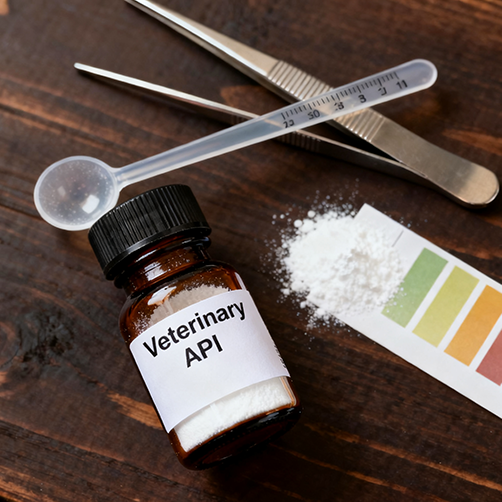
The veterinary pharmaceutical industry is undergoing significant transformation, and the veterinary api sector stands at the forefront of this evolution. As global demand for animal health solutions continues to rise, manufacturers of veterinary api compounds face unprecedented pressure to innovate while maintaining quality and compliance. Understanding the trends shaping veterinary api manufacturing today is essential for stakeholders seeking to remain competitive in an increasingly sophisticated market.
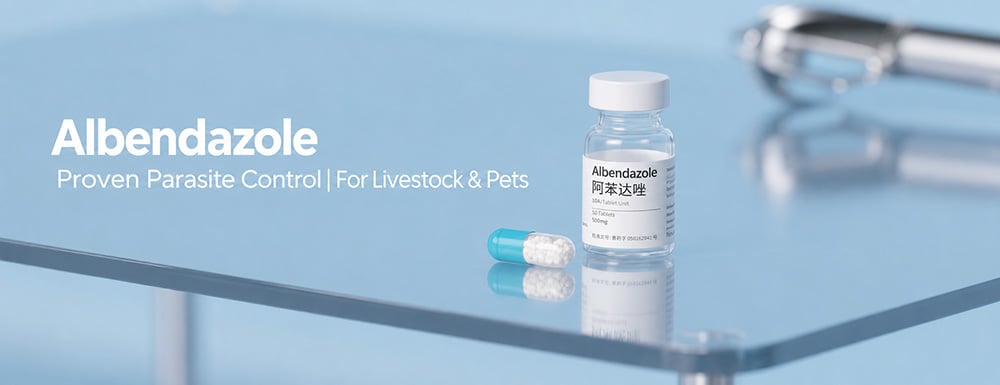
The production of veterinary api represents a critical pillar of animal healthcare delivery globally. Modern veterinary api manufacturing encompasses complex chemical synthesis, rigorous quality assurance, and strict regulatory adherence across multiple jurisdictions. Recent years have witnessed dramatic shifts in how companies approach veterinary api development, driven by technological advancement, changing regulatory frameworks, and evolving industry demands for sustainability and efficiency.
Technological Innovation and Process Advancement
Automation and Process Efficiency
One of the most significant trends in veterinary api manufacturing is the adoption of advanced automation technologies. Manufacturers are increasingly implementing automated synthesis systems, real-time monitoring platforms, and AI-driven quality control mechanisms to enhance consistency and reduce production variability. These technological innovations directly improve the safety profile of veterinary api products while simultaneously reducing manufacturing costs and timelines. The integration of Industry 4.0 principles into veterinary api production facilities enables continuous optimization of batch processes, resulting in higher yields and lower waste generation.
Green Chemistry and Sustainable Synthesis
Sustainability has become a cornerstone consideration in contemporary veterinary api manufacturing practices. Industry leaders are actively transitioning toward green chemistry principles, including solvent reduction, waste minimization, and energy-efficient synthetic pathways. This shift reflects both regulatory pressure and market demand for environmentally responsible veterinary api production. Companies developing novel synthetic routes for veterinary api compounds are prioritizing methods that reduce hazardous byproducts and environmental contamination, directly aligning with global sustainability commitments and improving their operational footprint.
Regulatory Evolution and Compliance Requirements
Stricter Quality Standards
Regulatory bodies worldwide are continually raising standards for veterinary api manufacturing oversight and quality specifications. The veterinary api sector now faces increasingly stringent requirements for impurity profiling, stability testing, and residue documentation. Manufacturers must invest substantially in analytical infrastructure and validation protocols to demonstrate compliance with evolving veterinary api regulations across different markets. This regulatory tightening reflects a broader industry commitment to animal welfare and consumer safety, positioning compliant veterinary api manufacturers as trusted partners in the pharmaceutical supply chain.
International Harmonization
The push toward harmonized veterinary api standards across global markets represents another transformative trend. Organizations working to align veterinary api specifications internationally are reducing the complexity faced by multinational manufacturers. While harmonization efforts for veterinary api compounds continue to evolve, manufacturers who proactively align their processes with emerging international guidelines gain competitive advantages in market access and operational efficiency. This convergence in veterinary api standards facilitates smoother regulatory approvals and strengthens supply chain transparency across borders.
Market Dynamics and Strategic Positioning
Consolidation and Vertical Integration
The veterinary api manufacturing landscape is experiencing notable consolidation, with larger pharmaceutical entities acquiring specialized producers to secure supply chains and expand capabilities. This trend reflects the strategic value of reliable veterinary api sourcing in an increasingly complex global market. Vertical integration strategies enable companies to control quality at every production stage of their veterinary api operations, from raw material procurement through final formulation. Such structural changes in the veterinary api industry reshape competitive dynamics and create new opportunities for specialized producers offering differentiated capabilities.
Emerging Market Expansion
Emerging economies are becoming increasingly important drivers of growth in the veterinary api sector. Rising livestock production, expanding aquaculture industries, and growing pet ownership in developing regions are creating substantial demand for veterinary api compounds. Manufacturers are expanding production capacity and establishing regional veterinary api facilities to serve these growing markets more efficiently. This geographic diversification of veterinary api manufacturing creates resilience in supply networks while positioning companies to capture growth opportunities in high-demand regions.
Customization and Specialty Formulations
A clear trend toward specialized veterinary api formulations tailored for specific animal species and health applications is reshaping market expectations. Contract manufacturers of veterinary api compounds are increasingly offering customized synthesis services, advanced delivery system integration, and species-specific optimization. This specialization trend in veterinary api manufacturing reflects the growing sophistication of animal health solutions and the industry's shift toward personalized veterinary medicine approaches. Companies that successfully position their veterinary api capabilities as adaptable and innovative gain preferential treatment from formulation partners and end customers.
FAQ
What factors are driving innovation in veterinary api manufacturing?
Innovation in veterinary api manufacturing is primarily driven by regulatory pressures requiring higher purity standards, technological availability enabling advanced synthesis methods, and market demand for sustainable production practices. Additionally, the need to reduce manufacturing costs while improving consistency has spurred investment in automation and real-time analytical monitoring systems within veterinary api facilities. Competitive pressures and the expansion into emerging markets further accelerate the pace of veterinary api innovation across the industry.
How are sustainability concerns influencing veterinary api production strategies?
Sustainability is fundamentally reshaping veterinary api production by encouraging manufacturers to adopt green chemistry principles, minimize hazardous waste, and reduce energy consumption in synthesis processes. The shift toward environmentally responsible veterinary api manufacturing reflects both regulatory requirements and stakeholder expectations for corporate environmental stewardship. Companies investing in sustainable veterinary api practices often discover cost advantages through waste reduction and improved operational efficiency, creating positive alignment between environmental responsibility and business performance.
What role do regulatory changes play in shaping veterinary api manufacturing trends?
Regulatory evolution directly influences virtually every aspect of modern veterinary api manufacturing, from analytical requirements and purity standards to facility design and quality control procedures. Harmonization efforts across global markets for veterinary api specifications are gradually simplifying compliance pathways for multinational manufacturers. Manufacturers who anticipate and proactively adopt emerging veterinary api regulatory standards gain competitive advantages in market access, operational flexibility, and stakeholder confidence compared to those responding reactively to regulatory changes.