
 EN

The global chemical manufacturing sector is experiencing significant shifts in raw material demand, and acetophenone stands out as one of the most notable growth drivers in recent years. Acetophenone, a key organic compound, has become increasingly essential across multiple industrial applications, from pharmaceutical synthesis to advanced material production. Understanding why acetophenone demand is surging provides valuable insight into broader market trends, regulatory pressures, and evolving manufacturing priorities that shape the industry today.
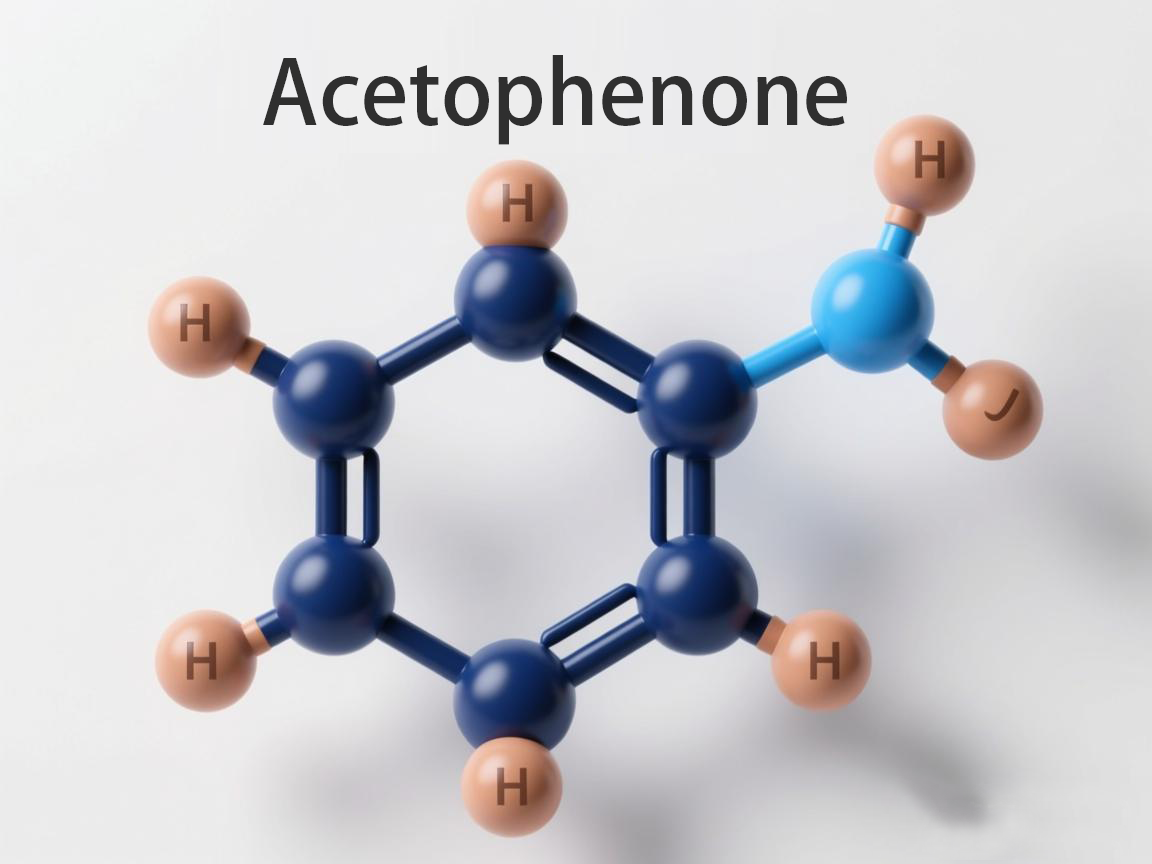
Market analysts and industry professionals increasingly recognize that acetophenone demand reflects deeper structural changes in chemical manufacturing. The compound's versatility, cost-effectiveness, and regulatory acceptance have positioned it as a preferred feedstock for manufacturers seeking reliable, scalable production pathways. As pharmaceutical companies expand their portfolios and specialty chemical producers innovate new formulations, the role of acetophenone in supporting these growth initiatives becomes ever more critical to competitive success.
Expanding Pharmaceutical and Chemical Applications Driving Acetophenone Demand
Pharmaceutical Synthesis and Intermediates
Acetophenone serves as a crucial intermediate in the synthesis of numerous pharmaceutical compounds, making it indispensable to modern drug development and manufacturing. The pharmaceutical industry relies heavily on acetophenone to produce active pharmaceutical ingredients used in pain management, anti-inflammatory, and other therapeutic categories. As global healthcare demand continues to rise and pharmaceutical manufacturers expand production capacity, acetophenone demand has accelerated accordingly to support increased synthesis requirements and pipeline expansion across major markets.
The growing prevalence of chronic diseases and aging populations worldwide have intensified pressure on pharmaceutical manufacturers to scale production efficiently. Acetophenone enables this scalability by providing a cost-effective, well-established synthesis pathway that reduces development timelines and manufacturing complexity. Manufacturers choosing acetophenone as their feedstock benefit from decades of process optimization and established supply chain networks that ensure consistent quality and reliable delivery.
Specialty Chemical Production and Advanced Materials
Beyond pharmaceuticals, acetophenone finds growing application in the production of specialty chemicals and advanced materials that serve emerging industries. Chemical manufacturers increasingly use acetophenone in the synthesis of polymers, resins, and fine chemicals destined for electronics, coatings, and high-performance material applications. This diversification of acetophenone demand reflects broader market trends toward specialized, high-value products that command premium pricing and offer stronger competitive differentiation than commodity chemicals.
The electronics and automotive industries particularly drive acetophenone demand growth through their expansion of polycarbonate, polyethersulfone, and other engineered polymer applications. As these sectors adopt new manufacturing technologies and pursue lightweight, durable material solutions, acetophenone's role as a precursor compound strengthens, creating sustained demand visibility for chemical manufacturers capable of meeting stringent quality specifications and delivery schedules.
Regulatory Support and Market-Favorable Conditions Boosting Acetophenone Demand
Regulatory Acceptance and Compliance Benefits
Regulatory agencies worldwide have established clear pathways for acetophenone use in pharmaceutical and chemical applications, creating a favorable regulatory environment that encourages its adoption over less-established alternatives. This regulatory clarity reduces development risk and accelerates time-to-market for manufacturers incorporating acetophenone into their processes, directly stimulating acetophenone demand across regulated industries. Manufacturers benefit from extensive safety data, established manufacturing guidelines, and predictable regulatory approvals when building acetophenone into their production workflows.
The regulatory stability surrounding acetophenone contrasts sharply with emerging alternative compounds that may require years of safety testing and regulatory review before gaining market acceptance. This advantage drives acetophenone demand even as new chemical alternatives emerge, because established compounds offer lower regulatory risk, faster commercialization timelines, and greater supply chain certainty than experimental substitutes.
Supply Chain Reliability and Strategic Sourcing
Global supply chain disruptions have elevated the strategic importance of reliable feedstock sourcing, positioning acetophenone as a preferred compound due to its established production infrastructure and multiple sourcing options worldwide. Manufacturers seeking stable supply relationships increasingly prioritize acetophenone over less-established compounds because established production networks reduce single-source dependency and geopolitical supply risk. This shift toward supply chain resilience fundamentally supports sustained acetophenone demand growth regardless of short-term market volatility.
Chemical manufacturers have learned through recent supply chain challenges that establishing relationships with experienced acetophenone producers provides competitive advantages through predictable pricing, consistent quality, and reliable delivery schedules. These supply chain benefits translate directly into increased acetophenone demand as manufacturers integrate acetophenone into long-term strategic sourcing plans and capital investment decisions.
Market Pricing, Economics, and Cost-Driven Adoption Fueling Acetophenone Demand
Cost-Effectiveness Relative to Alternative Feedstocks
Acetophenone pricing remains highly competitive against alternative compounds that could theoretically serve similar functions in pharmaceutical and chemical synthesis. The established production infrastructure supporting acetophenone manufacturing has created significant economies of scale that translate into lower per-unit costs compared to emerging alternatives requiring new production facilities or novel synthesis technologies. This cost advantage makes acetophenone demand economically rational for manufacturers operating under margin pressure and seeking to optimize production economics without sacrificing product quality or performance.
Chemical manufacturers continuously evaluate feedstock choices based on total cost of ownership, including material costs, processing efficiency, waste management expenses, and regulatory compliance burdens. Acetophenone consistently delivers favorable economics across these dimensions, directly supporting acetophenone demand growth as manufacturers expand capacity and launch new product lines requiring efficient, economical synthesis pathways that acetophenone provides.
Return on Investment and Operational Efficiency
The established synthesis protocols and well-optimized manufacturing processes surrounding acetophenone enable high conversion efficiency and minimal process waste, delivering strong return on investment for manufacturers incorporating acetophenone into their operations. Process engineers familiar with acetophenone applications can rapidly implement production scaling, troubleshoot technical issues using extensive historical data, and achieve consistent yields that maximize production efficiency. This operational advantage reinforces acetophenone demand from a pure economic standpoint, independent of alternative considerations.
Manufacturing facilities designed to utilize acetophenone benefit from lower capital requirements and shorter commissioning timelines compared to facilities requiring novel chemistry or experimental synthesis routes. These economic advantages make acetophenone adoption an attractive strategic choice for manufacturers balancing innovation with operational efficiency and financial risk management.
FAQ
What specific industries drive the majority of acetophenone demand growth?
Pharmaceutical manufacturers represent the largest driver of acetophenone demand growth, followed closely by specialty chemical producers serving electronics, automotive, and advanced material industries. Pharmaceutical companies use acetophenone as a critical intermediate in synthesizing pain relievers, anti-inflammatory medications, and other therapeutic compounds. The expansion of these industries, combined with increased global healthcare demand and material science innovation, creates sustained acetophenone demand growth across these primary market segments.
How does acetophenone compare to alternative compounds in terms of regulatory acceptance?
Acetophenone benefits from decades of regulatory approval, extensive safety data, and established manufacturing guidelines across major regulatory jurisdictions including the FDA, EMA, and others. This regulatory clarity provides significant advantages over emerging alternative compounds that typically require years of safety testing and regulatory review before gaining market approval. Manufacturers choosing acetophenone avoid regulatory delays and reduce development risk compared to alternative feedstocks, making acetophenone demand economically and strategically advantageous for risk-conscious chemical producers.
What role does supply chain stability play in acetophenone demand trends?
Supply chain stability has become a critical factor in acetophenone demand growth as manufacturers prioritize feedstock reliability and diversified sourcing options. Acetophenone's established global production infrastructure and multiple sourcing locations reduce geopolitical supply risk and single-source dependency compared to emerging compounds relying on limited production capacity. This supply chain advantage directly supports acetophenone demand from manufacturers implementing resilient sourcing strategies designed to withstand future disruptions and maintain operational continuity under challenging market conditions.