
 EN
EN
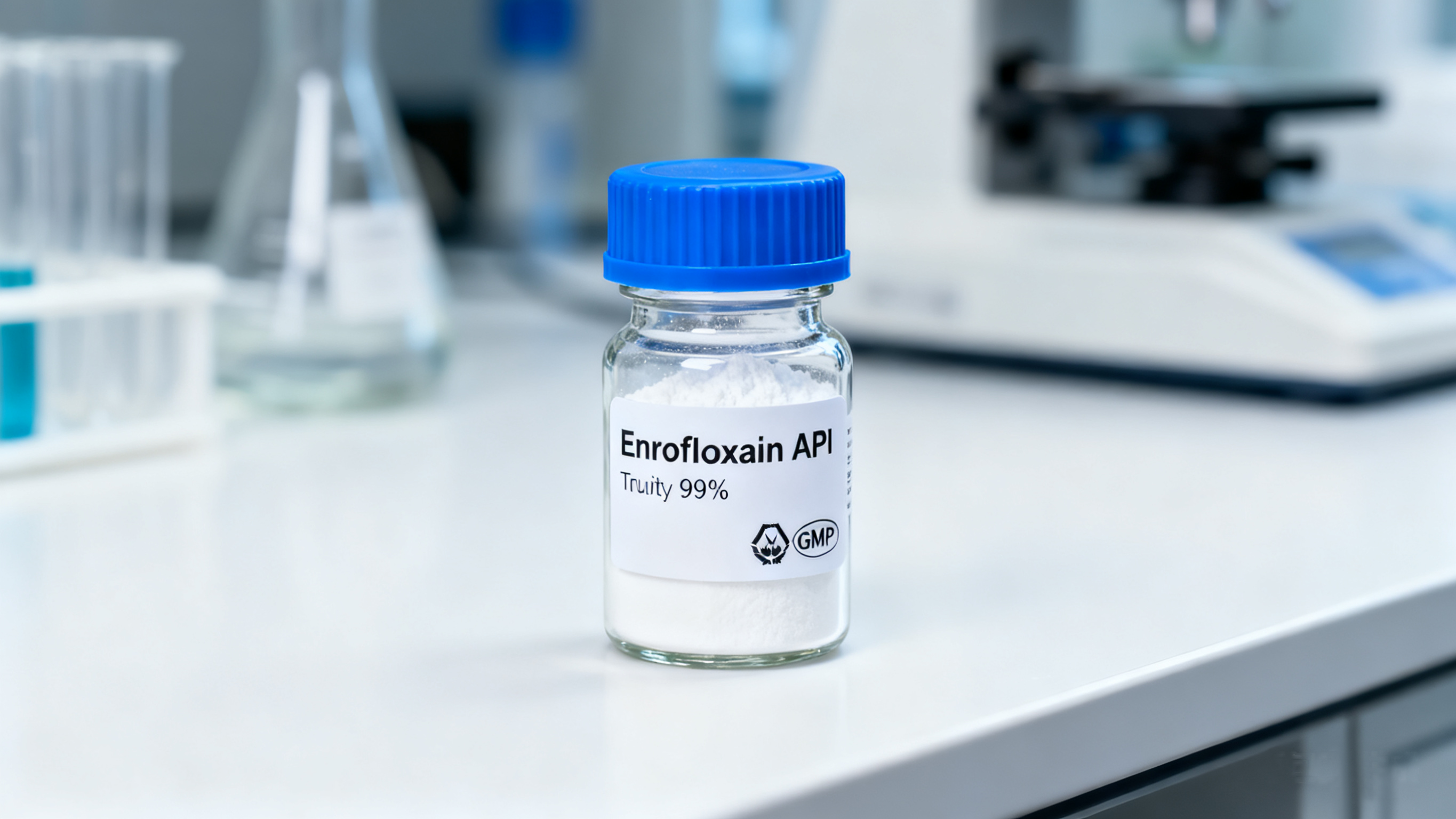
The global animal health industry is experiencing unprecedented transformation, and at the heart of this change lies a critical yet often overlooked component: veterinary API. Active pharmaceutical ingredients designed specifically for veterinary use are becoming increasingly central to modern animal healthcare systems worldwide. As livestock producers, pet healthcare providers, and pharmaceutical manufacturers navigate complex regulatory environments and evolving disease patterns, the demand for reliable, high-quality veterinary API has never been more pronounced. Understanding this surge in veterinary API adoption is essential for stakeholders who aim to remain competitive and responsive to market needs.
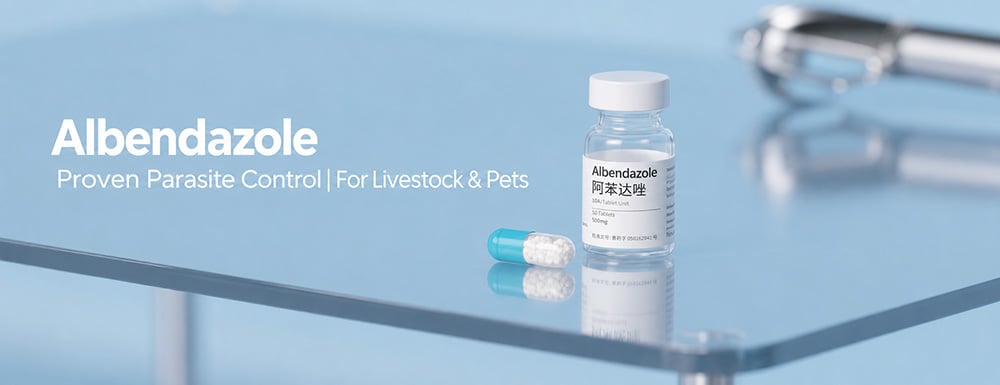
Veterinary API represents a specialized segment within the broader pharmaceutical supply chain. Unlike human medications, veterinary API must address the diverse physiological needs of multiple animal species, from poultry and swine to companion animals and aquatic organisms. This complexity drives innovation and increases the technical requirements for veterinary API manufacturers. The acceleration in demand stems from multiple interconnected factors that reshape how the global animal health sector operates, innovates, and scales production to meet growing food security and companion animal welfare demands.
Market Expansion and Livestock Productivity Drivers
Rising Global Protein Demand
World population growth and increasing protein consumption in developing economies are fueling unprecedented demand for livestock production. Chicken, pork, beef, and aquaculture now feed billions of people annually, and the production intensity required to meet this demand directly increases reliance on veterinary API formulations. Modern intensive farming operations depend on preventive health management and disease control strategies that are only possible with consistent access to veterinary API solutions. Farmers and producers who fail to invest in proper veterinary API protocols face significantly higher mortality rates, reduced productivity, and substantial economic losses.
Intensification of Animal Agriculture
Concentrated animal feeding operations have become the dominant production model across North America, Europe, and increasingly in Asia. These operations house thousands of animals in close proximity, creating environments where infectious disease spreads rapidly without intervention. Veterinary API products serve as essential tools for preventing outbreak scenarios that could decimate entire herds or flocks. The economic pressure to maintain production efficiency means that access to effective veterinary API options is no longer discretionary but operationally mandatory. Feed-grade and water-soluble veterinary API formulations allow producers to implement herd-wide health protocols with minimal labor overhead.
Regulatory Evolution and Supply Chain Transformation
Stricter Antimicrobial Stewardship Requirements
Regulatory bodies across major markets have implemented unprecedented restrictions on antimicrobial veterinary API usage, particularly regarding growth promotion applications. The European Union eliminated growth-promoting antimicrobial applications over a decade ago, and similar regulatory movements are emerging in Asia and the Americas. This regulatory shift paradoxically increases total veterinary API demand because producers must now rely on therapeutic and preventive treatments rather than sub-therapeutic interventions. Veterinary API manufacturers must develop broader product portfolios to address emerging resistance patterns and meet stricter efficacy standards, driving innovation cycles and technical specialization.
Import-Dependent Markets Seek Local Supply Solutions
Many nations have historically depended on veterinary API imports from a limited number of supplier countries. Recent supply chain disruptions, geopolitical tensions, and regulatory requirements for local manufacturing have created urgent demand for diversified veterinary API sourcing. Countries are actively incentivizing domestic pharmaceutical infrastructure investment to reduce dependency and build resilience. This geographic distribution of veterinary API production capacity multiplies the total market opportunities and encourages regional manufacturers to enter the space with competitive offerings. The shift toward localized veterinary API supply chains represents a fundamental restructuring of global animal health commerce.
Disease Pressure and Emerging Pathogen Challenges
Novel Pathogens and Emerging Diseases
The interconnected nature of global animal agriculture means that novel pathogens spread rapidly across continents and species boundaries. Highly pathogenic avian influenza, African swine fever, and emerging aquatic pathogens have demonstrated the vulnerability of concentrated animal populations. Veterinary API manufacturers must continuously innovate to develop treatments and prophylaxis options for emerging threats that conventional veterinary API portfolios cannot address. This dynamic disease environment creates perpetual demand for research, development, and deployment of new veterinary API formulations designed for rapid response to outbreak scenarios.
Companion Animal Healthcare Expansion
Pet ownership is growing exponentially in middle-income and high-income countries, and pet owners increasingly demand access to advanced healthcare options previously reserved for livestock. Companion animal veterinary practices now require sophisticated diagnostic capabilities and access to specialized veterinary API products for chronic disease management. This market segment drives demand for higher-margin, specialized veterinary API formulations designed for long-term therapeutic use rather than production-focused applications. The companion animal market represents one of the fastest-growing segments within the broader veterinary API demand landscape.
FAQ
What specific factors are most responsible for veterinary API demand growth?
The primary drivers include rising global protein consumption, regulatory restrictions on antimicrobial use, geographic diversification of supply chains, and emerging disease pressures. Additionally, the expansion of companion animal healthcare and increasing production intensification in developing economies significantly contribute to veterinary API market expansion. These factors collectively create sustained, multifaceted demand growth that extends across multiple geographic regions and animal health segments.
How does regulatory change impact veterinary API market dynamics?
Stricter antimicrobial stewardship regulations eliminate non-therapeutic veterinary API applications while simultaneously increasing demand for therapeutic alternatives. Manufacturers must develop broader veterinary api portfolios to address emerging resistance patterns and comply with evolving standards. These regulatory shifts accelerate innovation cycles and create opportunities for manufacturers who can rapidly adapt product development strategies to meet changing compliance requirements.
Which geographic regions show the strongest veterinary API demand growth?
Asia-Pacific regions demonstrate exceptional growth driven by expanding livestock production and increasing regulatory alignment with international standards. Latin America and Africa are emerging as significant growth markets due to intensifying animal agriculture and rising protein demand. Mature markets in North America and Europe continue showing steady demand as producers upgrade to higher-efficacy veterinary API products and companion animal healthcare expands across these regions.