
 EN
EN

The global chemical industry is experiencing significant transformation driven by evolving pharmaceutical needs, agricultural innovation, and industrial advancement. Among the compounds experiencing unprecedented growth, imidazole stands at the forefront of this expansion, driven by multiple converging market trends that are reshaping demand patterns worldwide. Understanding what is propelling imidazole demand requires examining the interconnected forces of regulatory evolution, therapeutic innovation, and manufacturing efficiency improvements. Imidazole's versatility as a chemical intermediate has positioned it as essential across diverse sectors, from drug manufacturing to agrochemical development.
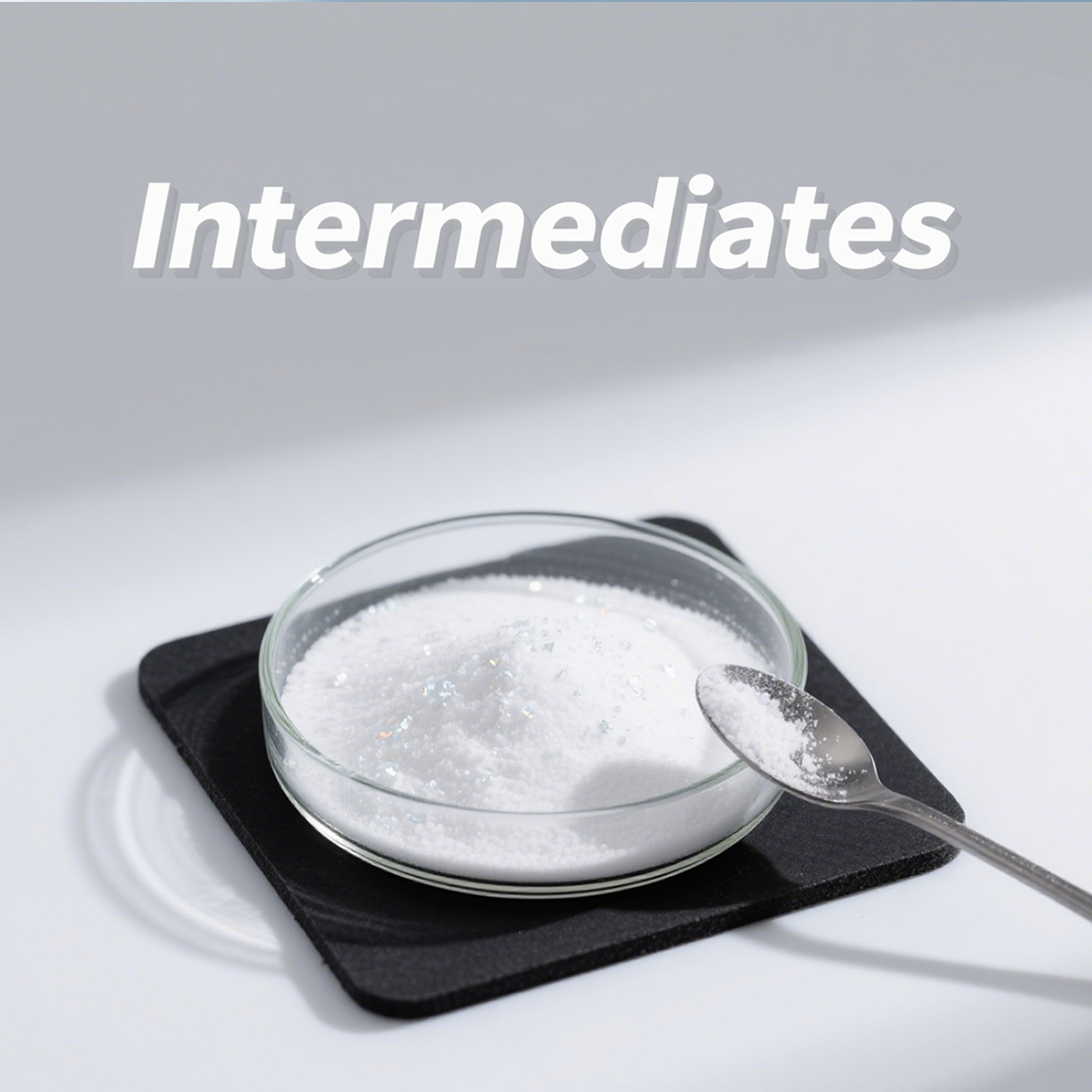
The pharmaceutical sector represents the primary driver of imidazole consumption, with increased investment in drug development and the rising complexity of modern therapeutics creating sustained demand. As healthcare systems worldwide prioritize innovative treatments for chronic diseases, immunological conditions, and emerging pathogens, the need for imidazole-based intermediates continues to accelerate. This article examines the key market trends fueling imidazole demand, explores the industries benefiting most from this chemical compound, and considers the implications for supply chains and strategic planning in the chemical sector.
Pharmaceutical Innovation and Imidazole Integration
Expanding Drug Development Pipeline
The pharmaceutical industry's unprecedented investment in research and development has created substantial demand for imidazole as a foundational chemical intermediate. Imidazole serves as a critical building block in synthesizing numerous active pharmaceutical ingredients, particularly in antifungal, antibacterial, and antiviral drug categories. The emergence of targeted therapies and personalized medicine approaches requires increasingly sophisticated molecular structures, many of which rely on imidazole chemistry. Companies developing treatments for cancer, cardiovascular disease, and infectious disease rely heavily on imidazole-based synthesis pathways to accelerate time-to-market while maintaining safety and efficacy standards.
Regulatory Compliance and Manufacturing Standards
Stringent regulatory requirements imposed by health authorities across developed and emerging markets have elevated the importance of reliable, high-quality imidazole sourcing for pharmaceutical manufacturers. Regulatory bodies now demand comprehensive supply chain documentation, quality assurance protocols, and batch traceability for all chemical intermediates used in drug manufacturing. This heightened scrutiny has increased demand for pharmaceutical-grade imidazole from certified suppliers who maintain rigorous quality control standards and comply with Good Manufacturing Practices. Pharmaceutical companies increasingly view imidazole sourcing as a strategic component of their regulatory compliance strategy, directly influencing their procurement decisions and volume commitments.
Agricultural and Industrial Expansion
Agrochemical Applications and Crop Protection
Beyond pharmaceuticals, imidazole chemistry drives significant growth in the agrochemical sector, where it functions as a key intermediate in fungicide and pesticide development. Global agricultural demands continue intensifying as crop yields must increase to support growing populations while maintaining environmental sustainability standards. Imidazole-based fungicides offer superior efficacy against resistant fungal pathogens, making them indispensable for modern crop protection strategies. Farmers and agricultural corporations increasingly adopt imidazole-containing products to protect high-value crops including cereals, fruits, and vegetables, creating consistent demand growth across agricultural regions worldwide.
Industrial Chemical Manufacturing
The broader industrial chemical sector utilizes imidazole in catalysis applications, polymer synthesis, and corrosion inhibitor formulations, expanding its market relevance beyond pharmaceutical and agricultural domains. Manufacturing facilities requiring advanced catalytic materials and specialized chemical processes increasingly incorporate imidazole compounds to improve efficiency and product quality. Imidazole's unique chemical properties make it irreplaceable in numerous industrial applications where alternative compounds cannot provide equivalent performance characteristics. This diversification of imidazole applications across multiple industrial sectors insulates demand from sector-specific downturns and creates sustainable long-term growth momentum.
Market Drivers and Supply Chain Dynamics
Emerging Market Growth and Healthcare Investment
Rapid economic development in emerging markets, particularly across Asia, Latin America, and Africa, has dramatically expanded pharmaceutical manufacturing capacity and increased regional demand for chemical intermediates including imidazole. Governments in developing nations are investing heavily in healthcare infrastructure, pharmaceutical manufacturing facilities, and research institutions to reduce dependency on imports and build domestic pharmaceutical industries. These infrastructure investments create new manufacturing hubs requiring substantial quantities of quality-assured imidazole supplies. The geographic diversification of pharmaceutical manufacturing away from traditional centers has created new demand centers and redistribution patterns for imidazole, fundamentally reshaping global supply chain logistics.
Supply Chain Resilience and Strategic Sourcing
Recent global supply chain disruptions have prompted pharmaceutical and chemical companies to reassess imidazole sourcing strategies, shifting away from single-source dependencies toward diversified supplier networks. Companies now prioritize establishing relationships with multiple imidazole manufacturers across different geographic regions to mitigate supply risks and ensure business continuity. This strategic shift has increased total imidazole demand across supplier networks as companies build safety stock and maintain redundant supplier relationships. The emphasis on supply chain resilience has fundamentally altered procurement patterns, creating consistent baseline demand levels that remain elevated compared to pre-disruption periods.
FAQ
What specific pharmaceutical applications drive the highest imidazole demand?
Antifungal medications represent the primary pharmaceutical application category for imidazole, with compounds like fluconazole and ketoconazole commanding substantial market volumes. Antihistamines, anti-inflammatory agents, and certain antiviral medications also incorporate imidazole chemistry, creating broad-based pharmaceutical demand. The consistent prevalence of fungal infections in immunocompromised populations and the growing incidence of antifungal-resistant strains ensure sustained demand for imidazole-based therapeutic options in both developed and developing healthcare markets.
How do regulatory changes impact imidazole market demand?
Stricter environmental regulations and safety standards have increased costs and complexity for imidazole manufacturing, pushing companies toward higher-quality suppliers and certified production facilities. Pharmaceutical regulatory agencies' emphasis on demonstrating supply chain security and ingredient traceability has elevated demand for documentation and compliance capabilities among imidazole suppliers. Additionally, approval of new imidazole-based therapeutics and agrochemical formulations directly expands addressable markets and consumption volumes, while regulatory restrictions on certain alternative compounds inadvertently strengthen imidazole's competitive position.
Which regions are experiencing the fastest imidazole demand growth?
Asia-Pacific represents the fastest-growing region for imidazole demand, driven by pharmaceutical manufacturing expansion in India, China, and Southeast Asian countries, combined with rising domestic healthcare investment. Latin America shows robust growth as countries develop regional pharmaceutical manufacturing capabilities and agricultural sectors expand. Europe maintains steady demand due to established pharmaceutical infrastructure and agrochemical industries, while North America's demand remains stable supported by continued drug development and specialized industrial applications of imidazole chemistry.