Premium Pesticide Intermediates for Organic Synthesis - High-Purity Chemical Building Blocks

All Categories

Get a Free Quote

Our representative will contact you soon.
Email
Name
Company Name
Message
0/1000

pesticide intermediates for organic synthesis

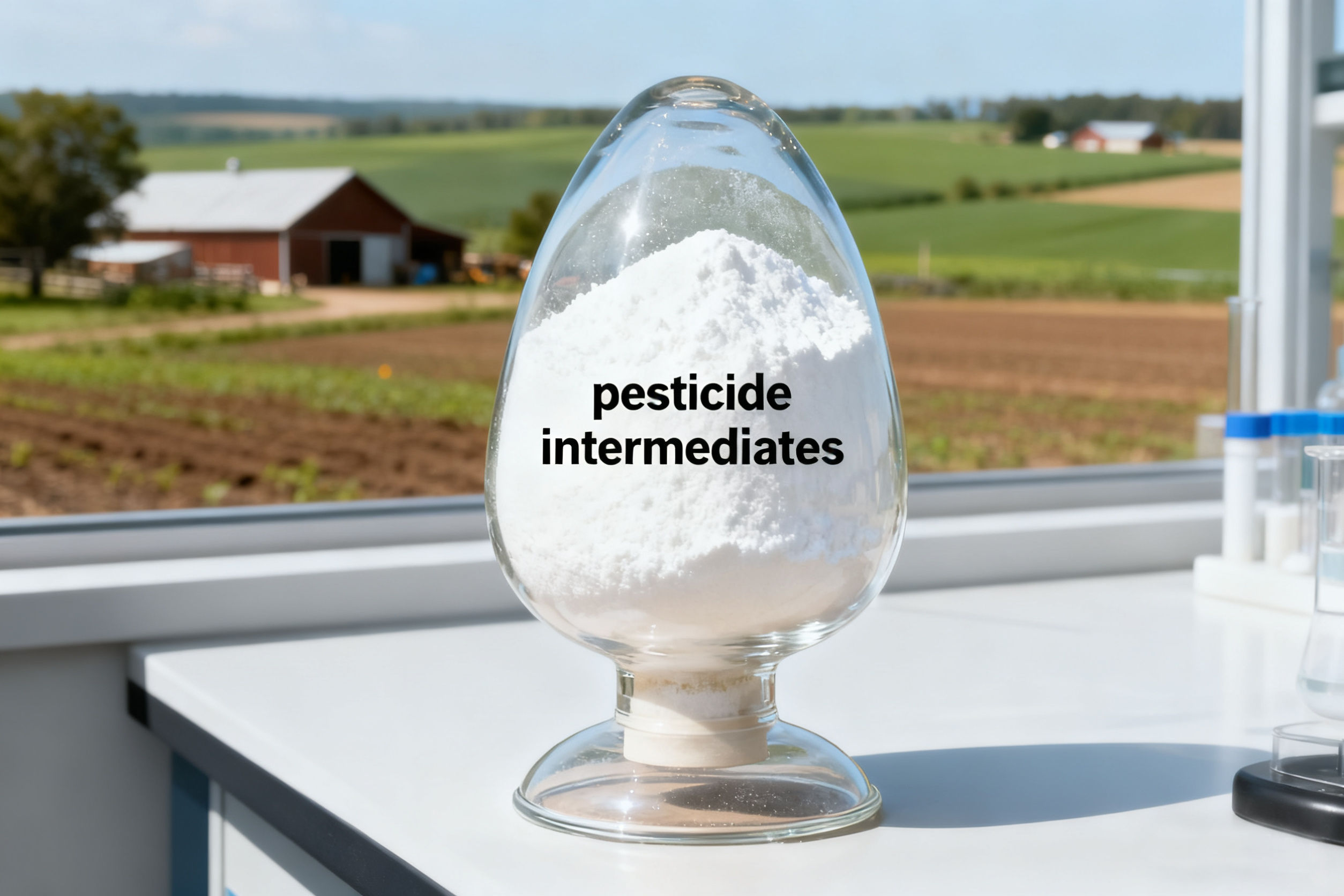
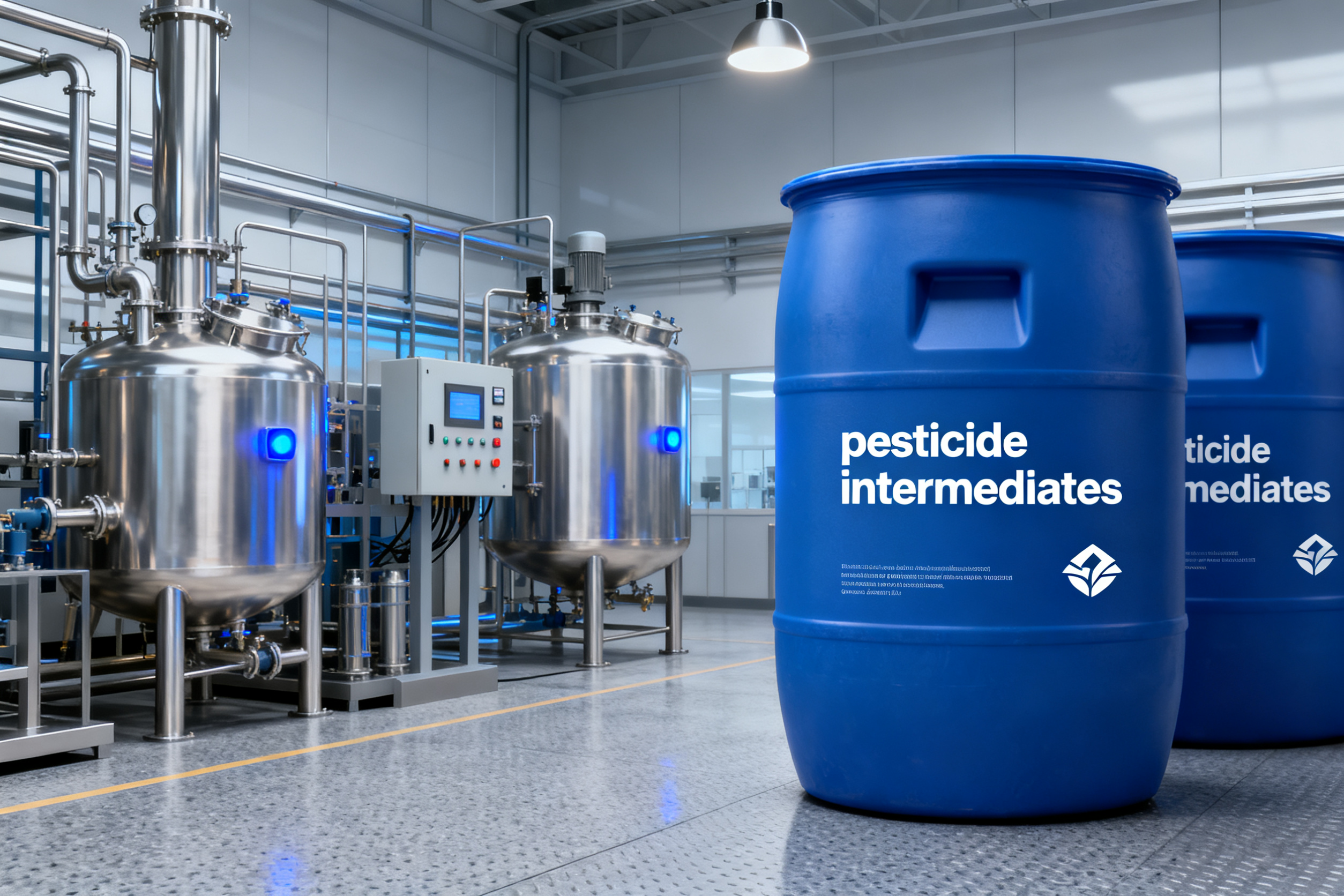
Pesticide intermediates for organic synthesis represent essential chemical compounds that serve as building blocks in the production of advanced agricultural protection products. These specialized intermediates function as crucial components in creating effective pesticides, herbicides, fungicides, and insecticides through sophisticated organic synthesis processes. The primary function of pesticide intermediates for organic synthesis involves providing reactive molecular structures that can be transformed into final active ingredients through controlled chemical reactions. These compounds typically contain specific functional groups such as aromatic rings, halogen substituents, nitrogen-containing heterocycles, and various reactive sites that enable further chemical modifications. The technological features of pesticide intermediates for organic synthesis include high purity levels, consistent molecular structures, and predictable reactivity patterns that ensure reliable downstream processing. Manufacturing processes employ advanced organic chemistry techniques including condensation reactions, cyclization procedures, halogenation methods, and selective functionalization approaches. Quality control measures ensure that each batch of pesticide intermediates for organic synthesis meets stringent specifications for purity, stability, and chemical composition. Applications span across multiple agricultural sectors including crop protection, post-harvest treatment, soil conditioning, and specialty agricultural chemicals. These intermediates enable the production of systemic pesticides, contact pesticides, and selective herbicides that target specific pests while minimizing environmental impact. The versatility of pesticide intermediates for organic synthesis allows manufacturers to develop customized solutions for various agricultural challenges, regional pest problems, and specific crop requirements. Advanced analytical techniques monitor the synthesis processes, ensuring optimal yield and minimal impurities in the final intermediate products. Storage and handling protocols maintain the integrity of pesticide intermediates for organic synthesis throughout the supply chain, preserving their reactive properties and extending shelf life for industrial applications.

Popular Products

Pesticide intermediates for organic synthesis offer significant cost-effectiveness compared to purchasing finished pesticide formulations, allowing manufacturers to optimize their production budgets while maintaining product quality standards. Companies can reduce manufacturing expenses by integrating these intermediates into their existing production lines, eliminating the need for complex multi-step synthesis from basic raw materials. The flexibility provided by pesticide intermediates for organic synthesis enables manufacturers to quickly adapt their product portfolios based on market demands, seasonal requirements, and emerging pest resistance patterns without substantial infrastructure investments. Quality consistency represents another major advantage, as these intermediates undergo rigorous testing and standardization processes that ensure batch-to-batch uniformity in chemical composition, purity levels, and reactive properties. This consistency translates directly into predictable final product performance, reducing formulation failures and improving customer satisfaction rates. Supply chain reliability benefits emerge from established production networks and inventory management systems that maintain steady availability of pesticide intermediates for organic synthesis throughout peak agricultural seasons. Manufacturers gain competitive advantages through faster time-to-market capabilities, as using these intermediates reduces synthesis complexity and accelerates product development cycles. Technical support services accompany pesticide intermediates for organic synthesis purchases, providing customers with formulation guidance, process optimization recommendations, and troubleshooting assistance that enhances overall production efficiency. Environmental compliance becomes more manageable when using certified pesticide intermediates for organic synthesis, as suppliers typically provide comprehensive documentation regarding safety profiles, environmental impact assessments, and regulatory compliance status. Innovation opportunities expand significantly as manufacturers can experiment with novel formulation approaches, combination products, and targeted delivery systems using these versatile chemical building blocks. Risk mitigation benefits include reduced exposure to volatile raw material markets, decreased dependency on complex synthesis capabilities, and improved production planning accuracy. The scalability of pesticide intermediates for organic synthesis allows companies to adjust production volumes efficiently, supporting both small-scale specialty products and large-volume commercial formulations without compromising economic viability or technical performance standards.

Tips And Tricks

Why Should Firms Partner With Reliable Veterinary API Suppliers?

28

Oct

Why Should Firms Partner With Reliable Veterinary API Suppliers?

The Strategic Value of Quality Veterinary API Partnerships The pharmaceutical landscape for animal health products continues to evolve rapidly, making the selection of veterinary API suppliers a critical decision for pharmaceutical companies. In toda...
View More
Why Are Antiparasitics Drugs Vital for Sustainable Agriculture?

28

Oct

Why Are Antiparasitics Drugs Vital for Sustainable Agriculture?

The Essential Role of Antiparasitic Medications in Modern Farming The agricultural sector faces unprecedented challenges in maintaining livestock health while pursuing sustainable practices. Antiparasitic drugs have emerged as a cornerstone of modern...
View More
How Are Digestive Drugs Adapting to Changing Dietary Habits?

31

Oct

How Are Digestive Drugs Adapting to Changing Dietary Habits?

The Evolution of Modern Digestive Medicine The landscape of digestive health is undergoing a remarkable transformation as our eating habits continue to evolve in the 21st century. Digestive drugs are rapidly adapting to meet the challenges posed by c...
View More
How Do Quality Standards Impact Levamisole Hydrochloride Procurement?

27

Nov

How Do Quality Standards Impact Levamisole Hydrochloride Procurement?

Quality standards play a pivotal role in pharmaceutical procurement, particularly when sourcing critical compounds like levamisole hydrochloride. This veterinary pharmaceutical ingredient demands rigorous adherence to established quality protocols to...
View More

Get a Free Quote

Our representative will contact you soon.
Email
Name
Company Name
Message
0/1000

pesticide intermediates for organic synthesis

Superior Chemical Purity and Consistency Standards

Superior Chemical Purity and Consistency Standards

Pesticide intermediates for organic synthesis maintain exceptional purity levels that directly impact the effectiveness and reliability of final agricultural products. Advanced purification techniques including crystallization, distillation, and chromatographic separation ensure that impurity levels remain below critical thresholds that could interfere with downstream synthesis reactions or compromise final product performance. The consistent molecular structure of pesticide intermediates for organic synthesis eliminates variability that often plagues in-house synthesis operations, where fluctuating reaction conditions can produce batches with varying purity profiles. Quality assurance protocols include comprehensive analytical testing using state-of-the-art instrumentation such as high-performance liquid chromatography, gas chromatography-mass spectrometry, and nuclear magnetic resonance spectroscopy to verify chemical identity and quantify impurity levels. This rigorous approach to quality control ensures that manufacturers receive pesticide intermediates for organic synthesis that meet or exceed industry specifications, reducing the likelihood of production failures and customer complaints. The economic benefits of superior purity standards become evident in improved reaction yields, reduced waste generation, and minimized need for additional purification steps in downstream processing. Manufacturers can rely on consistent performance characteristics when formulating final products, enabling more accurate predictions of biological activity, shelf life, and application effectiveness. Documentation packages accompanying high-purity pesticide intermediates for organic synthesis include detailed analytical certificates, stability data, and handling recommendations that support regulatory submissions and quality management systems. The investment in premium-grade intermediates pays dividends through enhanced product reputation, reduced technical support requirements, and improved customer loyalty in competitive agricultural markets. Long-term storage stability of high-purity pesticide intermediates for organic synthesis reduces inventory risks and enables efficient supply chain management, particularly important for seasonal agricultural production cycles.
Streamlined Production Integration and Process Optimization

Streamlined Production Integration and Process Optimization

The seamless integration of pesticide intermediates for organic synthesis into existing manufacturing processes represents a transformative advantage that enhances operational efficiency and reduces production complexity. These carefully engineered chemical building blocks are designed to be compatible with standard industrial equipment, eliminating the need for specialized synthesis apparatus or extensive facility modifications that would otherwise require substantial capital investments. Process optimization benefits emerge from the predictable reactivity patterns of pesticide intermediates for organic synthesis, allowing production teams to fine-tune reaction conditions, optimize catalyst usage, and minimize energy consumption while maintaining high conversion rates. The standardized nature of these intermediates enables manufacturers to develop robust standard operating procedures that reduce operator training requirements and minimize process variability across different production shifts and facilities. Integration advantages extend to quality control systems, where established testing protocols for pesticide intermediates for organic synthesis can be readily incorporated into existing analytical workflows without requiring new methodologies or equipment purchases. Production scheduling becomes more efficient as the reliable availability and consistent properties of pesticide intermediates for organic synthesis enable accurate capacity planning and inventory management strategies. The modular approach to synthesis using these intermediates allows manufacturers to implement flexible production campaigns that can quickly switch between different end products based on market demands or seasonal requirements. Technical documentation provided with pesticide intermediates for organic synthesis includes detailed process recommendations, safety guidelines, and troubleshooting procedures that accelerate implementation timelines and reduce the learning curve for production personnel. Environmental benefits accompany streamlined production processes, as optimized synthesis routes typically generate less waste, consume fewer resources, and produce fewer unwanted byproducts compared to traditional multi-step synthesis approaches. The scalability of production processes using pesticide intermediates for organic synthesis supports business growth strategies, enabling companies to increase output volumes without proportional increases in manufacturing complexity or overhead costs.
Enhanced Market Responsiveness and Product Innovation Capabilities

Enhanced Market Responsiveness and Product Innovation Capabilities

Pesticide intermediates for organic synthesis empower manufacturers with unprecedented agility to respond to evolving market conditions, emerging pest challenges, and changing regulatory landscapes that characterize the dynamic agricultural industry. This enhanced responsiveness stems from the versatile chemical structures of these intermediates, which serve as platforms for developing multiple product variations without requiring extensive reformulation from basic raw materials. Innovation capabilities expand significantly when manufacturers have access to diverse pesticide intermediates for organic synthesis, enabling rapid prototyping of new formulations, combination products, and targeted delivery systems that address specific agricultural challenges or market niches. The accelerated development timeline facilitated by these intermediates allows companies to capitalize on market opportunities more quickly than competitors who rely on traditional synthesis approaches, providing crucial competitive advantages in fast-moving agricultural markets. Regulatory compliance becomes more manageable when using established pesticide intermediates for organic synthesis, as suppliers typically maintain comprehensive safety databases, environmental impact studies, and toxicological profiles that support expedited regulatory submissions for new product approvals. Market differentiation opportunities emerge from the ability to create specialized formulations using unique combinations of pesticide intermediates for organic synthesis, enabling manufacturers to develop proprietary products that command premium pricing and build stronger customer loyalty. The flexibility to adjust product specifications, concentrations, and formulation characteristics allows manufacturers to serve diverse market segments ranging from large-scale commercial agriculture to specialty crop applications and organic farming operations. Technical support networks associated with pesticide intermediates for organic synthesis provide valuable market intelligence, regulatory updates, and application guidance that inform strategic product development decisions. Innovation partnerships between intermediate suppliers and manufacturers often yield breakthrough products that leverage cutting-edge chemistry and advanced application technologies. The reduced investment risk associated with using proven pesticide intermediates for organic synthesis encourages experimentation with novel approaches and emerging technologies that might be prohibitively expensive if developed from scratch using basic raw materials.

Get a Free Quote

Our representative will contact you soon.
Email
Name
Company Name
Message
0/1000