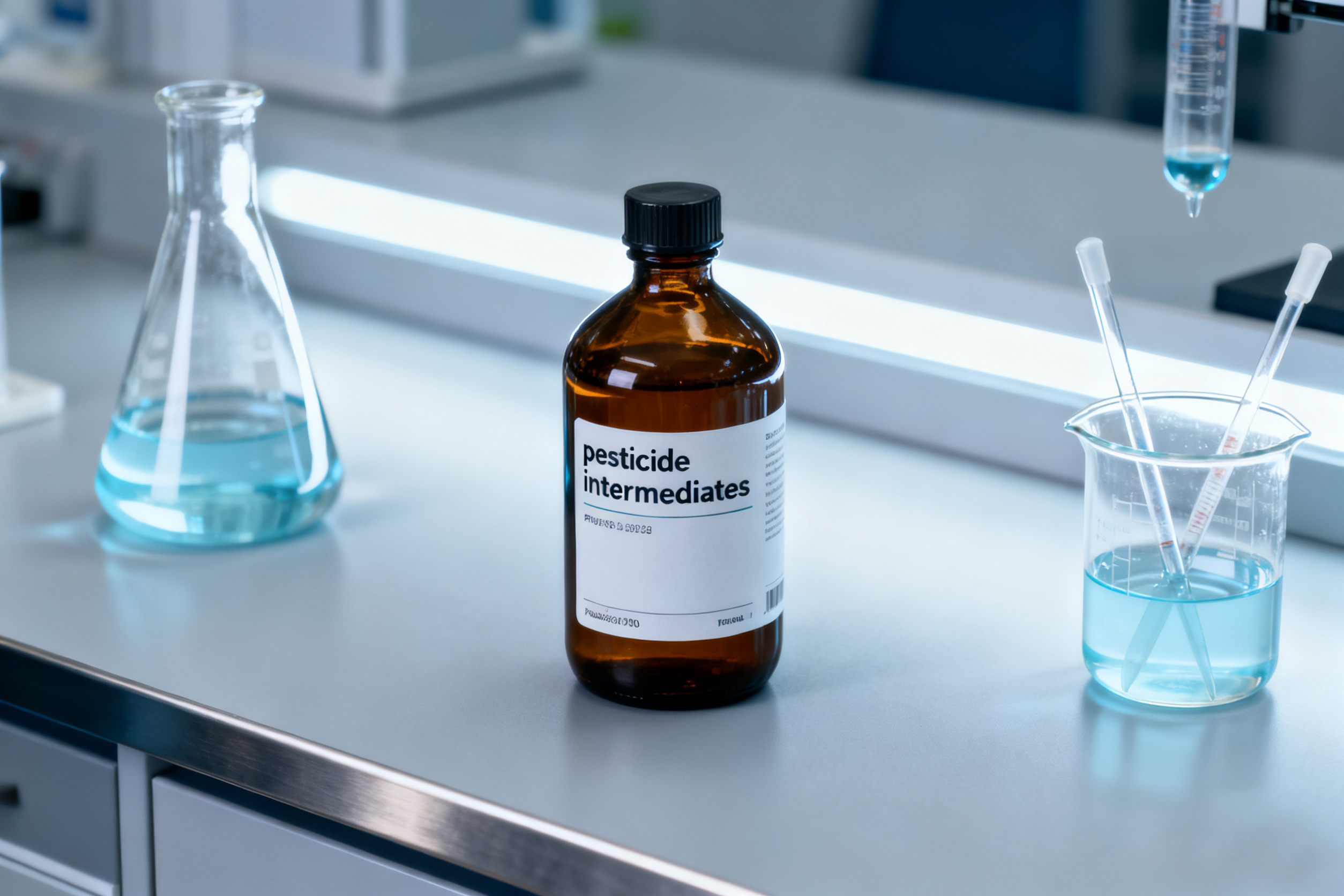
Leading Fine Chemical Intermediates Supplier - Custom Synthesis & Quality Solutions

All Categories

Get a Free Quote

Our representative will contact you soon.
Email
Name
Company Name
Message
0/1000

fine chemical intermediates supplier

A fine chemical intermediates supplier serves as a critical bridge between basic chemical production and specialized end-product manufacturing across multiple industries. These suppliers focus on producing high-purity chemical compounds that undergo further processing to create pharmaceuticals, agrochemicals, specialty polymers, electronic materials, and advanced industrial chemicals. The primary function of a fine chemical intermediates supplier revolves around manufacturing complex organic and inorganic molecules that require precise synthesis methods, stringent quality control, and specialized handling procedures. Modern fine chemical intermediates suppliers employ cutting-edge technologies including continuous flow chemistry, green synthesis methodologies, and automated reaction systems to ensure consistent product quality while maintaining cost-effectiveness. Their technological infrastructure typically encompasses state-of-the-art analytical laboratories equipped with advanced spectroscopic instruments, chromatography systems, and thermal analysis equipment to verify molecular structures and purity levels. The applications for fine chemical intermediates span numerous sectors, with pharmaceutical companies relying on these suppliers for active pharmaceutical ingredient precursors, custom synthesis of complex molecules, and scale-up services from laboratory to commercial production volumes. Agricultural chemical manufacturers depend on fine chemical intermediates suppliers for herbicide and pesticide precursors that require specialized organic chemistry expertise. Electronics and semiconductor industries utilize ultra-pure intermediates for manufacturing processes that demand exceptional cleanliness and molecular precision. The role of a fine chemical intermediates supplier extends beyond mere production to include technical consultation, regulatory compliance assistance, and custom synthesis services tailored to specific client requirements. These suppliers maintain extensive quality management systems, often certified to international standards, ensuring traceability and consistency throughout their manufacturing processes while supporting innovation across diverse chemical applications.
New Products

Working with an established fine chemical intermediates supplier offers numerous practical benefits that directly impact your business operations and bottom line. Cost reduction represents a primary advantage, as these suppliers leverage economies of scale and specialized equipment to produce intermediates more efficiently than most companies could achieve in-house. You eliminate the substantial capital investment required for specialized manufacturing equipment, dedicated facilities, and highly trained personnel while gaining access to production capabilities that would otherwise be prohibitively expensive to develop internally. Time savings constitute another significant benefit, with experienced fine chemical intermediates suppliers reducing development timelines from months to weeks through their established processes and proven methodologies. Their technical expertise accelerates problem-solving and optimization, allowing your team to focus on core competencies rather than chemical synthesis challenges. Quality assurance becomes more reliable when partnering with reputable suppliers who maintain rigorous testing protocols and quality control systems. These suppliers invest heavily in analytical equipment and employ specialized chemists who understand the nuances of intermediate production, resulting in consistent product specifications and reduced batch-to-batch variation. Regulatory compliance support provides invaluable assistance, as fine chemical intermediates suppliers stay current with changing regulations across multiple jurisdictions and can guide you through documentation requirements for various markets. Risk mitigation occurs through diversified supply chains and backup production capabilities that established suppliers maintain. Supply chain flexibility allows for scalable production volumes, enabling you to respond quickly to market demands without maintaining excess inventory or production capacity. Access to innovation represents another key advantage, as leading suppliers continuously invest in research and development, bringing new synthesis methods and improved processes to their clients. Environmental benefits emerge through shared resources and optimized processes that reduce waste and energy consumption per unit produced. Technical support services include troubleshooting, process optimization recommendations, and assistance with regulatory submissions. Geographic reach enables global supply consistency while maintaining local technical support and logistics coordination. These combined advantages allow companies to focus resources on product development and market expansion rather than chemical manufacturing complexities.

Tips And Tricks

How Do Veterinary API Drive Growth in Animal Health Pharmaceuticals?

28

Oct

How Do Veterinary API Drive Growth in Animal Health Pharmaceuticals?

The Evolution of APIs in Modern Veterinary Medicine The veterinary pharmaceutical industry has witnessed a remarkable transformation over the past decade, with veterinary API (Active Pharmaceutical Ingredients) emerging as the cornerstone of innovati...
View More
What Trends Are Driving Cardiovascular Drug Development?

31

Oct

What Trends Are Driving Cardiovascular Drug Development?

The Evolution of Modern Cardiovascular Medicine The landscape of cardiovascular drug development has undergone remarkable transformation in recent decades, reflecting both scientific advances and changing patient needs. From traditional therapies to ...
View More
How Can Cardiovascular Drugs Reduce Heart Disease Risk?

31

Oct

How Can Cardiovascular Drugs Reduce Heart Disease Risk?

Understanding the Impact of Modern Heart Medications The battle against heart disease continues to evolve with breakthrough developments in cardiovascular drugs. These powerful medications have transformed the landscape of cardiac care, offering hope...
View More
How Are Digestive Drugs Adapting to Changing Dietary Habits?

31

Oct

How Are Digestive Drugs Adapting to Changing Dietary Habits?

The Evolution of Modern Digestive Medicine The landscape of digestive health is undergoing a remarkable transformation as our eating habits continue to evolve in the 21st century. Digestive drugs are rapidly adapting to meet the challenges posed by c...
View More

Get a Free Quote

Our representative will contact you soon.
Email
Name
Company Name
Message
0/1000

fine chemical intermediates supplier

Advanced Custom Synthesis Capabilities

Advanced Custom Synthesis Capabilities

The custom synthesis capabilities of a modern fine chemical intermediates supplier represent a cornerstone service that transforms complex molecular challenges into scalable production solutions. These suppliers maintain sophisticated research and development laboratories staffed with experienced organic chemists, process engineers, and analytical specialists who collaborate to develop novel synthetic routes for challenging molecular targets. The process begins with feasibility studies where expert chemists evaluate proposed molecular structures, identify potential synthetic pathways, and assess commercial viability. Advanced computational chemistry tools assist in predicting reaction outcomes and optimizing conditions before laboratory work commences. The synthesis development process incorporates green chemistry principles, focusing on atom economy, reduced waste generation, and safer reagent selection to create environmentally responsible manufacturing processes. Scale-up expertise ensures that laboratory procedures translate effectively to pilot and commercial production scales, with careful consideration of heat transfer, mixing efficiency, and safety parameters. Quality by design principles guide development activities, building quality control measures directly into synthetic processes rather than relying solely on end-product testing. Analytical method development runs parallel to synthesis development, creating robust testing procedures that ensure product identity, purity, and consistency throughout production campaigns. Documentation standards meet regulatory requirements for pharmaceutical and other highly regulated industries, providing complete batch records, validation data, and regulatory support files. Intellectual property protection protocols safeguard client proprietary information while enabling collaborative development relationships. Project management systems ensure clear communication, defined timelines, and regular progress reporting throughout synthesis development projects. Risk assessment procedures identify potential hazards and implement appropriate safety measures during development and production phases. Continuous improvement processes incorporate lessons learned from each project to enhance future synthesis development capabilities and efficiency.
Comprehensive Quality Control and Assurance Systems

Comprehensive Quality Control and Assurance Systems

Quality control and assurance systems implemented by professional fine chemical intermediates suppliers exceed industry standards through integrated approaches that monitor every aspect of production from raw material receipt to final product shipment. These comprehensive systems begin with incoming material qualification procedures that verify the identity, purity, and specifications of all raw materials before they enter production areas. Supplier qualification programs ensure that upstream vendors meet stringent quality requirements and maintain consistent supply chain reliability. In-process monitoring utilizes real-time analytical techniques to track reaction progress, identify deviations, and implement corrective actions before they impact final product quality. Advanced analytical instrumentation including high-resolution mass spectrometry, nuclear magnetic resonance spectroscopy, and high-performance liquid chromatography provides detailed molecular characterization that confirms product identity and quantifies impurity levels. Environmental monitoring systems track temperature, humidity, air quality, and other critical parameters that could influence product stability or purity. Personnel training programs ensure that all operators understand quality procedures, recognize potential quality issues, and respond appropriately to maintain product standards. Batch record systems provide complete traceability from raw materials through final packaging, enabling rapid investigation of quality concerns and supporting regulatory audit requirements. Stability testing programs evaluate product performance under various storage conditions, providing shelf-life data and storage recommendations that ensure product integrity throughout the supply chain. Customer complaint investigation procedures rapidly identify root causes of quality issues and implement systematic corrections to prevent recurrence. Validation activities confirm that manufacturing processes consistently produce products meeting predetermined specifications. Change control systems ensure that process modifications undergo appropriate review and approval before implementation. Statistical process control techniques identify trends and variations that could indicate emerging quality issues. Continuous monitoring and improvement programs drive ongoing enhancements to quality systems and manufacturing processes.
Flexible Production Scaling and Supply Chain Management

Flexible Production Scaling and Supply Chain Management

Flexible production scaling and sophisticated supply chain management distinguish leading fine chemical intermediates suppliers through their ability to adapt production volumes to meet changing customer demands while maintaining consistent quality and competitive pricing. This flexibility stems from modular manufacturing approaches that utilize multipurpose equipment configurations capable of handling diverse chemical processes and varying batch sizes. Campaign planning systems optimize production schedules to accommodate multiple products while minimizing changeover times and cross-contamination risks. Inventory management strategies balance just-in-time delivery requirements with production efficiency and cost optimization, maintaining strategic raw material stocks while avoiding excess inventory carrying costs. Demand forecasting techniques utilize historical data, market intelligence, and customer input to predict future requirements and adjust production capacity accordingly. Partnership networks with toll manufacturers and specialized service providers extend production capabilities beyond in-house capacity, enabling rapid response to unexpected demand increases or specialized processing requirements. Supply chain diversification includes multiple suppliers for critical raw materials, reducing dependency risks and ensuring continuity of supply even during market disruptions. Geographic distribution of manufacturing facilities provides regional supply security while optimizing transportation costs and delivery times. Technology investments in process automation and digitalization enable rapid production adjustments without compromising quality or safety standards. Risk management protocols identify potential supply chain vulnerabilities and establish contingency plans for various disruption scenarios. Regulatory compliance coordination ensures that supply chain partners meet applicable quality and regulatory standards across different jurisdictions. Logistics optimization incorporates specialized handling requirements for chemical products, including temperature control, hazardous material procedures, and regulatory documentation for international shipments. Customer communication systems provide real-time visibility into production schedules, inventory levels, and shipment tracking information. Sustainability initiatives focus on reducing environmental impact throughout the supply chain while maintaining operational efficiency. Performance metrics and key performance indicators monitor supply chain effectiveness and identify opportunities for continuous improvement. Strategic partnerships with logistics providers ensure reliable transportation and distribution capabilities that support customer satisfaction and business growth.

Get a Free Quote

Our representative will contact you soon.
Email
Name
Company Name
Message
0/1000