Complete Guide to Silicone Oil Use: Applications, Benefits, and Performance Advantages

All Categories

Get a Free Quote

Our representative will contact you soon.
Email
Name
Company Name
Message
0/1000

silicone oil use

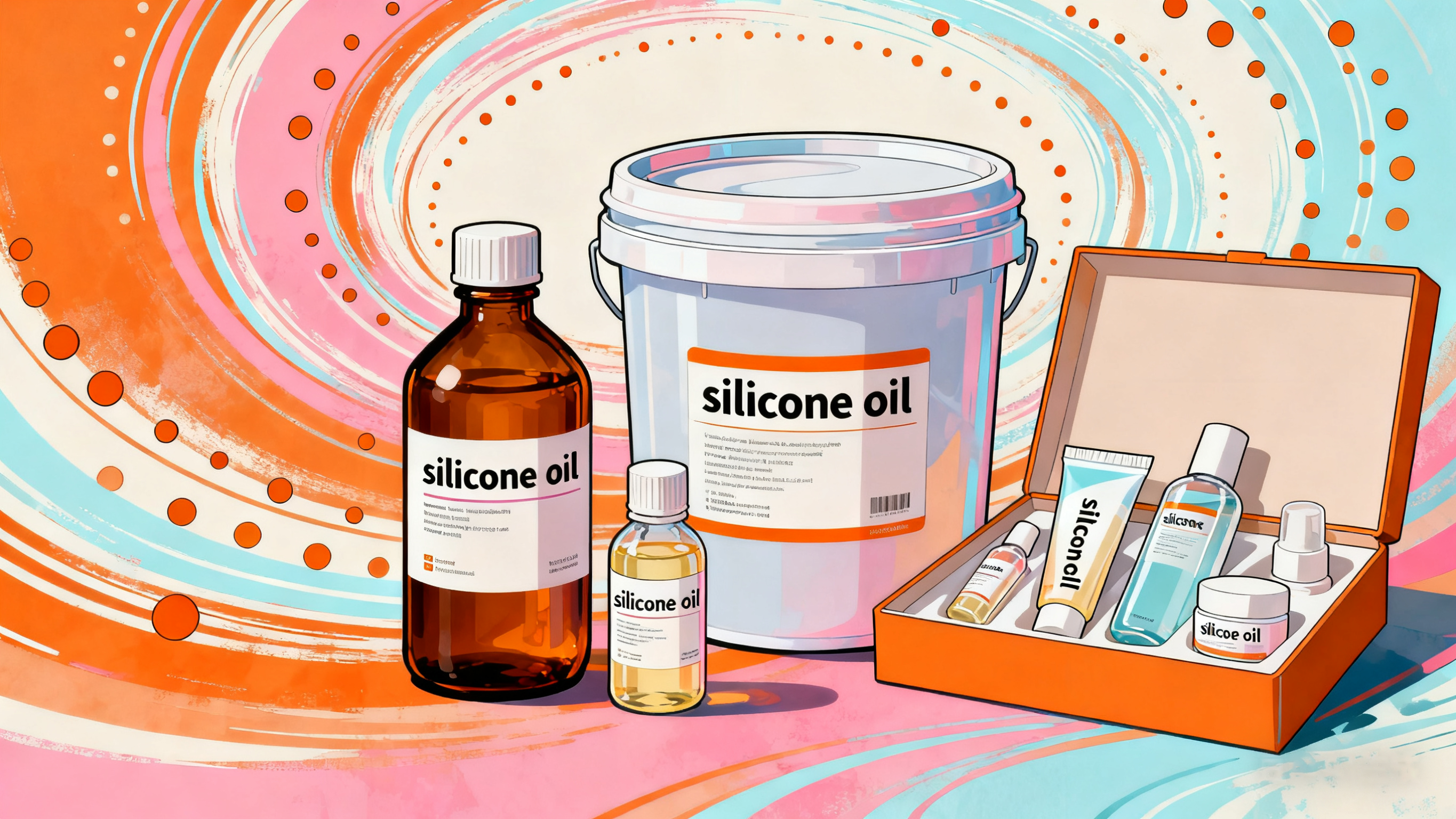
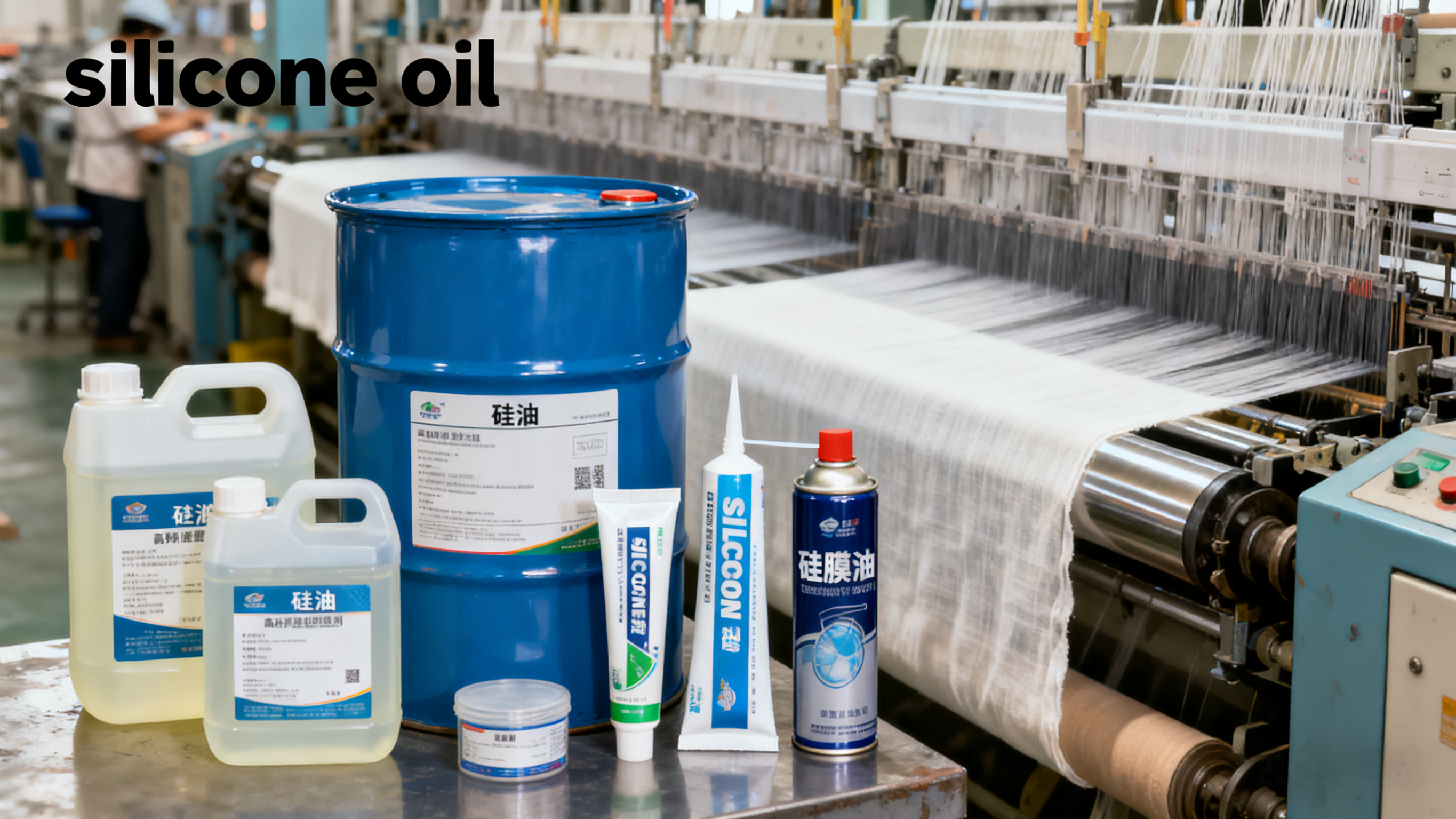
Silicone oil use encompasses a wide range of industrial, commercial, and consumer applications due to its exceptional chemical and physical properties. This versatile synthetic polymer serves as a fundamental component in numerous manufacturing processes, offering superior performance characteristics that make it indispensable across multiple industries. The primary functions of silicone oil use include lubrication, heat transfer, dielectric insulation, and surface treatment applications. Its molecular structure provides remarkable thermal stability, allowing it to maintain consistent viscosity across extreme temperature ranges from minus 50 degrees Celsius to over 200 degrees Celsius. The technological features that distinguish silicone oil use from conventional petroleum-based oils include exceptional oxidation resistance, low surface tension, hydrophobic properties, and excellent electrical insulation capabilities. These characteristics make silicone oil use particularly valuable in electronic manufacturing, automotive systems, aerospace components, and medical device production. Industrial applications span from hydraulic fluid systems in heavy machinery to precision instrument calibration in scientific equipment. The cosmetic industry relies heavily on silicone oil use for creating smooth-textured products, hair care formulations, and skin conditioning treatments. In manufacturing processes, silicone oil use serves as an effective mold release agent, preventing adhesion while ensuring clean part separation. The pharmaceutical sector utilizes silicone oil use in drug delivery systems, medical implants, and laboratory equipment maintenance. Food processing facilities depend on silicone oil use for conveyor belt lubrication and equipment maintenance, where food-grade safety standards are paramount. Electronic component manufacturing requires silicone oil use for thermal management, component protection, and assembly processes. The versatility of silicone oil use extends to textile treatment, where it provides water repellency and fabric softening properties without compromising breathability or durability.

New Products

The advantages of silicone oil use become immediately apparent when compared to traditional alternatives, delivering measurable benefits that translate into cost savings and operational efficiency. Temperature stability represents the most significant advantage, as silicone oil use maintains consistent performance across extreme temperature variations without degrading or losing effectiveness. This thermal resilience eliminates frequent replacement schedules and reduces maintenance downtime, providing substantial cost benefits for industrial operations. Chemical inertness ensures that silicone oil use resists reaction with most chemicals, metals, and materials, preventing corrosion and extending equipment lifespan significantly. Users experience reduced maintenance costs and improved reliability when implementing silicone oil use in their systems. The low volatility characteristic means minimal evaporation occurs during operation, maintaining fluid levels and reducing the need for constant replenishment. This feature proves particularly valuable in sealed systems where accessibility for maintenance remains limited. Environmental safety represents another compelling advantage, as silicone oil use demonstrates excellent biocompatibility and poses minimal environmental risks compared to petroleum-based alternatives. Regulatory compliance becomes simpler when using silicone oil use in food processing, medical applications, and consumer products. The exceptional dielectric properties make silicone oil use ideal for electrical applications, providing superior insulation while preventing electrical failures and equipment damage. Users benefit from enhanced safety and reduced risk of costly electrical accidents. Versatility allows single-source procurement, as silicone oil use serves multiple functions within the same facility, simplifying inventory management and reducing procurement complexity. The hydrophobic nature provides excellent water repellency, protecting sensitive components from moisture damage and corrosion. Processing efficiency improves when silicone oil use serves as a release agent, reducing cycle times and improving product quality in manufacturing operations. Long service life translates to fewer change-outs and reduced disposal costs, contributing to sustainable operations while maintaining optimal performance standards. These practical advantages make silicone oil use an economically sound choice for forward-thinking organizations seeking reliable, efficient solutions.

Tips And Tricks

How Do Veterinary API Drive Growth in Animal Health Pharmaceuticals?

28

Oct

How Do Veterinary API Drive Growth in Animal Health Pharmaceuticals?

The Evolution of APIs in Modern Veterinary Medicine The veterinary pharmaceutical industry has witnessed a remarkable transformation over the past decade, with veterinary API (Active Pharmaceutical Ingredients) emerging as the cornerstone of innovati...
View More
How Do Antiparasitics Drugs Help Improve Livestock Productivity?

28

Oct

How Do Antiparasitics Drugs Help Improve Livestock Productivity?

Understanding the Impact of Parasites on Livestock Health and Production The livestock industry faces numerous challenges in maintaining optimal animal health and productivity, with parasitic infections being one of the most significant threats. Thes...
View More
Can Cardiovascular Drugs Play a Role in Preventive Medicine Programs?

31

Oct

Can Cardiovascular Drugs Play a Role in Preventive Medicine Programs?

Understanding the Impact of Heart Medications in Disease Prevention The integration of cardiovascular drugs into preventive medicine represents a significant shift in how we approach heart health management. Rather than waiting for cardiovascular dis...
View More
How Do Emerging Markets Influence Pharmaceutical Raw Material Supply Chains?

27

Nov

How Do Emerging Markets Influence Pharmaceutical Raw Material Supply Chains?

The global pharmaceutical industry has witnessed unprecedented transformation as emerging markets reshape the landscape of raw material sourcing and supply chain dynamics. These rapidly developing economies have become pivotal players in determining ...
View More

Get a Free Quote

Our representative will contact you soon.
Email
Name
Company Name
Message
0/1000

silicone oil use

Superior Thermal Performance and Stability

Superior Thermal Performance and Stability

The exceptional thermal performance of silicone oil use sets it apart from conventional lubricants and heat transfer fluids, making it the preferred choice for applications requiring consistent performance across extreme temperature ranges. Unlike petroleum-based oils that break down or become viscous at low temperatures and degrade at high temperatures, silicone oil use maintains its molecular integrity and fluid characteristics from minus 50 degrees Celsius to over 200 degrees Celsius. This remarkable temperature stability stems from the strong silicon-oxygen backbone that forms the molecular foundation of silicone polymers, creating bonds that resist thermal degradation and maintain structural integrity under stress. Manufacturing facilities benefit enormously from this thermal reliability, as equipment operates consistently regardless of seasonal temperature variations or process heat generation. The automotive industry leverages silicone oil use in brake systems, where temperature fluctuations from normal operation to emergency braking scenarios can exceed 300 degrees Celsius within seconds. Aerospace applications demand materials that function reliably at altitude where temperatures plummet, then operate efficiently during high-speed flight where friction generates intense heat. Electronic cooling systems rely on silicone oil use to dissipate heat from processors and components without degrading or forming deposits that reduce thermal transfer efficiency. Food processing equipment utilizes silicone oil use in ovens, freezers, and packaging machinery where temperature cycling occurs continuously throughout production schedules. The pharmaceutical industry depends on this thermal stability for equipment that must maintain precise temperature control during drug manufacturing processes. Laboratory instruments require calibration fluids that remain stable across temperature ranges, ensuring accurate measurements and reliable results. Power generation facilities use silicone oil use in transformer cooling systems where electrical load variations create significant temperature swings. The cost implications of this thermal stability extend beyond mere fluid replacement, encompassing reduced maintenance schedules, decreased equipment wear, extended component lifecycles, and improved operational reliability that translates into measurable productivity gains and reduced total ownership costs.
Exceptional Chemical Compatibility and Safety Profile

Exceptional Chemical Compatibility and Safety Profile

The chemical inertness and safety profile of silicone oil use provide unprecedented versatility across industries where material compatibility and worker safety remain paramount concerns. Unlike conventional oils that react with metals, plastics, and chemicals, silicone oil use demonstrates remarkable chemical stability, resisting oxidation, corrosion, and degradation when exposed to acids, bases, solvents, and reactive compounds commonly found in industrial environments. This chemical compatibility eliminates concerns about material compatibility issues that plague traditional lubricants and fluids, allowing engineers and maintenance personnel to specify silicone oil use with confidence across diverse applications. Medical device manufacturing relies heavily on this biocompatibility, as silicone oil use meets stringent FDA requirements for materials that contact human tissue or bodily fluids. Implantable devices, surgical instruments, and diagnostic equipment utilize silicone oil use without risk of adverse reactions or tissue rejection. Food processing facilities benefit from food-grade formulations of silicone oil use that meet USDA approval standards, ensuring consumer safety while maintaining equipment performance. The cosmetic industry depends on this safety profile for products applied directly to skin and hair, where irritation or allergic reactions could result in costly recalls and liability issues. Pharmaceutical manufacturing requires materials that won't contaminate drug products or interfere with active ingredients, making silicone oil use essential for equipment lubrication and processing aids. Electronic manufacturing benefits from the non-conductive properties that prevent electrical shorts while providing necessary lubrication for moving components. Environmental safety considerations make silicone oil use attractive for outdoor applications where spills or leaks might occur, as biodegradation occurs without harmful environmental impact. Workplace safety improves significantly when using silicone oil use, as lower toxicity reduces health risks for workers handling the material during maintenance and operations. Regulatory compliance becomes streamlined when facilities use silicone oil use, as documentation and safety data sheets demonstrate commitment to worker protection and environmental stewardship, often satisfying multiple regulatory requirements simultaneously.
Outstanding Lubrication Performance and Equipment Protection

Outstanding Lubrication Performance and Equipment Protection

The superior lubrication characteristics of silicone oil use deliver exceptional equipment protection and performance enhancement that extends machinery lifespan while reducing operational costs and maintenance requirements. The unique molecular structure creates a lubricating film that maintains consistent thickness and coverage even under extreme pressure and high-speed conditions, providing reliable protection for critical moving components. Unlike conventional lubricants that thin out under heat or thicken in cold conditions, silicone oil use maintains optimal viscosity characteristics across operating temperature ranges, ensuring consistent lubrication performance regardless of environmental conditions. Precision manufacturing equipment relies on this consistent lubrication to maintain tight tolerances and surface finish quality that determines product acceptability. High-speed machinery benefits from the low friction coefficient of silicone oil use, which reduces energy consumption while minimizing wear and heat generation during operation. The film strength of silicone oil use prevents metal-to-metal contact even under boundary lubrication conditions where fluid films become extremely thin, protecting expensive components from scoring, galling, and premature failure. Hydraulic systems utilizing silicone oil use experience improved response times and smoother operation due to consistent viscosity and excellent flow characteristics that enhance system efficiency. Bearing applications demonstrate extended service life when protected by silicone oil use, as the stable lubricant film prevents contamination and maintains separation between rolling elements and raceways. Gear systems operate more quietly and efficiently with silicone oil use, reducing noise levels and improving power transmission efficiency while extending gear tooth life. Valve assemblies benefit from the non-gumming properties that prevent sticky operation and ensure reliable sealing performance over extended service periods. Pneumatic systems utilize silicone oil use for component lubrication without risk of downstream contamination that could affect sensitive instruments or processes. The water-resistant properties protect equipment in humid environments where conventional lubricants might emulsify or wash away, maintaining protection during washdown procedures or outdoor exposure. Cost analysis consistently demonstrates that the higher initial investment in silicone oil use pays dividends through reduced maintenance frequency, extended equipment life, improved efficiency, and decreased unplanned downtime that disrupts production schedules and impacts profitability.

Get a Free Quote

Our representative will contact you soon.
Email
Name
Company Name
Message
0/1000