 EN
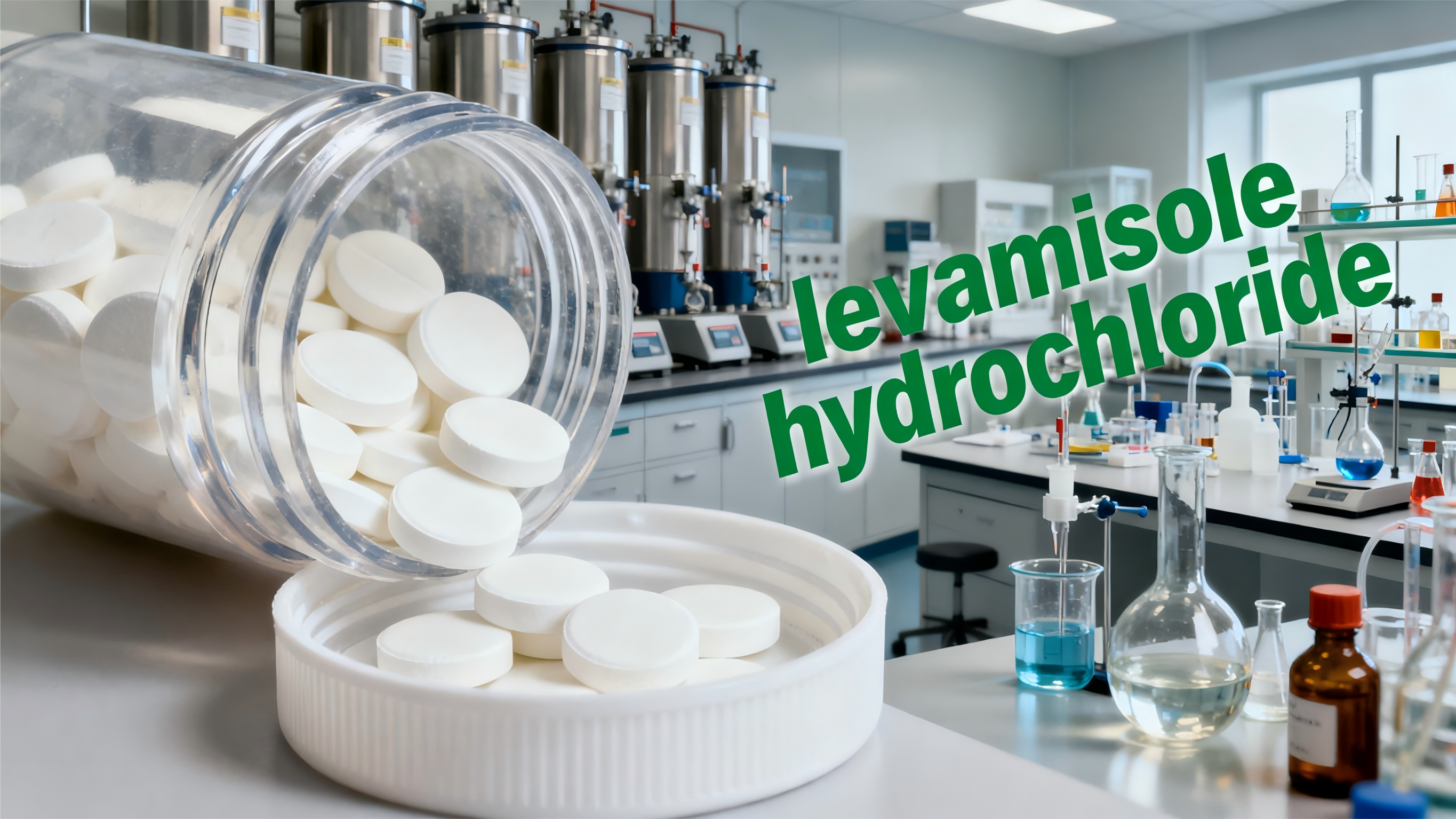
The global anthelmintic pharmaceutical market depends on consistent, high-quality active pharmaceutical ingredients to manufacture effective parasitic treatments. Among the most critical components in this ecosystem is levamisole hydrochloride, a trusted anthelmintic API that has proven essential for veterinary and human health applications worldwide. Understanding how levamisole hydrochloride supports and strengthens anthelmintic API supply chains reveals why pharmaceutical manufacturers, formulators, and distributors prioritize this ingredient for their production workflows and regulatory compliance strategies.
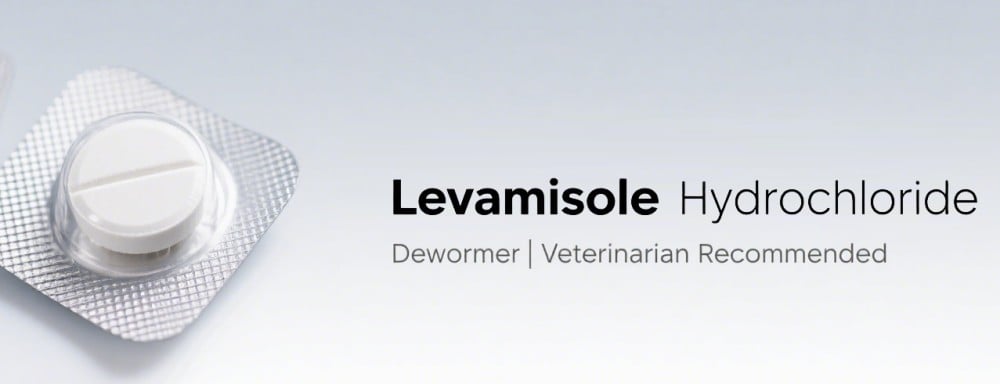
Levamisole hydrochloride supply reliability directly influences how quickly manufacturers can scale production, meet regulatory timelines, and respond to market demand. When sourcing levamisole hydrochloride from dependable suppliers, pharmaceutical companies gain access to consistent batch specifications, documented chain-of-custody records, and verified manufacturing processes that align with international quality standards. This foundation allows entire supply chains to operate with greater predictability and reduced risk of production delays or regulatory rejections.
Role of Levamisole Hydrochloride in API Supply Chain Stability
Ensuring Consistent Quality and Purity Standards
Levamisole hydrochloride serves as a critical control point in anthelmintic API supply chains because its purity, potency, and microbiological profile directly determine the safety and efficacy of finished pharmaceuticals. Manufacturers rely on levamisole hydrochloride batches with documented Certificate of Analysis (CoA) reports that confirm heavy metal levels, moisture content, particle size distribution, and microbial contamination thresholds. When sourcing levamisole hydrochloride from ISO 9001 and GMP-certified suppliers, pharmaceutical companies establish a foundation of trust that allows downstream formulators to proceed with manufacturing confidence and reduce the likelihood of batch failures or rework cycles.
Supporting Regulatory Compliance and Documentation
Regulatory bodies including the FDA, EMA, and regional pharmaceutical authorities require complete traceability and documentation for every active ingredient used in anthelmintic formulations. Levamisole hydrochloride sourced from compliant suppliers comes with comprehensive documentation including manufacturing process details, impurity profiles, stability studies, and supply chain origin verification. This transparency means that when pharmaceutical manufacturers incorporate levamisole hydrochloride into their anthelmintic products, they maintain the audit trails and evidence necessary to satisfy regulatory inspections, dossier submissions, and post-market surveillance requirements without delay.
Levamisole Hydrochloride Supply Chain Economics and Risk Management
Minimizing Production Delays Through Reliable Sourcing
Production schedules in pharmaceutical manufacturing depend on predictable raw material availability and consistent quality, which is why reliable levamisole hydrochloride sourcing becomes a strategic business decision rather than a simple procurement transaction. Companies that partner with stable levamisole hydrochloride suppliers benefit from improved inventory planning, reduced expedited freight costs, and fewer emergency sourcing episodes that would otherwise disrupt the entire anthelmintic API supply chain. When levamisole hydrochloride arrives on schedule with verified specifications, manufacturers can execute manufacturing campaigns on time, fulfill customer orders reliably, and maintain competitive pricing in an increasingly demanding market.
Building Supplier Relationships for Long-Term Chain Resilience
Anthelmintic API supply chains that depend on single-source levamisole hydrochloride face vulnerability to supplier disruptions, geopolitical events, or quality incidents. Strategic pharmaceutical buyers develop relationships with multiple qualified levamisole hydrochloride suppliers, establish framework agreements with clear specifications, and maintain strategic inventory buffers to insulate their operations from market shocks. This approach strengthens the entire anthelmintic supply chain by distributing risk, ensuring continuity, and creating competitive tension that encourages suppliers to maintain high quality standards and competitive pricing for levamisole hydrochloride across all shipments.
Levamisole Hydrochloride Application Versatility Across Anthelmintic Markets
Serving Diverse Formulation and Therapeutic Needs
Levamisole hydrochloride supports anthelmintic supply chains by addressing multiple therapeutic applications, from veterinary livestock treatments to human parasitic infection therapy. This versatility means that levamisole hydrochloride suppliers serve a broad customer base across different regulatory jurisdictions, each with distinct manufacturing standards and quality requirements. Pharmaceutical companies manufacturing levamisole hydrochloride-based tablets, suspensions, or injectable formulations require suppliers who understand these diverse application contexts and can provide levamisole hydrochloride that meets both general pharmacopeial standards and specialized formulation requirements unique to each therapeutic segment.
Enabling Global Market Access and Scalability
Manufacturers seeking to expand anthelmintic product distribution into new geographic markets require consistent levamisole hydrochloride supply that maintains quality across international shipments and storage conditions. Reliable levamisole hydrochloride sourcing enables pharmaceutical companies to establish manufacturing footprints in multiple regions, scale production without compromising quality, and meet surge demand during disease outbreaks or seasonal market peaks. When levamisole hydrochloride sourcing is secure and internationally compliant, the entire anthelmintic API supply chain gains flexibility to respond to market opportunities, geographic shifts in demand, and emerging health threats across diverse populations and veterinary sectors worldwide.
FAQ
What specific quality standards should levamisole hydrochloride suppliers meet?
Levamisole hydrochloride suppliers should maintain ISO 9001 certification, GMP compliance according to ICH guidelines, and provide complete analytical documentation including Certificate of Analysis, stability data, and impurity profiles. Suppliers should also demonstrate compliance with USP, EP, or other recognized pharmacopeial standards relevant to your target markets. Verification of manufacturing facilities through audit, inspection reports, or third-party certification adds confidence that levamisole hydrochloride batches consistently meet your formulation requirements and regulatory obligations.
How does levamisole hydrochloride sourcing impact anthelmintic product pricing?
Levamisole hydrochloride represents a significant cost component in anthelmintic formulations, typically ranging from 20 to 40 percent of total raw material expense depending on the final product type and therapeutic application. Competitive levamisole hydrochloride sourcing from multiple qualified suppliers creates pricing transparency and enables pharmaceutical manufacturers to negotiate favorable terms while maintaining quality standards. Supply chain reliability also reduces waste, rework costs, and expedited procurement expenses, so investing in stable levamisole hydrochloride sourcing relationships ultimately improves overall product economics and market competitiveness.
Can levamisole hydrochloride sourcing adapt to regulatory changes across different markets?
Advanced levamisole hydrochloride suppliers maintain flexibility to adjust manufacturing parameters, documentation, and testing protocols in response to evolving regulatory requirements in different jurisdictions. Partners with levamisole hydrochloride expertise can guide pharmaceutical companies through regulatory transitions, help manage dossier updates when standards change, and ensure that levamisole hydrochloride batches remain compliant across multiple geographic markets simultaneously. This adaptive capacity protects your anthelmintic supply chain from regulatory surprises and allows seamless expansion into new territories without supply disruption or quality compromise.