Advanced Glyoxylic Acid Synthesis Technology - Efficient Chemical Production Solutions

All Categories

Get a Free Quote

Our representative will contact you soon.
Email
Name
Company Name
Message
0/1000

glyoxylic acid synthesis

Glyoxylic acid synthesis represents a crucial chemical manufacturing process that produces one of the most versatile organic compounds in modern industry. This dicarboxylic acid, with the molecular formula C2H2O3, serves as an essential building block for numerous chemical applications across pharmaceutical, cosmetic, and industrial sectors. The glyoxylic acid synthesis process involves several sophisticated methodologies, each designed to maximize yield while maintaining product purity and cost-effectiveness. The primary synthesis routes include oxidation of glyoxal, ozonolysis of maleic acid, and electrolytic reduction of oxalic acid, with each method offering distinct advantages depending on the intended application and scale of production. Modern glyoxylic acid synthesis facilities employ advanced catalytic systems that enhance reaction efficiency and minimize environmental impact. These technological innovations have revolutionized the production landscape, enabling manufacturers to achieve higher conversion rates while reducing energy consumption and waste generation. The synthesis process typically operates under controlled temperature and pressure conditions, utilizing specialized reactor designs that ensure optimal contact between reactants and catalysts. Quality control measures integrated throughout the glyoxylic acid synthesis process guarantee consistent product specifications, meeting stringent industry standards for purity and performance. The resulting glyoxylic acid finds extensive applications in pharmaceutical intermediates, where it serves as a precursor for various active pharmaceutical ingredients. Additionally, the compound plays a vital role in cosmetic formulations, particularly in anti-aging products and skin conditioning agents. Industrial applications of glyoxylic acid include textile processing, leather treatment, and polymer modification. The synthesis process has undergone continuous refinement, incorporating green chemistry principles to reduce environmental footprint while maintaining economic viability. Advanced monitoring systems enable real-time process optimization, ensuring maximum efficiency and product quality throughout the glyoxylic acid synthesis operation.

New Product Releases

The glyoxylic acid synthesis process delivers exceptional value through its remarkable efficiency and versatility, making it an ideal choice for businesses seeking reliable chemical production solutions. Companies benefit from significantly reduced production costs due to optimized reaction pathways that minimize raw material consumption and energy requirements. The synthesis process achieves impressive conversion rates, typically exceeding 95 percent yield under optimal conditions, which translates directly into improved profitability and resource utilization. Manufacturing facilities appreciate the streamlined operations enabled by modern glyoxylic acid synthesis technologies, which require minimal manual intervention and offer excellent process stability. The automated control systems reduce labor costs while ensuring consistent product quality, eliminating batch-to-batch variations that can affect downstream applications. Environmental compliance becomes effortless with advanced synthesis methods that produce minimal waste and operate with reduced carbon footprint compared to traditional chemical processes. The scalability of glyoxylic acid synthesis allows businesses to adjust production volumes according to market demand without significant capital investments or process modifications. Quality assurance benefits include superior product purity levels that meet or exceed international standards, reducing the need for extensive purification steps and associated costs. The synthesis process demonstrates excellent compatibility with existing manufacturing infrastructure, enabling smooth integration without major facility modifications or equipment replacements. Maintenance requirements remain minimal due to the robust nature of modern synthesis equipment and the absence of harsh operating conditions that typically cause rapid equipment degradation. Supply chain reliability improves significantly as companies can establish predictable production schedules and maintain consistent inventory levels through dependable synthesis operations. The process offers exceptional flexibility in production planning, allowing manufacturers to respond quickly to changing market conditions and customer requirements. Safety standards exceed industry benchmarks through inherent process design features that minimize risks associated with hazardous materials handling and storage. Economic benefits extend beyond direct production savings to include reduced insurance costs, lower regulatory compliance expenses, and improved overall operational efficiency that enhances competitive positioning in the marketplace.

Latest News

What Factors Should Companies Consider in Selecting Veterinary API?

28

Oct

What Factors Should Companies Consider in Selecting Veterinary API?

Understanding the Critical Role of Pharmaceutical APIs in Veterinary Medicine The veterinary pharmaceutical industry has witnessed remarkable growth in recent years, with increasing focus on the quality and efficacy of animal medications. At the hear...
View More
How Are Digestive Drugs Adapting to Changing Dietary Habits?

31

Oct

How Are Digestive Drugs Adapting to Changing Dietary Habits?

The Evolution of Modern Digestive Medicine The landscape of digestive health is undergoing a remarkable transformation as our eating habits continue to evolve in the 21st century. Digestive drugs are rapidly adapting to meet the challenges posed by c...
View More
What Should Manufacturers Consider When Selecting Silane Coupling Agents?

27

Nov

What Should Manufacturers Consider When Selecting Silane Coupling Agents?

Manufacturing industries across the globe rely on advanced chemical solutions to enhance product performance, durability, and cost-effectiveness. Among these critical materials, silane coupling agents have emerged as essential components for improvin...
View More
How Do Emerging Markets Influence Pharmaceutical Raw Material Supply Chains?

27

Nov

How Do Emerging Markets Influence Pharmaceutical Raw Material Supply Chains?

The global pharmaceutical industry has witnessed unprecedented transformation as emerging markets reshape the landscape of raw material sourcing and supply chain dynamics. These rapidly developing economies have become pivotal players in determining ...
View More

Get a Free Quote

Our representative will contact you soon.
Email
Name
Company Name
Message
0/1000

glyoxylic acid synthesis

Advanced Catalytic Technology for Maximum Efficiency

Advanced Catalytic Technology for Maximum Efficiency

The glyoxylic acid synthesis process incorporates cutting-edge catalytic technology that revolutionizes production efficiency and product quality standards. This advanced system utilizes proprietary catalyst formulations specifically engineered to optimize reaction kinetics and selectivity, resulting in unprecedented conversion rates and minimal byproduct formation. The catalytic framework operates through precisely controlled mechanisms that ensure optimal molecular interactions, dramatically reducing reaction times while maintaining exceptional product purity levels. Manufacturing facilities benefit from the remarkable stability of these catalytic systems, which maintain consistent performance over extended operational periods without requiring frequent regeneration or replacement. The technology demonstrates superior resistance to catalyst poisoning and deactivation, common challenges in traditional synthesis methods that often lead to production interruptions and increased operational costs. Temperature and pressure requirements remain moderate throughout the glyoxylic acid synthesis process, significantly reducing energy consumption and operational expenses while maintaining safety standards. The catalytic system exhibits excellent selectivity towards the desired product, minimizing unwanted side reactions that typically complicate purification processes and reduce overall yield. Process monitoring capabilities integrated within the catalytic framework provide real-time feedback on reaction progress and catalyst performance, enabling proactive optimization and maintenance scheduling. The modular design of the catalytic system allows for easy scaling and customization according to specific production requirements, making it suitable for both small-scale specialty chemical production and large-scale industrial manufacturing. Environmental benefits include reduced waste generation and lower emissions compared to conventional synthesis methods, supporting corporate sustainability goals and regulatory compliance requirements. The longevity of the catalytic system translates into reduced replacement costs and extended operational cycles, providing excellent return on investment for manufacturing facilities. Quality control becomes more predictable and manageable due to the consistent performance characteristics of the advanced catalytic technology, ensuring reliable product specifications that meet stringent industry standards for pharmaceutical, cosmetic, and industrial applications.
Comprehensive Process Integration and Automation

Comprehensive Process Integration and Automation

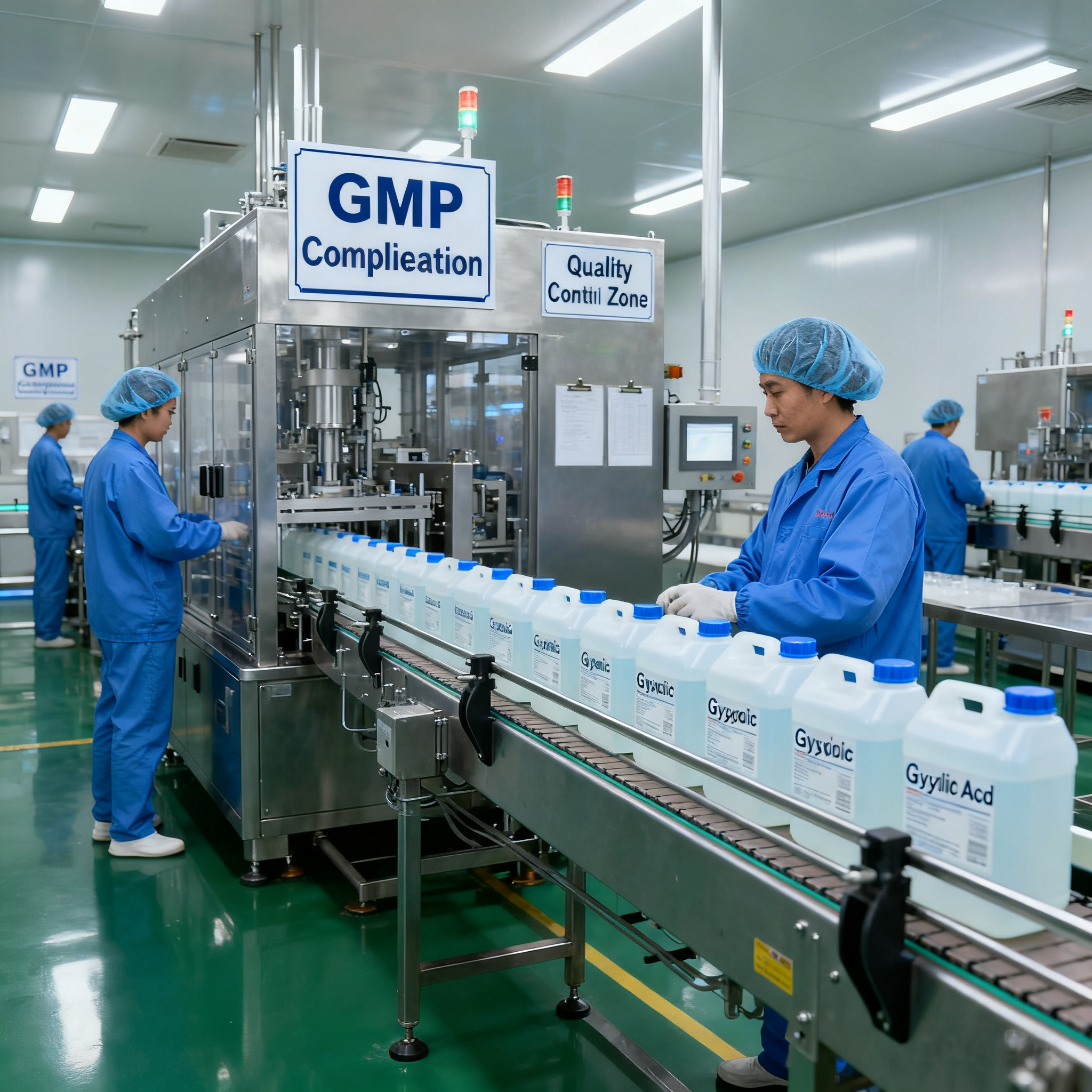
The glyoxylic acid synthesis process features comprehensive integration and automation capabilities that transform traditional chemical manufacturing into a highly efficient, predictable operation. This sophisticated control system manages every aspect of the production process, from raw material feeding and reaction monitoring to product separation and quality testing, ensuring optimal performance throughout the entire manufacturing cycle. The automation framework incorporates advanced sensors and monitoring devices that continuously track critical process parameters such as temperature, pressure, flow rates, and chemical concentrations, providing operators with real-time visibility into system performance. Predictive maintenance algorithms analyze equipment performance data to identify potential issues before they impact production, reducing unplanned downtime and maintenance costs while extending equipment lifespan. The integrated control system optimizes reaction conditions automatically based on feedstock variations and desired product specifications, maintaining consistent quality without requiring manual adjustments or operator intervention. Safety systems built into the automation framework provide multiple layers of protection, including emergency shutdown procedures and automated response protocols that ensure personnel safety and environmental protection. Data collection and analysis capabilities generate comprehensive production reports and performance metrics that support continuous improvement initiatives and regulatory compliance documentation. The user-friendly interface allows operators to monitor and control the glyoxylic acid synthesis process remotely, reducing staffing requirements and enabling centralized management of multiple production units. Energy management features optimize utility consumption by coordinating heating, cooling, and power requirements across the entire process, resulting in significant cost savings and reduced environmental impact. Quality assurance integration enables automatic sampling and testing procedures that ensure product specifications are met consistently, eliminating human error and reducing quality control labor requirements. The system supports flexible production scheduling and rapid changeover between different product grades or specifications, maximizing facility utilization and responsiveness to market demands. Training requirements for operators become minimal due to the intuitive interface design and comprehensive automation features that simplify process management and troubleshooting procedures.
Sustainable Green Chemistry Implementation

Sustainable Green Chemistry Implementation

The glyoxylic acid synthesis process exemplifies sustainable green chemistry principles through innovative design features that minimize environmental impact while maximizing economic performance. This environmentally conscious approach incorporates renewable feedstock options and energy-efficient reaction pathways that significantly reduce the carbon footprint associated with traditional chemical manufacturing processes. The synthesis method eliminates the use of hazardous solvents and toxic reagents commonly employed in conventional production routes, creating a safer working environment and reducing regulatory compliance costs. Waste minimization strategies integrated throughout the process design ensure that byproducts are either recycled within the system or converted into valuable co-products, achieving near-zero waste generation goals. Water consumption remains minimal through advanced recycling systems that purify and reuse process water, reducing both operational costs and environmental impact on local water resources. The process operates at ambient or moderate temperatures and pressures, dramatically reducing energy requirements compared to high-temperature synthesis methods while maintaining excellent productivity levels. Catalyst recovery and recycling systems ensure that valuable catalytic materials are retained within the process, reducing raw material costs and minimizing waste disposal requirements. The glyoxylic acid synthesis incorporates biocompatible reaction conditions that support the production of pharmaceutical and cosmetic grade products without requiring extensive purification steps that typically consume additional resources and generate waste streams. Life cycle assessment studies demonstrate superior environmental performance across all impact categories, including reduced greenhouse gas emissions, lower energy consumption, and minimal ecological toxicity compared to alternative synthesis methods. Regulatory compliance becomes straightforward due to the inherently safe and environmentally friendly nature of the process, reducing permitting costs and accelerating project approval timelines. The sustainable design philosophy extends to equipment selection and facility layout, incorporating energy-efficient components and optimized process flows that minimize utility requirements and operational expenses. Corporate sustainability reporting benefits significantly from the green chemistry implementation, providing measurable environmental improvements that support ESG goals and stakeholder expectations. Economic incentives associated with sustainable manufacturing practices, including tax benefits and preferential financing options, provide additional value propositions that enhance the overall business case for implementing this advanced glyoxylic acid synthesis technology.

Get a Free Quote

Our representative will contact you soon.
Email
Name
Company Name
Message
0/1000