Premium Pharmaceutical Intermediates - Advanced Chemical Building Blocks for Drug Manufacturing

All Categories

Get a Free Quote

Our representative will contact you soon.
Email
Name
Company Name
Message
0/1000

pharmaceutical intermediates

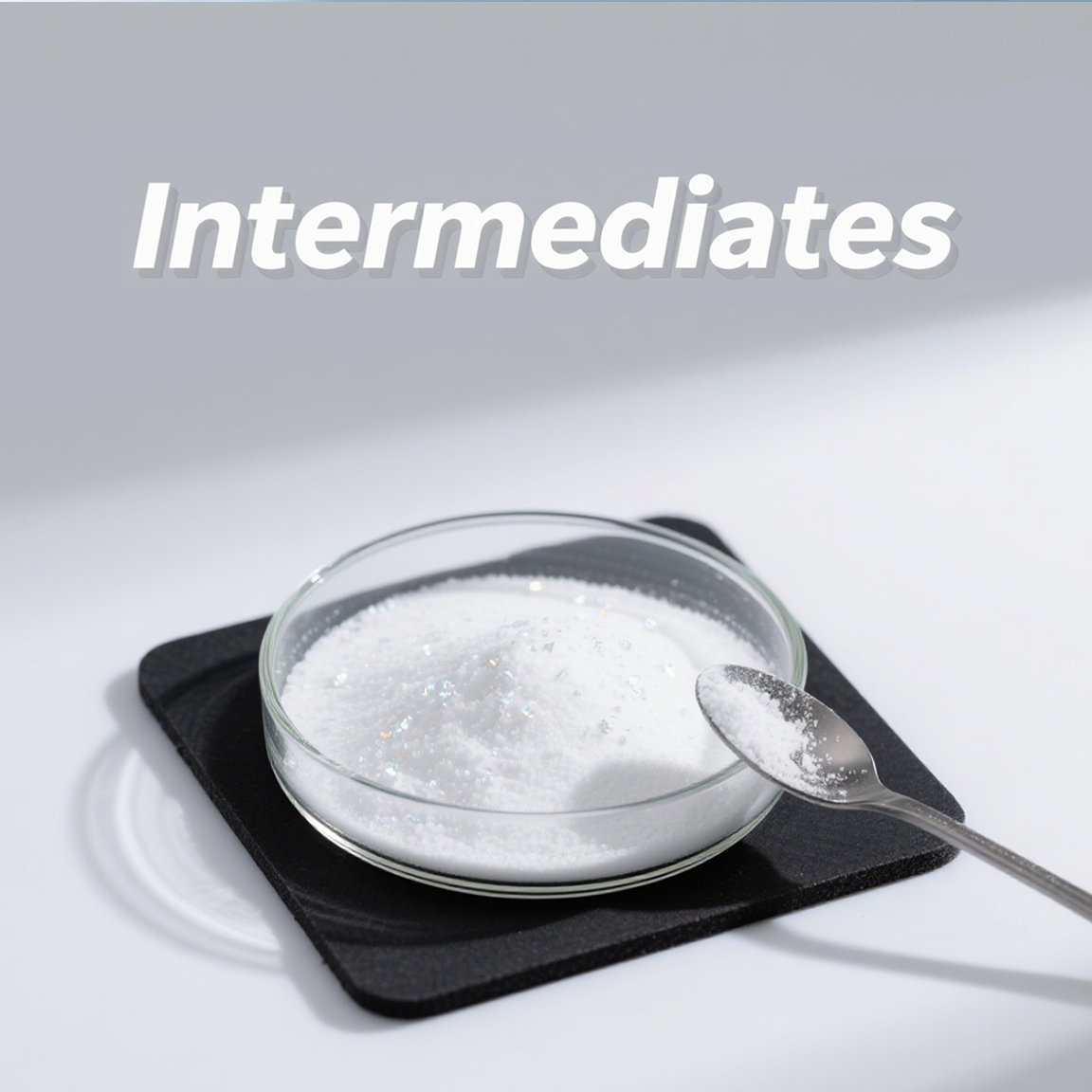
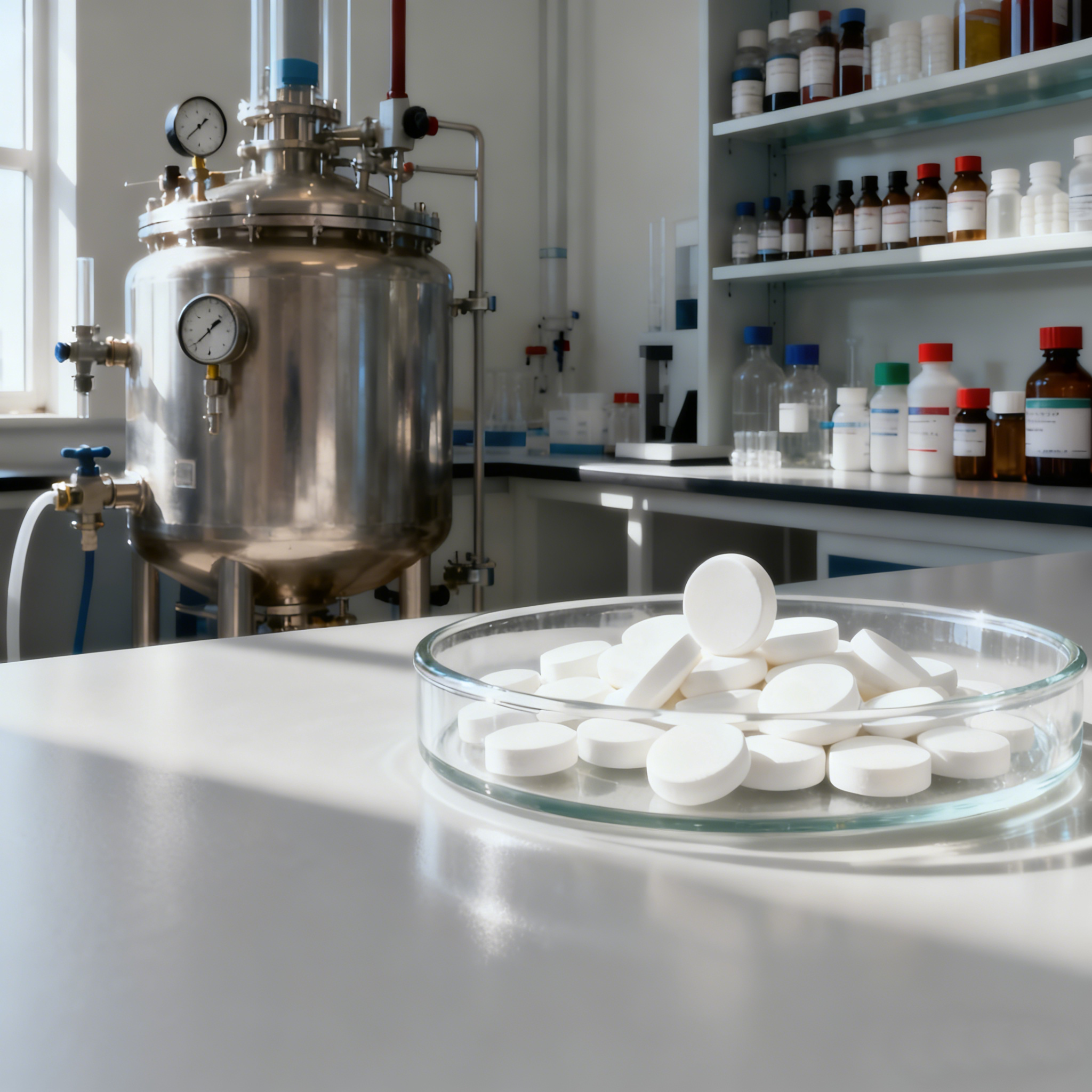
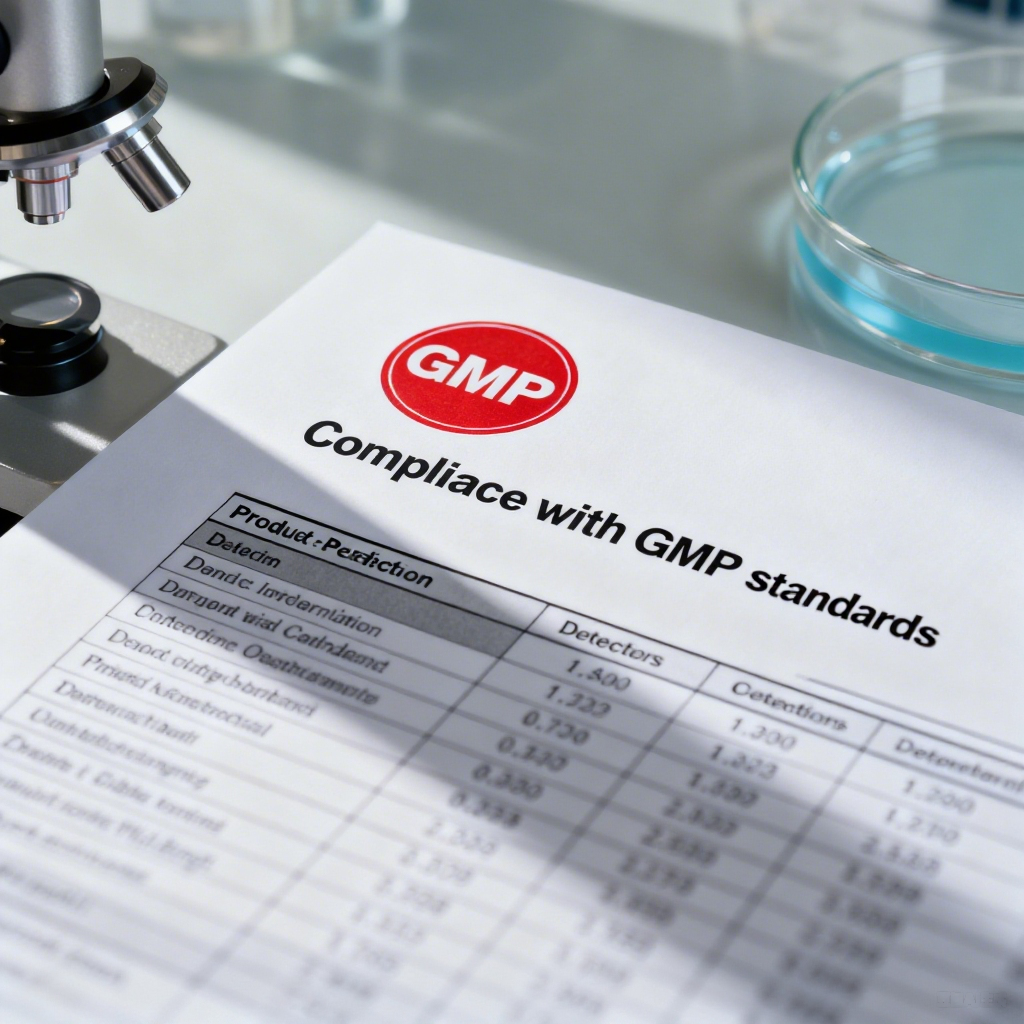
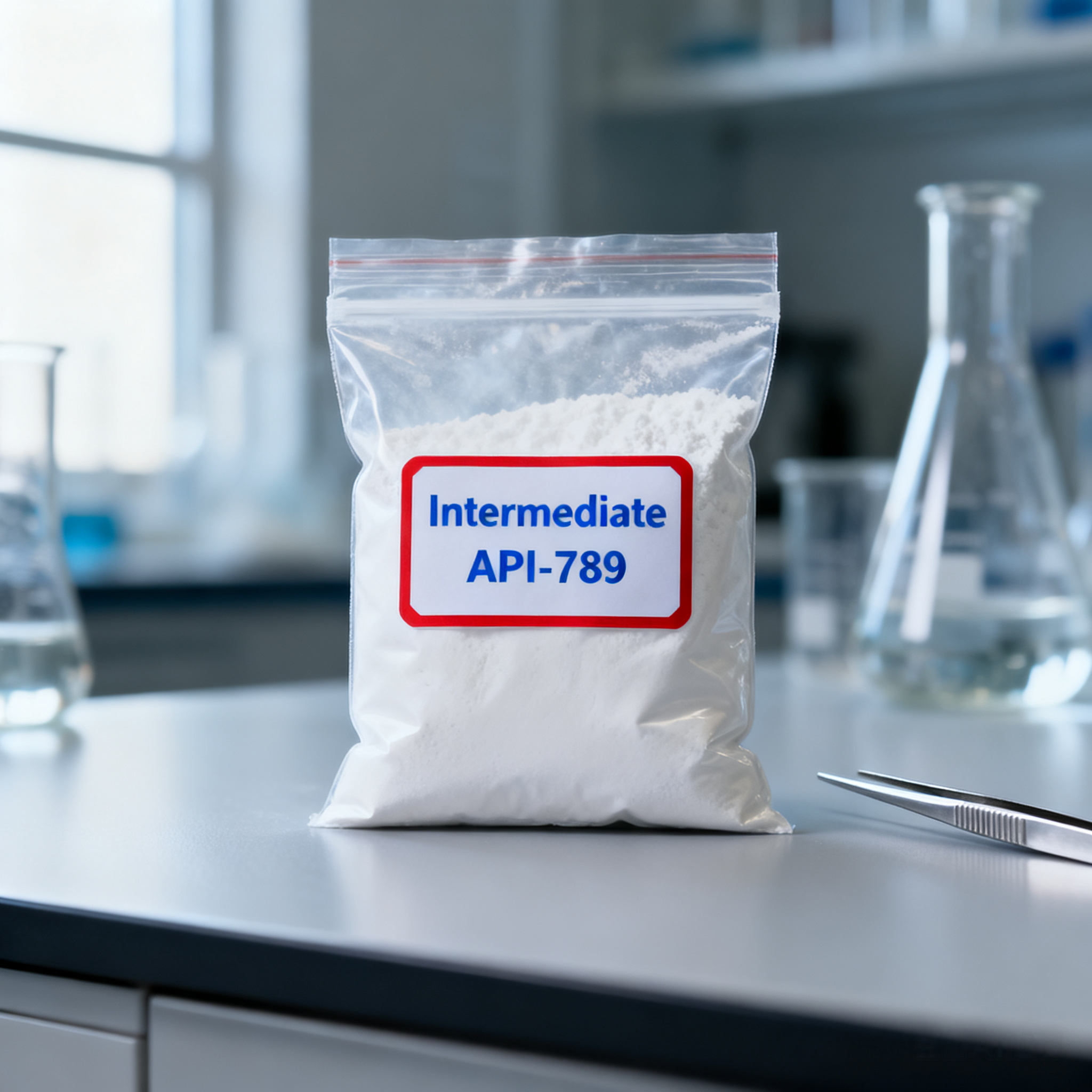
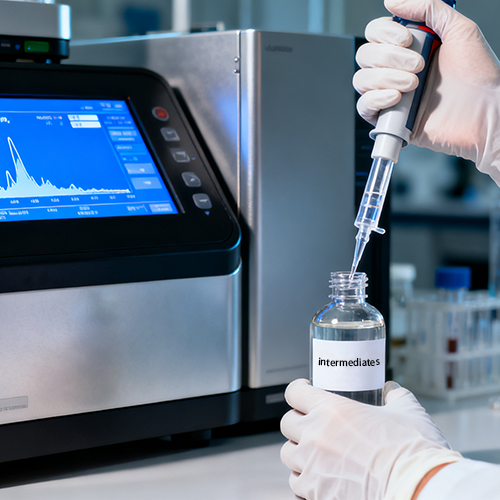
Pharmaceutical intermediates represent essential chemical compounds that serve as crucial building blocks in the production of active pharmaceutical ingredients (APIs) and finished drug products. These specialized compounds function as transitional substances during the multi-step synthesis processes required to create complex therapeutic molecules. Unlike raw materials or final drug products, pharmaceutical intermediates occupy a unique position in the drug manufacturing chain, providing manufacturers with enhanced flexibility and control over production timelines and quality standards. The technological features of pharmaceutical intermediates include their high purity levels, typically ranging from 95% to 99.9%, which ensures consistent quality in downstream processing. These compounds undergo rigorous testing protocols including chromatographic analysis, spectroscopic characterization, and impurity profiling to meet stringent regulatory requirements. Advanced manufacturing techniques such as continuous flow chemistry, green synthesis methods, and automated purification systems are employed to produce pharmaceutical intermediates with optimal yields and minimal environmental impact. The applications of pharmaceutical intermediates span across various therapeutic areas including cardiovascular medications, central nervous system drugs, anti-infective agents, and oncology treatments. Major pharmaceutical companies rely on these compounds to streamline their production processes, reduce manufacturing costs, and maintain supply chain stability. Contract manufacturing organizations (CMOs) and custom synthesis providers utilize pharmaceutical intermediates to offer flexible manufacturing solutions to their clients. The global pharmaceutical intermediates market continues expanding due to increasing demand for generic medications, growing emphasis on outsourcing non-core activities, and rising healthcare needs in emerging markets. Quality assurance protocols for pharmaceutical intermediates involve comprehensive documentation systems, batch tracking mechanisms, and compliance with Good Manufacturing Practice (GMP) standards, ensuring traceability throughout the entire supply chain.

New Products

Pharmaceutical intermediates offer significant cost reduction benefits for drug manufacturers by enabling bulk production of key chemical components at specialized facilities. Companies achieve substantial savings through economies of scale when purchasing pharmaceutical intermediates rather than maintaining in-house synthesis capabilities for every compound. This approach eliminates the need for extensive infrastructure investments, specialized equipment procurement, and expert personnel hiring for complex chemical processes. Production efficiency gains represent another major advantage, as pharmaceutical intermediates allow manufacturers to focus their resources on core competencies while outsourcing intermediate synthesis to specialized providers. This strategic approach reduces production lead times, minimizes technical risks, and accelerates time-to-market for new drug formulations. Quality consistency improvements occur when companies source pharmaceutical intermediates from established suppliers with proven track records and robust quality management systems. These suppliers maintain dedicated production lines, implement standardized procedures, and conduct extensive quality testing to ensure consistent product specifications across multiple batches. Regulatory compliance becomes more manageable with pharmaceutical intermediates, as suppliers typically maintain comprehensive documentation packages including certificates of analysis, regulatory filing support materials, and stability data. This documentation reduces the burden on drug manufacturers during regulatory submissions and inspections. Supply chain flexibility increases significantly when utilizing pharmaceutical intermediates, as companies can quickly adjust production volumes, switch between multiple suppliers, and respond rapidly to market demand fluctuations. Risk mitigation occurs through diversified sourcing strategies, reduced dependency on single suppliers, and improved inventory management capabilities. Environmental benefits emerge from consolidated production at specialized facilities that implement advanced waste treatment systems, energy-efficient processes, and green chemistry principles. Innovation acceleration happens when pharmaceutical companies partner with intermediate suppliers who possess specialized expertise, cutting-edge technologies, and research capabilities that complement internal development programs. Market responsiveness improves as companies can rapidly scale production, enter new markets, and launch products more efficiently using established pharmaceutical intermediates supply networks.

Latest News

Why Are Antiparasitics Drugs Vital for Sustainable Agriculture?

28

Oct

Why Are Antiparasitics Drugs Vital for Sustainable Agriculture?

The Essential Role of Antiparasitic Medications in Modern Farming The agricultural sector faces unprecedented challenges in maintaining livestock health while pursuing sustainable practices. Antiparasitic drugs have emerged as a cornerstone of modern...
View More
How Is Levamisole Hydrochloride Used Across Emerging Market Applications?

27

Nov

How Is Levamisole Hydrochloride Used Across Emerging Market Applications?

The pharmaceutical landscape continues to evolve with compounds like levamisole hydrochloride finding diverse applications across emerging markets. This versatile compound has gained significant attention in recent years due to its unique properties ...
View More
Why Is Supply Chain Stability Critical for Levamisole Hydrochloride Buyers?

27

Nov

Why Is Supply Chain Stability Critical for Levamisole Hydrochloride Buyers?

In today's interconnected pharmaceutical landscape, supply chain stability has emerged as a fundamental concern for buyers of specialized compounds like Levamisole Hydrochloride. This anthelmintic agent, widely used in both veterinary and human medic...
View More
How Do Emerging Markets Influence Pharmaceutical Raw Material Supply Chains?

27

Nov

How Do Emerging Markets Influence Pharmaceutical Raw Material Supply Chains?

The global pharmaceutical industry has witnessed unprecedented transformation as emerging markets reshape the landscape of raw material sourcing and supply chain dynamics. These rapidly developing economies have become pivotal players in determining ...
View More

Get a Free Quote

Our representative will contact you soon.
Email
Name
Company Name
Message
0/1000

pharmaceutical intermediates

Enhanced Manufacturing Efficiency and Cost Optimization

Enhanced Manufacturing Efficiency and Cost Optimization

The utilization of pharmaceutical intermediates delivers exceptional manufacturing efficiency improvements that directly translate into significant cost optimization opportunities for drug development and production companies. Modern pharmaceutical intermediates enable manufacturers to streamline their production processes by eliminating complex multi-step synthesis procedures from their internal operations, allowing them to focus resources on final formulation and quality control activities. This strategic approach reduces capital expenditure requirements by minimizing the need for specialized chemical synthesis equipment, advanced reactor systems, and sophisticated purification technologies that would otherwise require substantial investments. Companies benefit from reduced operational costs through decreased utility consumption, lower maintenance expenses, and optimized workforce allocation when utilizing pre-manufactured pharmaceutical intermediates. The economies of scale achieved by specialized intermediate producers create additional cost advantages, as these facilities operate at higher volumes and greater efficiency levels than individual pharmaceutical companies could achieve independently. Quality control processes become more efficient when sourcing pharmaceutical intermediates from established suppliers who maintain dedicated analytical laboratories, employ experienced quality assurance professionals, and implement comprehensive testing protocols. Time-to-market acceleration occurs as pharmaceutical intermediates eliminate lengthy synthesis development phases, reduce process optimization requirements, and minimize scale-up challenges that typically consume months or years during drug development programs. Manufacturing flexibility increases substantially when companies integrate pharmaceutical intermediates into their supply chains, enabling rapid production adjustments, efficient batch size modifications, and streamlined inventory management practices. Risk reduction benefits include decreased technical failure rates, minimized process development uncertainties, and improved regulatory compliance through established supply relationships with qualified intermediate providers who maintain extensive documentation and validation records.
Superior Quality Control and Regulatory Compliance Standards

Superior Quality Control and Regulatory Compliance Standards

Pharmaceutical intermediates provide unparalleled quality control advantages through rigorous manufacturing standards that exceed typical chemical industry requirements and align with stringent pharmaceutical regulations worldwide. Specialized intermediate producers implement comprehensive quality management systems that include advanced analytical testing capabilities, statistical process control methodologies, and continuous improvement programs designed to maintain consistent product quality across all production batches. These facilities employ state-of-the-art analytical instruments including high-performance liquid chromatography systems, mass spectrometers, nuclear magnetic resonance equipment, and infrared spectrophotometers to conduct thorough characterization and purity analysis of pharmaceutical intermediates. Documentation excellence represents a cornerstone of quality assurance for pharmaceutical intermediates, with suppliers maintaining detailed batch records, comprehensive certificates of analysis, stability study data, and regulatory compliance documentation that supports downstream drug registration activities. Contamination control measures at pharmaceutical intermediates manufacturing facilities include dedicated production areas, controlled environmental conditions, personnel training programs, and equipment cleaning validation protocols that prevent cross-contamination and ensure product integrity. Impurity profiling capabilities enable suppliers to identify, quantify, and control potential impurities in pharmaceutical intermediates, providing manufacturers with detailed impurity data that supports safety assessments and regulatory submissions. Validation support services from pharmaceutical intermediates suppliers include process validation documentation, analytical method validation studies, and cleaning validation protocols that streamline regulatory approval processes for drug manufacturers. Audit readiness maintained by reputable pharmaceutical intermediates suppliers includes comprehensive quality systems documentation, trained personnel for regulatory inspections, and established corrective action procedures that demonstrate ongoing compliance with Good Manufacturing Practice standards. Traceability systems implemented throughout pharmaceutical intermediates supply chains enable complete tracking of raw materials, production parameters, and distribution records, supporting full accountability and rapid response capabilities during quality investigations or regulatory inquiries.

Strategic Supply Chain Flexibility and Risk Management

Strategic Supply Chain Flexibility and Risk Management

The integration of pharmaceutical intermediates into drug manufacturing strategies provides unprecedented supply chain flexibility that enables companies to respond rapidly to market dynamics while maintaining robust risk management capabilities across their operations. Supply diversification opportunities through pharmaceutical intermediates allow manufacturers to establish relationships with multiple qualified suppliers, reducing dependency on single sources and creating competitive pricing advantages through strategic procurement practices. Geographic distribution of pharmaceutical intermediates suppliers provides additional risk mitigation by spreading production across different regions, minimizing the impact of local disruptions, natural disasters, or regulatory changes that could affect supply continuity. Inventory optimization becomes achievable when utilizing pharmaceutical intermediates, as companies can maintain strategic stock levels of key compounds while reducing working capital requirements and warehouse space needs compared to maintaining extensive raw material inventories. Demand responsiveness improves significantly through pharmaceutical intermediates partnerships, enabling rapid production scaling to meet unexpected market opportunities or address supply shortages without requiring substantial capital investments or long lead times. Technology transfer facilitation occurs more efficiently with pharmaceutical intermediates, as suppliers often possess specialized expertise, established processes, and regulatory documentation that accelerate the implementation of new manufacturing capabilities. Regulatory pathway optimization benefits emerge from pharmaceutical intermediates suppliers who maintain multiple regulatory approvals, established drug master file submissions, and extensive documentation packages that support global market access strategies. Business continuity planning becomes more robust when pharmaceutical intermediates are integrated into supply strategies, providing alternative sourcing options, backup production capabilities, and emergency supply protocols that ensure uninterrupted product availability. Market entry acceleration occurs through pharmaceutical intermediates partnerships that provide immediate access to proven manufacturing capabilities, established supply networks, and regulatory expertise that would otherwise require years to develop independently. Cost structure optimization opportunities include converting fixed manufacturing costs to variable procurement expenses, reducing overhead burdens, and improving financial flexibility through strategic outsourcing relationships with pharmaceutical intermediates suppliers who offer competitive pricing and flexible commercial terms.

Get a Free Quote

Our representative will contact you soon.
Email
Name
Company Name
Message
0/1000