Contract Manufacturing of Specialty Chemicals with GMP Compliance - Expert Production Services

All Categories

Get a Free Quote

Our representative will contact you soon.
Email
Name
Company Name
Message
0/1000

contract manufacturing of specialty chemicals with gmp compliance

Contract manufacturing of specialty chemicals with GMP compliance represents a strategic outsourcing solution where specialized manufacturers produce high-value chemical products according to strict Good Manufacturing Practice standards. This service model enables companies to access advanced production capabilities without investing in expensive infrastructure, equipment, or regulatory expertise. The main functions encompass custom synthesis, scale-up development, analytical testing, quality assurance, and regulatory documentation support. Companies leverage these services to manufacture active pharmaceutical ingredients, fine chemicals, intermediates, catalysts, and performance materials that require precise specifications and stringent quality controls. The technological features include state-of-the-art reaction vessels, automated process control systems, advanced purification equipment, and sophisticated analytical instrumentation. These facilities maintain controlled environments with temperature, humidity, and contamination monitoring systems. Process development capabilities allow optimization of synthetic routes, yield improvements, and cost reduction strategies. Documentation systems ensure complete traceability from raw materials to finished products, supporting regulatory submissions and audits. Applications span pharmaceutical manufacturing, biotechnology production, agrochemical development, and specialty polymer synthesis. The service proves invaluable for companies developing new products, requiring rapid market entry, or needing to supplement internal capacity during peak demand periods. Environmental compliance features include waste treatment systems, emission controls, and sustainability reporting. Risk management protocols address safety concerns, intellectual property protection, and supply chain continuity. The model supports both small-scale research quantities and large commercial volumes, providing flexibility as business needs evolve. Quality management systems incorporate statistical process control, deviation investigations, and continuous improvement methodologies, ensuring consistent product quality and regulatory compliance throughout the manufacturing lifecycle.
New Products

Contract manufacturing of specialty chemicals with GMP compliance delivers substantial operational benefits that transform how companies approach chemical production and market strategy. Cost efficiency represents the primary advantage, eliminating capital expenditure requirements for specialized equipment, facilities, and technology infrastructure. Companies avoid significant upfront investments while accessing world-class manufacturing capabilities immediately. This approach reduces operational overhead by transferring facility maintenance, utility costs, and equipment depreciation to experienced service providers. Risk mitigation becomes another crucial benefit, as specialized contractors possess deep regulatory knowledge and established compliance frameworks. They navigate complex regulatory landscapes, manage safety protocols, and maintain current certifications, reducing compliance risks for client companies. Speed to market acceleration proves essential in competitive industries where timing determines success. Established manufacturers provide immediate production capacity, bypassing lengthy facility construction and equipment installation periods. Their experienced teams expedite process development, optimization, and scale-up activities, reducing time from concept to commercial production. Flexibility advantages allow companies to adjust production volumes based on market demand without long-term facility commitments. This scalability supports growth strategies while minimizing inventory risks during market fluctuations. Access to specialized expertise becomes invaluable when developing complex chemical processes requiring advanced technical knowledge. Experienced manufacturers bring process chemistry expertise, analytical method development, and troubleshooting capabilities that would be costly to develop internally. Quality assurance benefits include established quality systems, validated analytical methods, and experienced quality personnel who ensure consistent product specifications. These systems undergo regular audits and maintain compliance with international standards, providing confidence in product quality and regulatory acceptance. Focus enhancement allows client companies to concentrate resources on core competencies like research, development, and marketing while outsourcing manufacturing complexities. This strategic alignment improves overall business efficiency and competitive positioning. Supply chain advantages include established vendor relationships, raw material sourcing capabilities, and logistics expertise that ensure reliable production schedules and cost-effective material procurement.

Tips And Tricks

What Factors Should Companies Consider in Selecting Veterinary API?

28

Oct

What Factors Should Companies Consider in Selecting Veterinary API?

Understanding the Critical Role of Pharmaceutical APIs in Veterinary Medicine The veterinary pharmaceutical industry has witnessed remarkable growth in recent years, with increasing focus on the quality and efficacy of animal medications. At the hear...
View More
How Do Veterinary API Drive Growth in Animal Health Pharmaceuticals?

28

Oct

How Do Veterinary API Drive Growth in Animal Health Pharmaceuticals?

The Evolution of APIs in Modern Veterinary Medicine The veterinary pharmaceutical industry has witnessed a remarkable transformation over the past decade, with veterinary API (Active Pharmaceutical Ingredients) emerging as the cornerstone of innovati...
View More
How Can Cardiovascular Drugs Reduce Heart Disease Risk?

31

Oct

How Can Cardiovascular Drugs Reduce Heart Disease Risk?

Understanding the Impact of Modern Heart Medications The battle against heart disease continues to evolve with breakthrough developments in cardiovascular drugs. These powerful medications have transformed the landscape of cardiac care, offering hope...
View More
How Is Levamisole Hydrochloride Used Across Emerging Market Applications?

27

Nov

How Is Levamisole Hydrochloride Used Across Emerging Market Applications?

The pharmaceutical landscape continues to evolve with compounds like levamisole hydrochloride finding diverse applications across emerging markets. This versatile compound has gained significant attention in recent years due to its unique properties ...
View More

Get a Free Quote

Our representative will contact you soon.
Email
Name
Company Name
Message
0/1000

contract manufacturing of specialty chemicals with gmp compliance

Advanced GMP Compliance Infrastructure and Quality Assurance

Advanced GMP Compliance Infrastructure and Quality Assurance

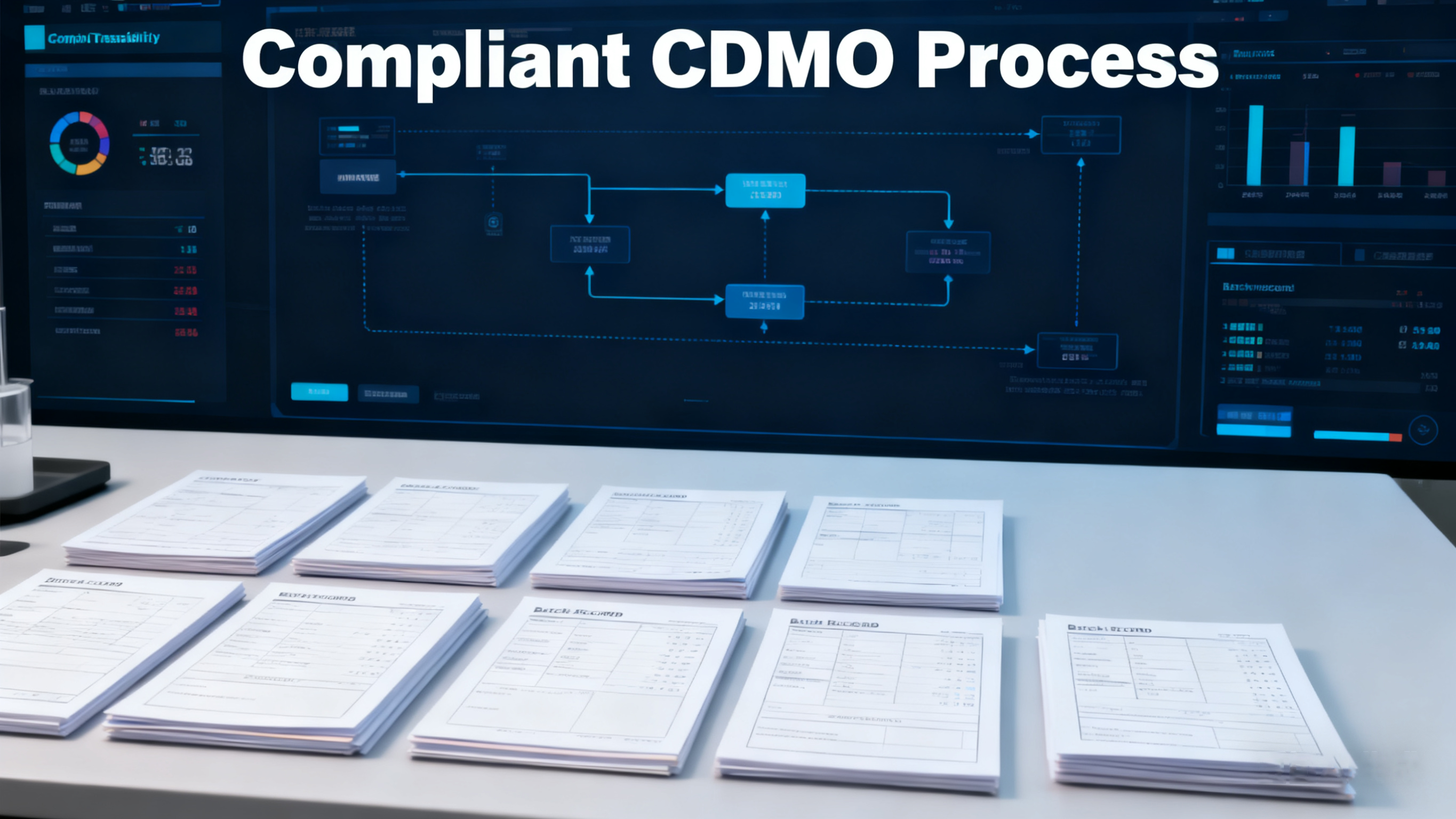
Contract manufacturing of specialty chemicals with GMP compliance provides access to sophisticated infrastructure specifically designed to meet the highest regulatory standards across multiple jurisdictions. These facilities feature purpose-built cleanroom environments, validated manufacturing equipment, and comprehensive environmental monitoring systems that ensure consistent product quality and regulatory compliance. The infrastructure includes advanced HVAC systems with precise temperature and humidity control, differential pressure monitoring, and high-efficiency particulate air filtration to prevent contamination. Manufacturing equipment undergoes rigorous validation protocols, including installation qualification, operational qualification, and performance qualification testing to demonstrate consistent performance and reliability. Quality assurance laboratories feature state-of-the-art analytical instrumentation, including high-performance liquid chromatography systems, gas chromatography-mass spectrometry equipment, and nuclear magnetic resonance spectrometers for comprehensive product characterization. Automated data integrity systems ensure complete documentation and traceability throughout the manufacturing process, supporting regulatory submissions and audit requirements. Change control procedures govern all modifications to processes, equipment, or systems, ensuring that changes are properly evaluated, approved, and documented. Quality management systems incorporate risk-based approaches to identify potential issues before they impact product quality or compliance status. Regular internal audits and third-party inspections verify continued compliance with evolving regulatory requirements. Environmental monitoring programs track critical parameters continuously, providing real-time alerts for any deviations from acceptable ranges. Training programs ensure that all personnel understand GMP requirements and maintain current knowledge of regulatory updates. Documentation systems maintain complete batch records, analytical certificates, and compliance reports that support product registration and market authorization activities. This comprehensive infrastructure eliminates the need for companies to develop internal GMP capabilities while providing confidence in product quality and regulatory acceptance worldwide.
Scalable Production Capabilities and Process Optimization

Scalable Production Capabilities and Process Optimization

Contract manufacturing of specialty chemicals with GMP compliance offers unparalleled scalability that adapts to evolving business requirements while maintaining consistent quality standards throughout different production volumes. These flexible manufacturing platforms support everything from kilogram-scale pilot batches to metric ton commercial production campaigns, enabling seamless transitions as market demand grows. Multi-purpose reactors with variable capacity allow efficient production of different batch sizes using the same equipment train, optimizing facility utilization and reducing changeover costs. Process development teams work closely with clients to optimize synthetic routes, improve yields, and reduce manufacturing costs through systematic evaluation of reaction conditions, catalyst selection, and purification strategies. Advanced process analytical technology enables real-time monitoring of critical process parameters, allowing immediate adjustments to maintain optimal conditions and prevent quality deviations. Statistical process control methodologies identify trends and variations in manufacturing data, enabling proactive interventions to maintain consistent product quality. Technology transfer protocols ensure smooth transitions from development laboratories to commercial production, maintaining process understanding and quality standards throughout scale-up activities. Continuous improvement programs leverage manufacturing data to identify optimization opportunities, implement efficiency enhancements, and reduce production costs over time. Flexible scheduling accommodates varying production timelines, seasonal demand fluctuations, and urgent market requirements while maintaining operational efficiency. Multiple production lines provide backup capacity and reduce dependency risks, ensuring reliable supply even during equipment maintenance or unexpected disruptions. Waste minimization strategies incorporate green chemistry principles, solvent recovery systems, and byproduct utilization to reduce environmental impact and manufacturing costs. Supply chain integration coordinates raw material procurement, inventory management, and logistics planning to optimize overall production economics and delivery performance.
Comprehensive Regulatory Support and Market Access Facilitation

Comprehensive Regulatory Support and Market Access Facilitation

Contract manufacturing of specialty chemicals with GMP compliance provides extensive regulatory expertise that accelerates market entry and ensures global compliance across diverse regulatory frameworks. Experienced regulatory affairs teams maintain current knowledge of evolving requirements in major markets including the United States, European Union, Japan, and emerging economies, ensuring that manufacturing processes and documentation meet all applicable standards. Drug Master File preparation and maintenance services support pharmaceutical applications by providing comprehensive manufacturing information to regulatory agencies while protecting proprietary process details. Technical documentation packages include detailed process descriptions, analytical methods, stability studies, and quality specifications that support product registration and marketing authorization applications. Regulatory compliance monitoring tracks changes in regulatory requirements across different markets, implementing necessary modifications to maintain continued compliance and market access. Quality agreements establish clear responsibilities and expectations between manufacturers and clients, defining quality standards, testing requirements, and communication protocols. Audit support services prepare facilities for regulatory inspections, coordinate inspector visits, and address any findings or observations promptly and effectively. Change notification procedures ensure that regulatory agencies receive timely updates about manufacturing changes that might impact product approval or marketing authorization status. Validation documentation demonstrates that manufacturing processes consistently produce products meeting predetermined specifications and quality attributes. Annual product reviews analyze manufacturing data, quality metrics, and customer complaints to identify trends and implement continuous improvement initiatives. Deviation investigation procedures address any manufacturing anomalies through systematic root cause analysis and corrective action implementation. Supplier qualification programs evaluate raw material vendors, service providers, and critical suppliers to ensure they meet quality and compliance requirements. International harmonization expertise navigates differences between regional regulatory requirements, implementing manufacturing strategies that satisfy multiple jurisdictions simultaneously while minimizing compliance complexity and costs.

Get a Free Quote

Our representative will contact you soon.
Email
Name
Company Name
Message
0/1000