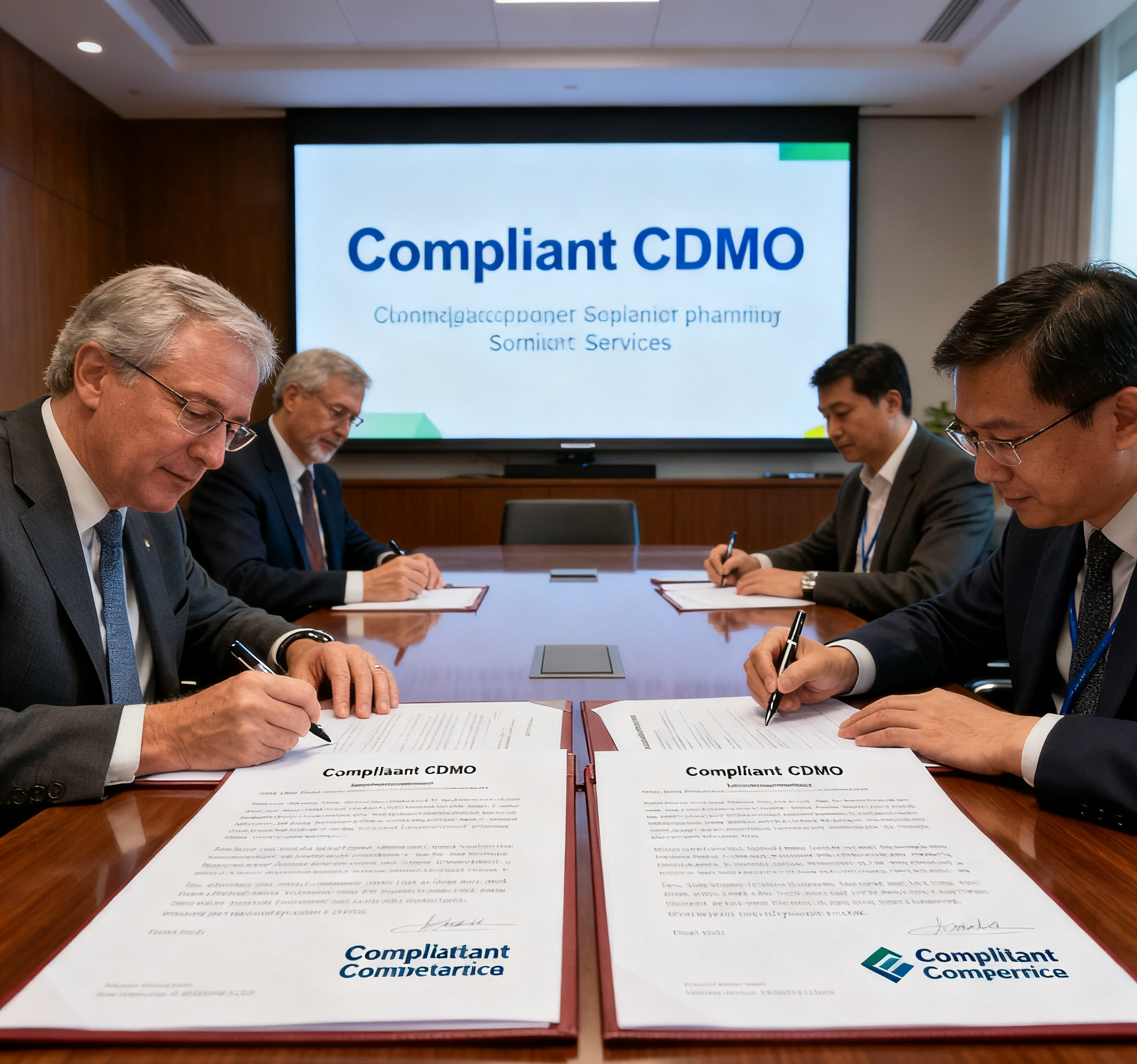
Leading Crop Protection Chemical CDMO with Regulatory Approvals - Expert Manufacturing Solutions

All Categories

Get a Free Quote

Our representative will contact you soon.
Email
Name
Company Name
Message
0/1000

crop protection chemical cdmo with regulatory approvals

Crop protection chemical CDMO with regulatory approvals represents a specialized contract development and manufacturing organization that provides comprehensive services for agricultural chemical products while maintaining strict compliance with global regulatory standards. These organizations serve as strategic partners for agricultural companies seeking to develop, manufacture, and commercialize crop protection solutions without investing in extensive in-house infrastructure. The main functions of a crop protection chemical CDMO with regulatory approvals encompass formulation development, process optimization, scale-up manufacturing, quality control testing, and regulatory submission support. Their technological features include state-of-the-art manufacturing facilities equipped with advanced reaction vessels, purification systems, and analytical laboratories that meet international safety and quality standards. These facilities typically operate under Good Manufacturing Practices (GMP) and maintain certifications from multiple regulatory bodies including the EPA, European Food Safety Authority, and various national agricultural departments. The applications of crop protection chemical CDMO with regulatory approvals span across multiple agricultural sectors, including fungicide production for disease management, herbicide manufacturing for weed control, insecticide development for pest management, and specialty chemical formulation for enhanced crop yield. Their services extend to active ingredient synthesis, formulation optimization, stability testing, and packaging solutions tailored to specific market requirements. Advanced analytical capabilities enable precise quality assessment, residue analysis, and environmental impact evaluation. The technological infrastructure includes automated production lines, continuous monitoring systems, and sophisticated waste treatment facilities that ensure environmental compliance. These organizations maintain comprehensive documentation systems that support regulatory submissions across different markets, enabling faster product approvals and market entry. Their expertise in navigating complex regulatory landscapes makes them invaluable partners for companies seeking to expand their crop protection portfolios while minimizing development risks and capital expenditure.
New Product Releases

Crop protection chemical CDMO with regulatory approvals offers substantial cost savings by eliminating the need for companies to build and maintain expensive manufacturing infrastructure. Organizations can access world-class production capabilities without massive capital investments in specialized equipment, facilities, and regulatory compliance systems. This approach reduces operational overhead significantly while providing access to cutting-edge technology and expert knowledge. The regulatory expertise provided by these specialized manufacturers accelerates product development timelines considerably. Their established relationships with regulatory agencies and deep understanding of approval processes help navigate complex submission requirements efficiently. Companies benefit from faster market entry, reduced regulatory risks, and streamlined approval pathways across multiple jurisdictions. Quality assurance represents another critical advantage, as crop protection chemical CDMO with regulatory approvals maintains rigorous quality control standards throughout the manufacturing process. Their dedicated quality teams implement comprehensive testing protocols, ensuring product consistency, purity, and compliance with international specifications. Advanced analytical laboratories provide detailed product characterization, stability testing, and contamination screening that meets or exceeds industry standards. Scalability benefits enable companies to adjust production volumes based on market demand without fixed capacity constraints. Whether producing small batches for specialized applications or large volumes for commercial distribution, these manufacturers provide flexible solutions that adapt to changing business requirements. This scalability extends to formulation customization, allowing product modifications without extensive revalidation processes. Risk mitigation becomes achievable through partnership with crop protection chemical CDMO with regulatory approvals, as they assume manufacturing risks while maintaining insurance coverage and regulatory compliance responsibilities. Their established track records and proven manufacturing capabilities reduce potential supply chain disruptions and quality issues. Environmental compliance expertise ensures sustainable manufacturing practices while meeting stringent environmental regulations. These organizations invest heavily in waste reduction technologies, emission control systems, and sustainable production methods that align with corporate environmental commitments. Technical support services provide ongoing assistance with product optimization, troubleshooting, and process improvements that enhance overall product performance and market competitiveness.

Latest News

How Do Antiparasitics Drugs Help Improve Livestock Productivity?

28

Oct

How Do Antiparasitics Drugs Help Improve Livestock Productivity?

Understanding the Impact of Parasites on Livestock Health and Production The livestock industry faces numerous challenges in maintaining optimal animal health and productivity, with parasitic infections being one of the most significant threats. Thes...
View More
What Are the Risks of Improper Digestive Drug Use?

31

Oct

What Are the Risks of Improper Digestive Drug Use?

Understanding the Hidden Dangers of Digestive Medication Misuse The growing prevalence of digestive disorders has led to an increased reliance on over-the-counter and prescription medications. While these drugs provide essential relief for millions, ...
View More
How Is Levamisole Hydrochloride Used Across Emerging Market Applications?

27

Nov

How Is Levamisole Hydrochloride Used Across Emerging Market Applications?

The pharmaceutical landscape continues to evolve with compounds like levamisole hydrochloride finding diverse applications across emerging markets. This versatile compound has gained significant attention in recent years due to its unique properties ...
View More
What Should Manufacturers Consider When Selecting Silane Coupling Agents?

27

Nov

What Should Manufacturers Consider When Selecting Silane Coupling Agents?

Manufacturing industries across the globe rely on advanced chemical solutions to enhance product performance, durability, and cost-effectiveness. Among these critical materials, silane coupling agents have emerged as essential components for improvin...
View More

Get a Free Quote

Our representative will contact you soon.
Email
Name
Company Name
Message
0/1000

crop protection chemical cdmo with regulatory approvals

Advanced Manufacturing Infrastructure with Multi-Jurisdictional Regulatory Compliance

Advanced Manufacturing Infrastructure with Multi-Jurisdictional Regulatory Compliance

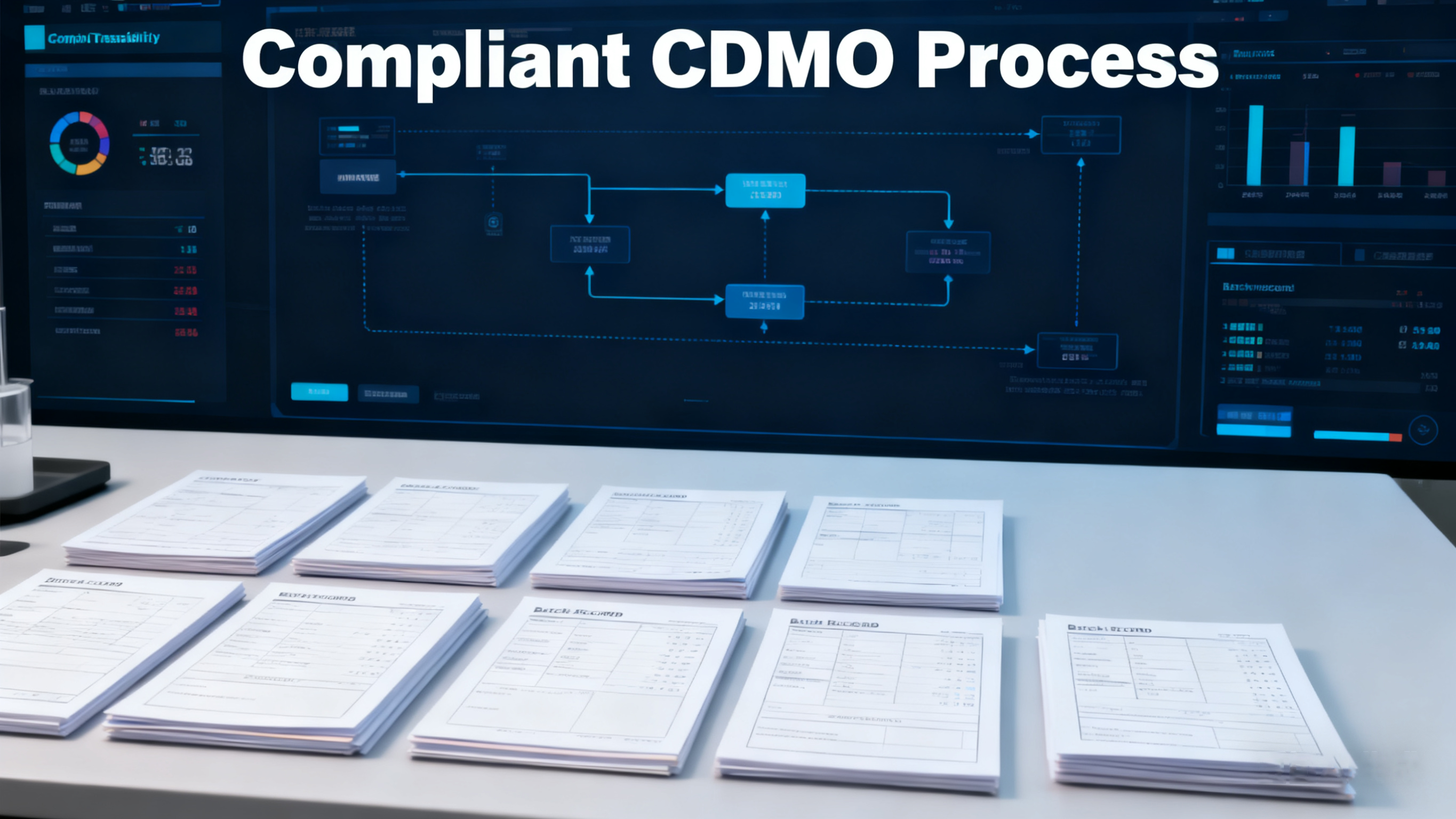
Crop protection chemical CDMO with regulatory approvals distinguishes itself through sophisticated manufacturing infrastructure that seamlessly integrates advanced technology with comprehensive regulatory compliance across multiple global markets. These facilities feature state-of-the-art production equipment including multi-purpose reactors, high-efficiency separation systems, and precision formulation capabilities that ensure consistent product quality while maintaining operational flexibility. The manufacturing infrastructure incorporates automated process control systems that monitor critical parameters in real-time, enabling immediate adjustments to maintain optimal production conditions and product specifications. Environmental control systems maintain precise temperature, humidity, and air quality standards throughout production areas, ensuring product stability and worker safety. Advanced waste treatment facilities process chemical byproducts using cutting-edge neutralization and recovery technologies, minimizing environmental impact while maximizing resource efficiency. The regulatory compliance framework encompasses certifications from major agricultural regulatory bodies including the United States Environmental Protection Agency, European Food Safety Authority, and numerous national agricultural ministries. These certifications demonstrate adherence to Good Manufacturing Practices, International Organization for Standardization quality management systems, and specific crop protection chemical manufacturing standards. Comprehensive documentation systems maintain detailed batch records, quality control data, and regulatory submission materials that support product approvals across different markets. Regular regulatory audits and inspections validate ongoing compliance while continuous improvement programs ensure adaptation to evolving regulatory requirements. The infrastructure includes dedicated analytical laboratories equipped with advanced instrumentation for product characterization, impurity analysis, and stability testing. These laboratories maintain accreditation from recognized certification bodies and participate in international proficiency testing programs to ensure analytical reliability. Quality assurance protocols encompass raw material verification, in-process monitoring, and final product testing using validated analytical methods. The combination of advanced manufacturing capabilities and robust regulatory compliance creates a competitive advantage for partners seeking reliable, compliant crop protection chemical production services.
Comprehensive Product Development and Formulation Optimization Services

Comprehensive Product Development and Formulation Optimization Services

Crop protection chemical CDMO with regulatory approvals excels in providing end-to-end product development services that transform innovative concepts into market-ready agricultural solutions. Their comprehensive approach encompasses initial feasibility studies, formulation development, process optimization, and scale-up activities supported by extensive scientific expertise and advanced research facilities. The development process begins with thorough market analysis and regulatory landscape assessment to identify optimal product positioning and approval strategies. Experienced formulation scientists collaborate closely with clients to understand specific performance requirements, application methods, and target crop systems. Advanced formulation laboratories utilize sophisticated mixing equipment, particle size analyzers, and stability testing chambers to develop optimized product formulations that maximize efficacy while ensuring regulatory compliance. Process development teams employ systematic approaches to optimize manufacturing parameters, utilizing statistical design methodologies and continuous improvement principles to enhance production efficiency and product consistency. Pilot-scale production facilities enable comprehensive process validation and scale-up studies that minimize risks during commercial production transitions. These facilities replicate commercial manufacturing conditions while providing flexibility for process modifications and optimization studies. Quality by design principles guide development activities, ensuring robust manufacturing processes that consistently produce high-quality products meeting stringent specifications. Analytical method development and validation services create reliable testing protocols for product characterization, quality control, and regulatory submission requirements. Stability testing programs evaluate product performance under various storage conditions, providing critical data for shelf-life determination and packaging recommendations. Regulatory support services assist with dossier preparation, toxicology studies coordination, and submission strategies tailored to specific markets and approval timelines. Environmental fate studies and ecological risk assessments support regulatory submissions while demonstrating product safety and environmental compatibility. Technical documentation services create comprehensive manufacturing procedures, quality control protocols, and product specifications that facilitate technology transfer and commercial production. The integrated approach ensures seamless progression from laboratory development to commercial manufacturing while maintaining product quality and regulatory compliance throughout the development lifecycle.
Strategic Partnership Benefits and Risk Mitigation Solutions

Strategic Partnership Benefits and Risk Mitigation Solutions

Crop protection chemical CDMO with regulatory approvals provides strategic partnership advantages that extend far beyond traditional manufacturing services, offering comprehensive risk mitigation solutions and business continuity assurance for agricultural companies. These partnerships enable organizations to focus on core competencies such as research, marketing, and distribution while leveraging specialized manufacturing expertise and regulatory knowledge. Strategic benefits include access to established global supply chains, reducing procurement risks and ensuring reliable raw material availability even during market disruptions. Long-term partnership agreements provide production capacity security and price stability, enabling better financial planning and market positioning. The partnership model facilitates rapid market expansion by providing immediate access to manufacturing capabilities in key geographic regions, eliminating lengthy facility development timelines and regulatory approval processes. Risk mitigation encompasses comprehensive insurance coverage for manufacturing operations, product liability protection, and business interruption coverage that safeguards against unforeseen disruptions. Established quality management systems and proven manufacturing track records minimize product quality risks while maintaining consistent supply reliability. Regulatory risk mitigation involves continuous monitoring of changing regulations, proactive compliance updates, and expert guidance on regulatory strategy development. Supply chain diversification through crop protection chemical CDMO with regulatory approvals reduces dependency on single sources while providing backup production capabilities and alternative sourcing options. Advanced inventory management systems optimize stock levels while minimizing carrying costs and obsolescence risks. Confidentiality protection measures include robust intellectual property safeguards, secure data management systems, and comprehensive non-disclosure agreements that protect proprietary information and trade secrets. Technical risk mitigation involves continuous process monitoring, preventive maintenance programs, and rapid response capabilities for addressing manufacturing issues. Emergency response protocols ensure business continuity during unexpected events while maintaining product availability and customer satisfaction. Financial risk reduction includes flexible pricing structures, shared investment models, and performance-based agreements that align costs with business outcomes. The strategic partnership approach creates mutual benefits through shared expertise, collaborative innovation opportunities, and joint market development initiatives that strengthen competitive positioning in the global agricultural market.

Get a Free Quote

Our representative will contact you soon.
Email
Name
Company Name
Message
0/1000