Premium Pesticide Intermediates Compliant CDMO Services - Expert Manufacturing Solutions

All Categories

Get a Free Quote

Our representative will contact you soon.
Email
Name
Company Name
Message
0/1000

pesticide intermediates compliant cdmo services

Pesticide intermediates compliant CDMO services represent a specialized segment of contract development and manufacturing operations that focus on producing chemical compounds essential for agricultural protection products. These services encompass the complete lifecycle of pesticide intermediate development, from initial synthesis to large-scale commercial production, while maintaining strict adherence to regulatory standards and environmental protocols. The primary function of pesticide intermediates compliant CDMO services involves creating complex organic molecules that serve as building blocks for active pharmaceutical ingredients in crop protection solutions. These intermediate compounds undergo rigorous quality control measures to ensure they meet international safety standards and regulatory requirements across different markets. The technological features of these services include advanced synthetic chemistry capabilities, process optimization expertise, and specialized equipment designed for handling potentially hazardous materials safely. Modern facilities employ cutting-edge analytical instruments, automated systems, and containment technologies to maintain product purity and worker safety throughout the manufacturing process. Applications of pesticide intermediates compliant CDMO services span across various agricultural sectors, including herbicide production, insecticide manufacturing, and fungicide development. These services support both established agrochemical companies and emerging biotechnology firms seeking to bring innovative crop protection solutions to market. The compliance aspect ensures that all manufacturing processes align with Good Manufacturing Practices, environmental regulations, and international trade requirements. Service providers typically offer comprehensive documentation, regulatory support, and supply chain management to facilitate smooth product commercialization. The global demand for sustainable agriculture drives continuous innovation in pesticide intermediates compliant CDMO services, leading to development of more environmentally friendly synthesis routes and improved manufacturing efficiencies that reduce waste generation and energy consumption while maintaining high product quality standards.

New Products

Companies choosing pesticide intermediates compliant CDMO services gain immediate access to specialized expertise without investing heavily in internal infrastructure development. This approach allows businesses to focus their resources on core competencies like research and marketing while leveraging established manufacturing capabilities. The cost benefits become apparent through reduced capital expenditure requirements, as organizations avoid purchasing expensive equipment and building dedicated facilities. Additionally, operational expenses remain predictable through established service agreements, eliminating unexpected maintenance costs and regulatory compliance investments. Risk mitigation represents another significant advantage, as experienced service providers maintain comprehensive insurance coverage and established safety protocols. These organizations possess deep knowledge of regulatory landscapes across multiple jurisdictions, reducing the likelihood of compliance issues that could delay product launches or result in costly penalties. The flexibility offered by pesticide intermediates compliant CDMO services enables companies to scale production volumes according to market demand without long-term commitments to fixed manufacturing capacity. This scalability proves particularly valuable for seasonal products or during market entry phases when demand patterns remain uncertain. Speed to market acceleration occurs through established manufacturing processes and regulatory pathways, allowing companies to capitalize on market opportunities more quickly than competitors relying on internal development timelines. Quality assurance benefits emerge from working with specialized facilities that maintain certifications and implement robust quality management systems specifically designed for pesticide intermediate production. These providers invest continuously in technology upgrades and staff training to maintain competitive advantages and regulatory compliance. Supply chain optimization results from established vendor relationships and logistics networks that specialized service providers maintain, reducing procurement costs and delivery timeframes. The global reach of many pesticide intermediates compliant CDMO services facilitates international expansion strategies by providing manufacturing capabilities in strategic geographic locations. Environmental sustainability improvements often result from partnering with providers who invest in green chemistry initiatives and waste reduction technologies that individual companies might find financially prohibitive to implement independently. Finally, intellectual property protection mechanisms built into service agreements provide security for proprietary formulations while enabling access to manufacturing expertise.

Latest News

How Do Veterinary API Drive Growth in Animal Health Pharmaceuticals?

28

Oct

How Do Veterinary API Drive Growth in Animal Health Pharmaceuticals?

The Evolution of APIs in Modern Veterinary Medicine The veterinary pharmaceutical industry has witnessed a remarkable transformation over the past decade, with veterinary API (Active Pharmaceutical Ingredients) emerging as the cornerstone of innovati...
View More
Why Are Antiparasitics Drugs Vital for Sustainable Agriculture?

28

Oct

Why Are Antiparasitics Drugs Vital for Sustainable Agriculture?

The Essential Role of Antiparasitic Medications in Modern Farming The agricultural sector faces unprecedented challenges in maintaining livestock health while pursuing sustainable practices. Antiparasitic drugs have emerged as a cornerstone of modern...
View More
What Are the Risks of Improper Digestive Drug Use?

31

Oct

What Are the Risks of Improper Digestive Drug Use?

Understanding the Hidden Dangers of Digestive Medication Misuse The growing prevalence of digestive disorders has led to an increased reliance on over-the-counter and prescription medications. While these drugs provide essential relief for millions, ...
View More
How Are Digestive Drugs Adapting to Changing Dietary Habits?

31

Oct

How Are Digestive Drugs Adapting to Changing Dietary Habits?

The Evolution of Modern Digestive Medicine The landscape of digestive health is undergoing a remarkable transformation as our eating habits continue to evolve in the 21st century. Digestive drugs are rapidly adapting to meet the challenges posed by c...
View More

Get a Free Quote

Our representative will contact you soon.
Email
Name
Company Name
Message
0/1000

pesticide intermediates compliant cdmo services

Advanced Regulatory Compliance and Quality Management Systems

Advanced Regulatory Compliance and Quality Management Systems

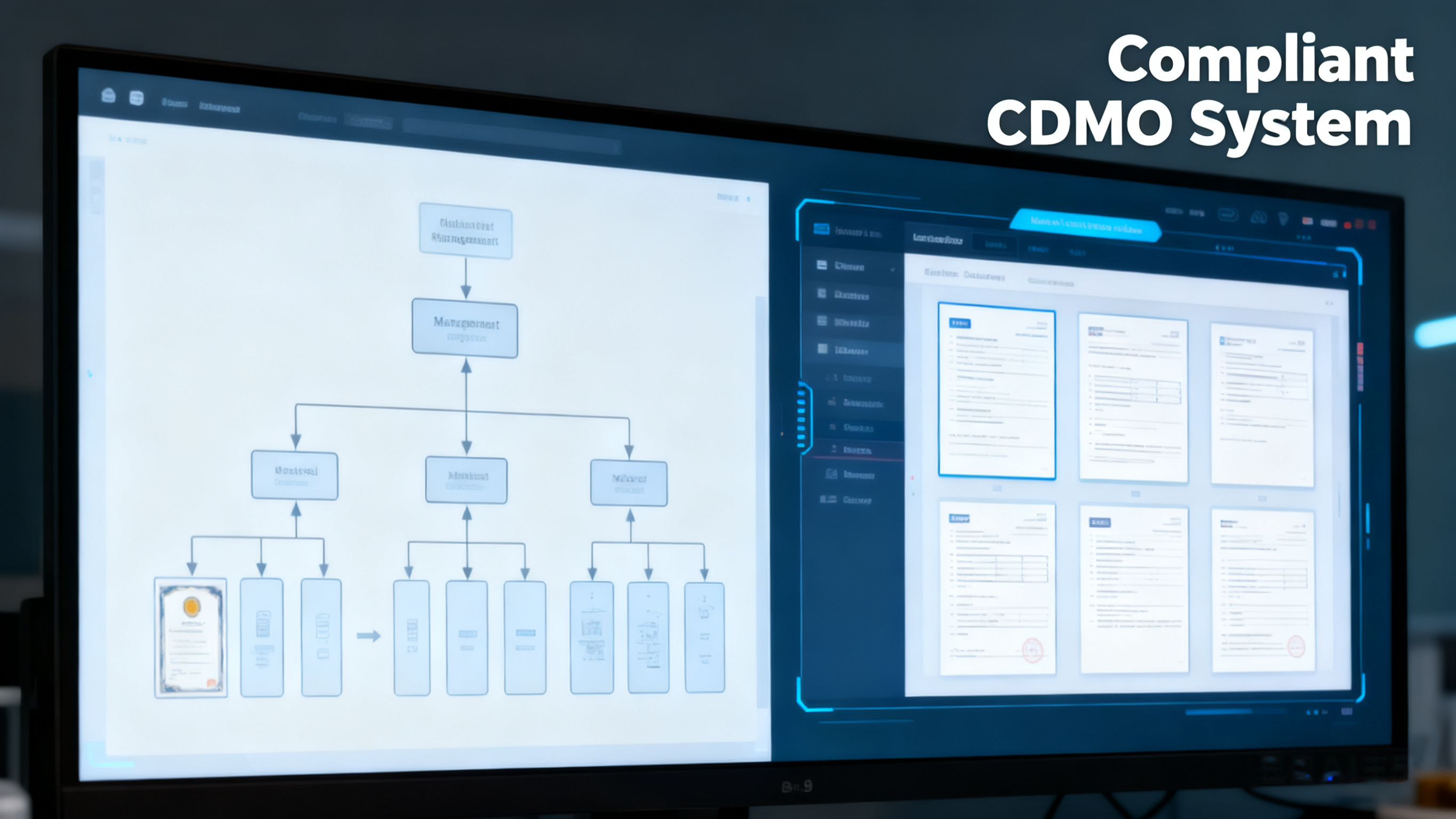
The cornerstone of effective pesticide intermediates compliant CDMO services lies in their sophisticated regulatory compliance frameworks and quality management systems that ensure product safety and market acceptance. These comprehensive systems encompass multiple layers of oversight, including Good Manufacturing Practices implementation, ISO certification maintenance, and adherence to country-specific agricultural chemical regulations. Service providers invest substantially in regulatory expertise, employing specialists who monitor evolving requirements across major markets including the United States, European Union, and Asia-Pacific regions. This regulatory intelligence enables proactive compliance adjustments that prevent costly delays or product recalls. The quality management systems integrate advanced analytical testing capabilities, including high-performance liquid chromatography, mass spectrometry, and nuclear magnetic resonance spectroscopy to verify compound purity and identify potential impurities. Documentation systems maintain complete batch records, chain of custody tracking, and analytical certificates that satisfy regulatory audits and customer requirements. Environmental monitoring programs ensure that manufacturing processes meet sustainability standards while minimizing ecological impact through waste reduction initiatives and energy efficiency improvements. Risk assessment protocols evaluate potential safety hazards throughout the manufacturing process, implementing appropriate containment measures and emergency response procedures. Traceability systems track raw materials from supplier qualification through final product delivery, enabling rapid identification and resolution of any quality issues. Continuous improvement programs incorporate customer feedback, regulatory updates, and technological advances to enhance service delivery and maintain competitive positioning. Training programs ensure that personnel remain current with industry best practices and regulatory requirements, reducing human error risks and maintaining consistent performance standards. These comprehensive compliance and quality frameworks provide customers with confidence that their pesticide intermediates meet all necessary standards for successful market introduction and long-term commercial viability.
Cutting-Edge Synthetic Chemistry and Process Development Capabilities

Cutting-Edge Synthetic Chemistry and Process Development Capabilities

Modern pesticide intermediates compliant CDMO services leverage state-of-the-art synthetic chemistry capabilities and process development expertise to deliver complex molecular structures efficiently and cost-effectively. These advanced capabilities encompass multi-step organic synthesis, chiral chemistry, and specialized reaction conditions that enable production of sophisticated intermediate compounds required for next-generation agricultural protection products. Process development teams utilize computational chemistry tools, reaction modeling software, and design of experiments methodologies to optimize synthetic routes and minimize production costs while maximizing yields and purity levels. Specialized equipment includes high-pressure reactors, cryogenic systems, and inert atmosphere capabilities that enable challenging chemical transformations under controlled conditions. Pilot plant facilities provide seamless scale-up capabilities, allowing thorough process validation before transitioning to commercial manufacturing volumes. Green chemistry initiatives focus on developing environmentally sustainable synthesis routes that reduce solvent consumption, minimize waste generation, and eliminate hazardous reagents wherever possible. Continuous flow chemistry technologies enable more efficient heat and mass transfer, improved safety profiles, and enhanced reaction control compared to traditional batch processes. Analytical method development ensures that appropriate testing protocols exist for monitoring reaction progress, identifying impurities, and confirming final product specifications. Process safety evaluations assess thermal stability, reaction kinetics, and potential hazards to establish safe operating parameters and emergency procedures. Technology transfer protocols facilitate smooth transitions from development laboratories to production facilities while maintaining process integrity and regulatory compliance. Collaborative development approaches enable customers to contribute proprietary knowledge while benefiting from service provider expertise in manufacturing optimization. These advanced synthetic capabilities position pesticide intermediates compliant CDMO services as valuable partners for companies seeking to commercialize innovative agricultural chemical products while minimizing development timelines and technical risks associated with complex molecule manufacturing.
Flexible Manufacturing Solutions and Global Supply Chain Integration

Flexible Manufacturing Solutions and Global Supply Chain Integration

The dynamic nature of agricultural markets demands flexible manufacturing solutions that can adapt to seasonal demand fluctuations, regulatory changes, and evolving customer requirements, which pesticide intermediates compliant CDMO services provide through comprehensive supply chain integration and scalable production capabilities. These flexible solutions encompass multiple manufacturing sites across different geographic regions, enabling customers to optimize logistics costs, reduce supply chain risks, and meet local content requirements in various markets. Capacity management systems allow for efficient allocation of manufacturing resources based on demand forecasts, seasonal patterns, and customer priorities while maintaining optimal utilization rates. Multi-product facilities enable efficient production of diverse intermediate compounds using shared infrastructure and equipment, reducing per-unit costs and improving capital efficiency. Just-in-time manufacturing capabilities minimize inventory carrying costs while ensuring product availability when needed, supported by sophisticated demand planning and production scheduling systems. Supply chain partnerships with raw material suppliers, logistics providers, and packaging companies create integrated networks that optimize cost, quality, and delivery performance across the entire value chain. Risk mitigation strategies include multiple sourcing options, inventory buffers at strategic locations, and contingency manufacturing agreements that ensure continuity of supply even during disruptions. Regulatory flexibility enables manufacturing in different jurisdictions to meet specific market requirements or take advantage of favorable trade agreements and regulatory frameworks. Technology platforms provide real-time visibility into production status, inventory levels, and shipment tracking, enabling proactive management of customer requirements and exception handling. Sustainability initiatives throughout the supply chain focus on reducing carbon footprints, optimizing transportation routes, and implementing circular economy principles that minimize waste and resource consumption. These flexible manufacturing solutions and integrated supply chain capabilities enable customers to respond quickly to market opportunities, manage seasonal demand variations, and build resilient business models that can withstand disruptions while maintaining cost competitiveness and service quality standards expected in the agricultural chemical industry.
Get a Free Quote

Our representative will contact you soon.
Email
Name
Company Name
Message
0/1000