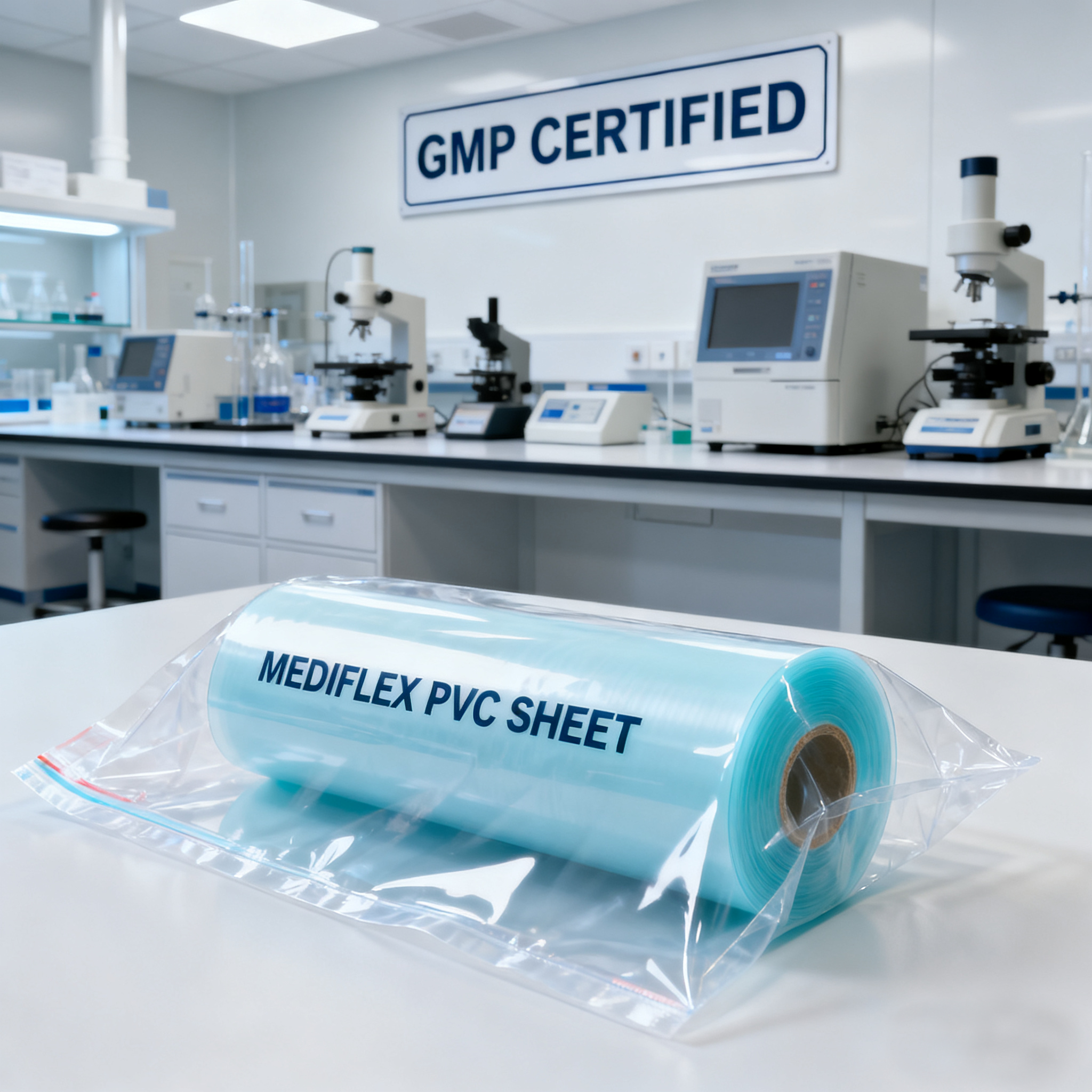
pvc blister film
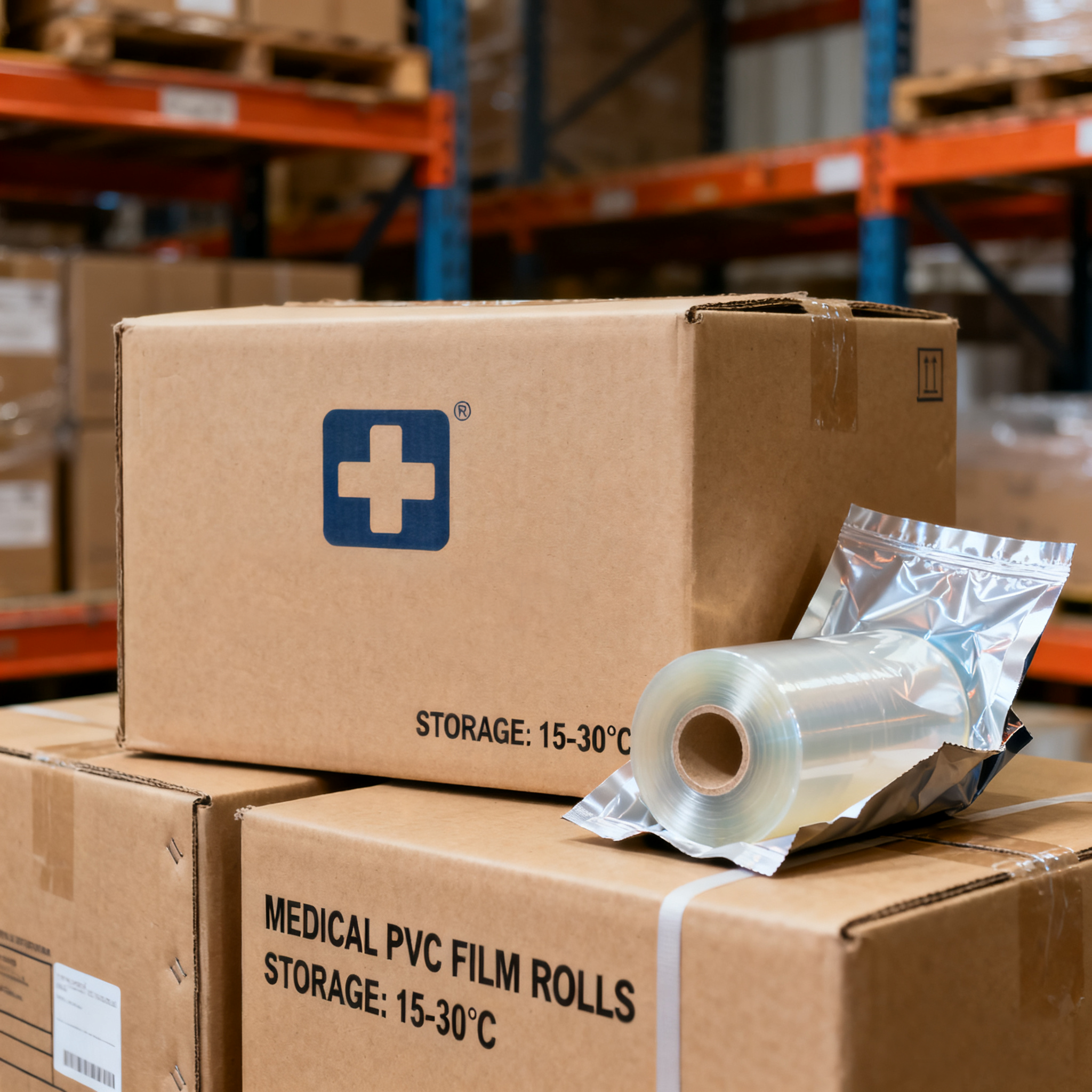
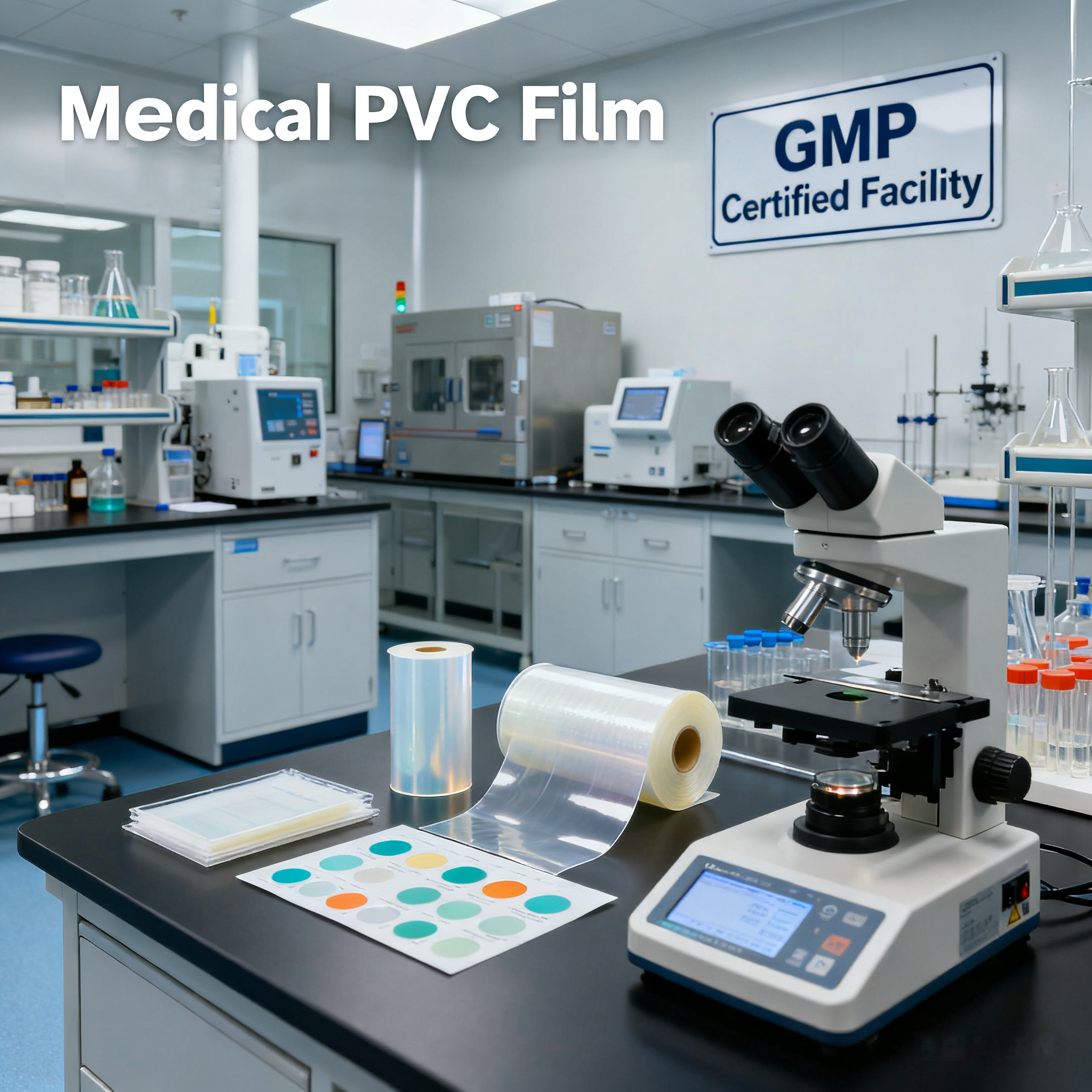
PVC blister film represents a revolutionary packaging solution that combines durability, clarity, and versatility to meet diverse industrial and consumer needs. This specialized thermoplastic material undergoes precision manufacturing processes to create films that excel in protective packaging applications across multiple sectors. The film's composition utilizes polyvinyl chloride polymers that provide exceptional barrier properties while maintaining optical clarity and structural integrity under various environmental conditions. Modern PVC blister film production incorporates advanced extrusion techniques that ensure uniform thickness distribution, consistent quality standards, and enhanced performance characteristics. The material exhibits remarkable thermoformability, allowing manufacturers to create complex shapes and configurations that conform perfectly to product geometries. This adaptability makes PVC blister film an ideal choice for pharmaceutical packaging, electronics protection, consumer goods display, and industrial component storage. The film's chemical resistance properties protect contents from moisture, oxygen, and other environmental factors that could compromise product quality or shelf life. Manufacturing processes for PVC blister film involve careful temperature control, polymer selection, and additive incorporation to achieve desired mechanical properties. These technological features include controlled thickness variations, enhanced puncture resistance, and optimized heat-sealing characteristics that facilitate efficient packaging operations. The film's transparency enables clear product visibility while maintaining protective barriers against contamination and physical damage. Quality control measures during production ensure consistent performance metrics including tensile strength, elongation properties, and thermal stability. PVC blister film applications extend beyond traditional packaging to include medical device protection, automotive component storage, and specialty industrial uses where reliable barrier protection is essential. The material's compatibility with various sealing methods and printing processes provides manufacturers with flexible options for customization and branding requirements.