Advanced Silane Coupler Technology: Superior Bonding Solutions for Multi-Material Applications

All Categories

Get a Free Quote

Our representative will contact you soon.
Email
Name
Company Name
Message
0/1000

silane coupler

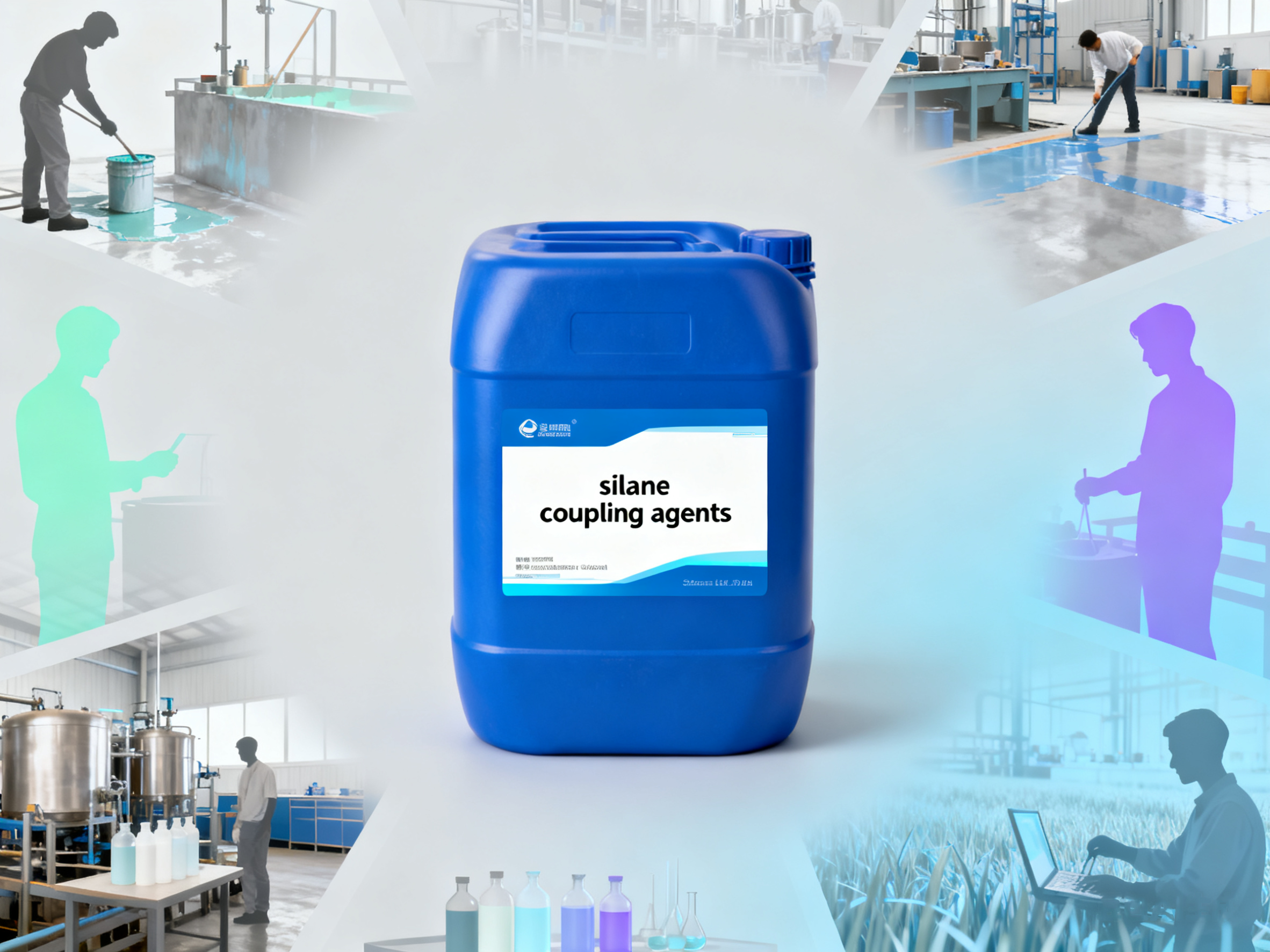
A silane coupler serves as a revolutionary chemical bridge that transforms material compatibility in manufacturing and industrial applications. This specialized organosilicon compound contains both organic and inorganic functional groups within its molecular structure, enabling it to create strong chemical bonds between dissimilar materials. The silane coupler functions by forming covalent bonds with inorganic substrates such as glass, metal oxides, and minerals while simultaneously bonding with organic polymers, resins, and elastomers. This dual functionality makes it an essential component in composite manufacturing, adhesive formulations, and surface modification processes. The technological foundation of silane coupler chemistry relies on hydrolysis and condensation reactions that occur when the compound contacts moisture or hydroxylated surfaces. During this process, the silane coupler undergoes molecular transformation, creating siloxane linkages that provide exceptional durability and chemical resistance. Modern silane coupler formulations incorporate various functional groups including amino, epoxy, methacryl, vinyl, and mercapto groups, each designed for specific application requirements. These functional variations allow manufacturers to select the most appropriate silane coupler for their particular bonding challenges. The versatility of silane coupler technology extends across numerous industries, from automotive and aerospace to construction and electronics. In composite manufacturing, silane coupler enhances fiber-matrix adhesion in fiberglass and carbon fiber applications, resulting in stronger, more durable composite structures. The construction industry utilizes silane coupler in concrete sealers and waterproofing systems, where it penetrates porous surfaces to create protective barriers against moisture and chemical attack. Electronic applications benefit from silane coupler use in semiconductor packaging and printed circuit board manufacturing, where reliable adhesion between different materials ensures product longevity and performance stability.

New Products

The primary advantage of silane coupler technology lies in its ability to create permanent chemical bonds that significantly outperform traditional mechanical or physical bonding methods. Unlike simple adhesives that rely on surface contact, silane coupler forms molecular-level connections that resist delamination, moisture infiltration, and thermal cycling. This chemical bonding mechanism ensures long-term durability even under harsh environmental conditions including extreme temperatures, humidity, and chemical exposure. Manufacturing processes benefit tremendously from silane coupler integration because it eliminates the need for complex surface preparation procedures that traditional bonding agents require. The silane coupler penetrates directly into substrate surfaces, creating bonds even on challenging materials like aged concrete, weathered metals, and contaminated surfaces. This capability reduces preparation time and labor costs while improving overall production efficiency. Quality control becomes more predictable when using silane coupler because its chemical bonding mechanism provides consistent results regardless of minor surface variations or environmental fluctuations during application. The versatility of silane coupler formulations allows manufacturers to address multiple bonding challenges with a single product family, simplifying inventory management and reducing procurement complexity. Cost savings emerge from improved product longevity, as silane coupler treated materials exhibit extended service life and reduced maintenance requirements. The enhanced adhesion properties of silane coupler enable thinner bond lines and reduced material consumption while maintaining superior performance characteristics. Environmental benefits result from silane coupler use because improved durability reduces replacement frequency and waste generation. Processing advantages include room temperature curing capabilities, eliminating energy-intensive heating requirements common with other bonding systems. The silane coupler also provides excellent compatibility with existing manufacturing equipment and processes, requiring minimal modifications to current production lines. Safety considerations favor silane coupler adoption because many formulations eliminate hazardous solvents and volatile organic compounds found in conventional bonding agents. Quality assurance improves significantly because silane coupler bonds can be tested and validated using standard analytical methods, providing manufacturers with confidence in their product performance and reliability.

Tips And Tricks

Why Should Firms Partner With Reliable Veterinary API Suppliers?

28

Oct

Why Should Firms Partner With Reliable Veterinary API Suppliers?

The Strategic Value of Quality Veterinary API Partnerships The pharmaceutical landscape for animal health products continues to evolve rapidly, making the selection of veterinary API suppliers a critical decision for pharmaceutical companies. In toda...
View More
How Is Levamisole Hydrochloride Used Across Emerging Market Applications?

27

Nov

How Is Levamisole Hydrochloride Used Across Emerging Market Applications?

The pharmaceutical landscape continues to evolve with compounds like levamisole hydrochloride finding diverse applications across emerging markets. This versatile compound has gained significant attention in recent years due to its unique properties ...
View More
How Do Quality Standards Impact Levamisole Hydrochloride Procurement?

27

Nov

How Do Quality Standards Impact Levamisole Hydrochloride Procurement?

Quality standards play a pivotal role in pharmaceutical procurement, particularly when sourcing critical compounds like levamisole hydrochloride. This veterinary pharmaceutical ingredient demands rigorous adherence to established quality protocols to...
View More
Why Is Supply Chain Stability Critical for Levamisole Hydrochloride Buyers?

27

Nov

Why Is Supply Chain Stability Critical for Levamisole Hydrochloride Buyers?

In today's interconnected pharmaceutical landscape, supply chain stability has emerged as a fundamental concern for buyers of specialized compounds like Levamisole Hydrochloride. This anthelmintic agent, widely used in both veterinary and human medic...
View More

Get a Free Quote

Our representative will contact you soon.
Email
Name
Company Name
Message
0/1000

silane coupler

Superior Molecular-Level Adhesion Technology

Superior Molecular-Level Adhesion Technology

The revolutionary molecular-level adhesion technology of silane coupler represents a paradigm shift in materials bonding science. Unlike conventional adhesives that create superficial mechanical bonds, silane coupler establishes genuine chemical connections at the molecular level between previously incompatible materials. This advanced bonding mechanism begins when silane coupler molecules contact hydroxylated surfaces, triggering a sophisticated hydrolysis reaction that transforms the coupler into highly reactive silanol groups. These silanol intermediates then undergo condensation reactions with surface hydroxyl groups, forming stable siloxane bonds that become integral parts of both substrate structures. The resulting chemical network exhibits extraordinary resistance to environmental degradation, thermal stress, and mechanical forces that typically cause bond failure in traditional systems. This molecular integration means that silane coupler bonds actually strengthen over time as additional crosslinking occurs, creating increasingly robust interfacial regions that enhance overall material performance. The technology proves particularly valuable in demanding applications where bond integrity directly impacts safety and reliability, such as aerospace components, medical devices, and critical infrastructure elements. Engineering teams rely on silane coupler molecular adhesion to achieve performance specifications that exceed what mechanical fastening or conventional bonding can deliver. The precision of molecular-level bonding eliminates weak points and stress concentrations that plague traditional joining methods, resulting in more uniform load distribution and improved fatigue resistance. Manufacturing quality benefits enormously because molecular bonding provides predictable, repeatable results that withstand rigorous testing and certification requirements. The durability advantages extend product lifecycles significantly, reducing replacement costs and maintenance intervals while improving customer satisfaction and brand reputation. This molecular-level technology positions silane coupler as an essential solution for next-generation manufacturing challenges requiring unprecedented bonding performance and reliability.
Exceptional Multi-Material Compatibility

Exceptional Multi-Material Compatibility

The exceptional multi-material compatibility of silane coupler technology eliminates traditional barriers that have long challenged engineers and manufacturers seeking to combine different material types in single applications. This remarkable versatility stems from the unique dual-functional molecular structure that allows silane coupler to simultaneously bond with both organic polymers and inorganic substrates through distinctly different chemical mechanisms. The inorganic functionality creates strong covalent bonds with glass, ceramics, metals, and mineral surfaces, while the organic component forms compatible interfaces with plastics, rubbers, resins, and composite matrices. This dual capability enables manufacturers to create hybrid structures that leverage the best properties of each material type without compromising interfacial integrity. Complex assemblies requiring metal-to-plastic joints, glass-to-rubber seals, or ceramic-to-polymer connections achieve unprecedented performance levels when silane coupler technology mediates these challenging interfaces. The compatibility extends beyond simple material pairing to encompass varying surface conditions, including smooth finishes, textured surfaces, aged materials, and even slightly contaminated substrates that would defeat conventional bonding approaches. Manufacturing flexibility increases dramatically because silane coupler compatibility reduces the need for material substitutions or design compromises that often arise when bonding limitations constrain material selection. Quality assurance improves because the broad compatibility eliminates uncertainties about bond performance across different material combinations, allowing engineers to focus on optimizing design parameters rather than addressing bonding limitations. Production efficiency gains result from simplified assembly processes that no longer require multiple bonding systems for different material interfaces within the same product. The economic advantages multiply across diverse industries as manufacturers standardize on silane coupler technology to address various bonding challenges with proven, reliable results. Innovation opportunities expand significantly because designers can explore previously impossible material combinations, leading to breakthrough products with enhanced performance characteristics and competitive advantages in demanding market segments.
Environmental Durability and Long-Term Performance

Environmental Durability and Long-Term Performance

The environmental durability and long-term performance characteristics of silane coupler technology deliver unmatched reliability in challenging service conditions where conventional bonding systems typically fail or degrade rapidly. This exceptional durability originates from the fundamental chemistry of siloxane bonds formed during the silane coupler curing process, which exhibit inherent resistance to hydrolysis, oxidation, thermal cycling, and chemical attack. Unlike organic adhesives that deteriorate through polymer chain scission or plasticizer migration, silane coupler bonds maintain their structural integrity through decades of exposure to harsh environmental conditions including UV radiation, temperature extremes, moisture infiltration, and chemical contamination. Field performance data consistently demonstrates that silane coupler treated systems outperform alternative bonding methods by significant margins, often lasting two to three times longer than conventional approaches under identical service conditions. This longevity advantage translates directly into reduced lifecycle costs, lower maintenance requirements, and improved operational reliability for critical applications. The temperature stability of silane coupler bonds extends from cryogenic conditions to elevated temperatures exceeding 200 degrees Celsius, making the technology suitable for applications ranging from arctic installations to high-temperature industrial processes. Chemical resistance encompasses exposure to acids, bases, solvents, and aggressive industrial chemicals that rapidly degrade organic bonding systems, enabling silane coupler use in chemical processing, marine environments, and other corrosive service conditions. UV stability prevents the photodegradation that causes yellowing, chalking, and bond weakening in polymer-based adhesives, ensuring consistent appearance and performance in outdoor applications. Moisture resistance eliminates the swelling, softening, and adhesion loss that plague hygroscopic bonding materials, providing reliable performance in humid environments and underwater applications. The predictable aging characteristics of silane coupler systems enable accurate lifecycle planning and maintenance scheduling, reducing unexpected failures and associated downtime costs. This environmental durability positions silane coupler as the preferred solution for infrastructure projects, industrial equipment, and consumer products requiring extended service life and minimal maintenance intervention.

Get a Free Quote

Our representative will contact you soon.
Email
Name
Company Name
Message
0/1000