Premium Silicone Oil for Specialty Organic Synthesis - Superior Chemical Processing Solutions

All Categories

Get a Free Quote

Our representative will contact you soon.
Email
Name
Company Name
Message
0/1000

silicone oil in specialty organic synthesis

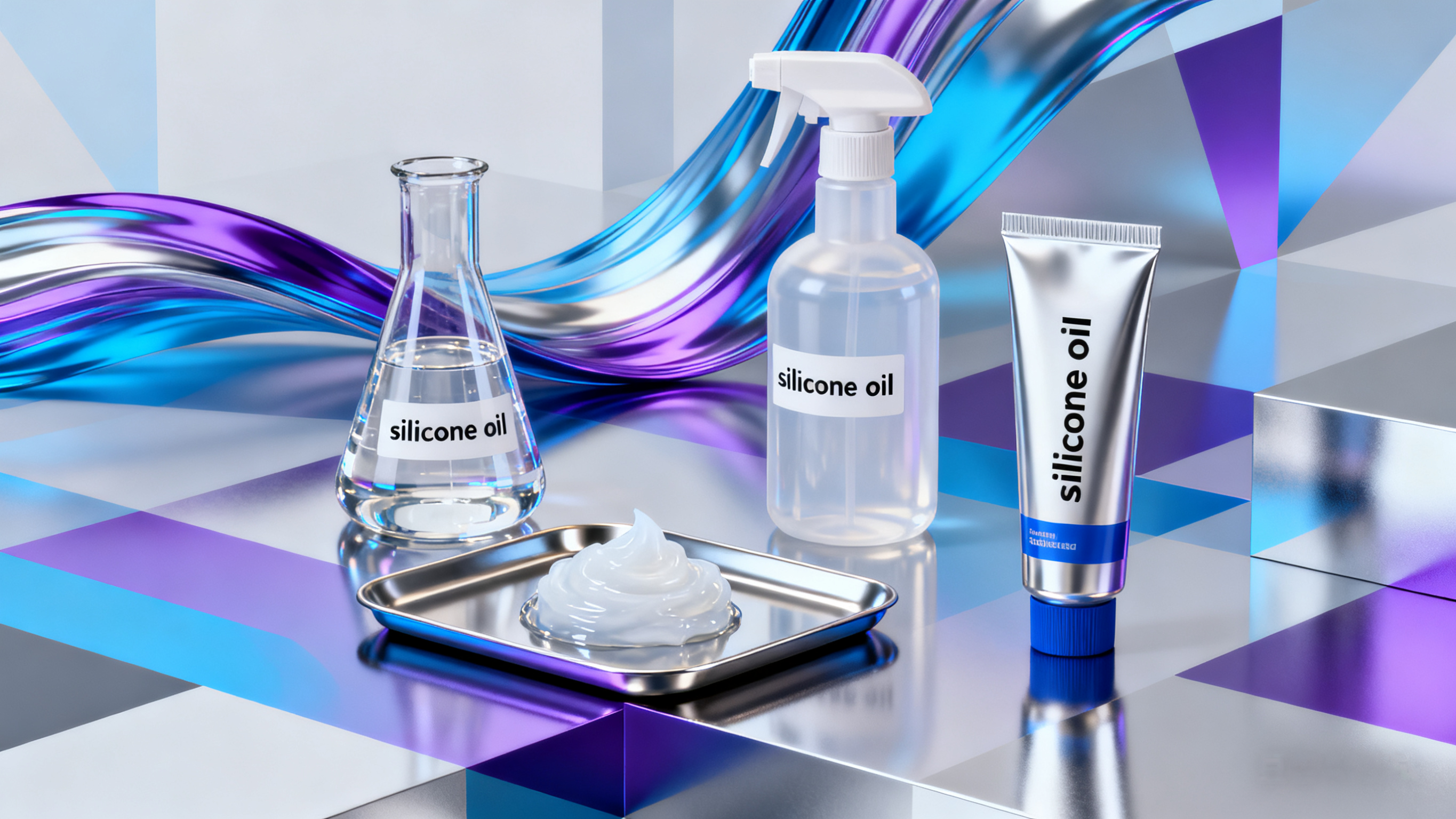
Silicone oil in specialty organic synthesis represents a revolutionary advancement in chemical processing technology, offering unparalleled performance characteristics that transform complex reaction environments. This specialized medium serves multiple critical functions including heat transfer, reaction control, and product isolation in demanding synthetic procedures. The technological foundation of silicone oil in specialty organic synthesis rests on its unique molecular structure, featuring silicon-oxygen backbone chains that provide exceptional thermal stability and chemical inertness. These properties enable sustained performance across extreme temperature ranges, typically from -50°C to 300°C, making it indispensable for high-temperature organic transformations. The main functions encompass thermal regulation, where silicone oil in specialty organic synthesis maintains consistent reaction temperatures through superior heat distribution, preventing hotspots that could compromise product quality. Additionally, it serves as an effective reaction medium for moisture-sensitive syntheses, creating an anhydrous environment essential for organometallic reactions and other water-sensitive processes. The technological features include excellent dielectric properties, low vapor pressure, and remarkable oxidative resistance, ensuring minimal interference with reaction mechanisms while providing long-term reliability. Applications span pharmaceutical manufacturing, where silicone oil in specialty organic synthesis enables precise control of API production, fine chemical synthesis requiring exact temperature management, and research applications demanding reproducible conditions. The versatility extends to catalyst systems, where it functions as both solvent and stabilizer, enhancing catalyst longevity and reaction selectivity. Modern implementations utilize silicone oil in specialty organic synthesis for continuous flow processes, batch reactions, and specialized extraction procedures, demonstrating its adaptability across diverse synthetic methodologies and industrial scales.

New Product Recommendations

The advantages of silicone oil in specialty organic synthesis deliver transformative benefits that revolutionize chemical manufacturing processes and research methodologies. Superior thermal stability stands as the primary advantage, allowing reactions to proceed at elevated temperatures without degradation or interference from the heating medium. This stability translates directly into improved product yields and reduced production costs, as manufacturers can maintain consistent reaction conditions over extended periods without frequent medium replacement. The chemical inertness of silicone oil in specialty organic synthesis provides another crucial advantage by preventing unwanted side reactions that commonly plague organic synthesis using traditional solvents. This inertness ensures product purity remains high while minimizing purification steps, reducing both time and resource requirements. Enhanced safety profiles represent a significant practical benefit, as silicone oil in specialty organic synthesis exhibits low toxicity and minimal environmental impact compared to conventional organic solvents. This safety advantage reduces workplace hazards, simplifies waste disposal procedures, and supports sustainable manufacturing practices that align with modern environmental regulations. The excellent heat transfer properties enable precise temperature control, which proves essential for reactions requiring specific thermal profiles or gradual heating protocols. This control capability allows chemists to optimize reaction kinetics, improve selectivity, and achieve reproducible results across multiple production runs. Long-term economic advantages emerge from the reusability of silicone oil in specialty organic synthesis, as its stability allows for multiple distillation and purification cycles without significant property degradation. This reusability dramatically reduces operational costs compared to single-use solvents while supporting circular economy principles. The low vapor pressure characteristic minimizes product loss through evaporation, maintaining reaction concentrations and reducing the need for solvent recovery systems. Compatibility with diverse reaction conditions represents another practical advantage, as silicone oil in specialty organic synthesis performs effectively under both acidic and basic conditions, with various catalysts, and in the presence of reactive intermediates. This versatility eliminates the need for multiple specialized media, simplifying inventory management and reducing procurement costs. The moisture resistance properties provide crucial advantages in water-sensitive reactions, creating protective barriers that prevent hydrolysis and other moisture-related degradation pathways that typically compromise product quality and yield.

Tips And Tricks

How Do Veterinary API Drive Growth in Animal Health Pharmaceuticals?

28

Oct

How Do Veterinary API Drive Growth in Animal Health Pharmaceuticals?

The Evolution of APIs in Modern Veterinary Medicine The veterinary pharmaceutical industry has witnessed a remarkable transformation over the past decade, with veterinary API (Active Pharmaceutical Ingredients) emerging as the cornerstone of innovati...
View More
How Can Cardiovascular Drugs Reduce Heart Disease Risk?

31

Oct

How Can Cardiovascular Drugs Reduce Heart Disease Risk?

Understanding the Impact of Modern Heart Medications The battle against heart disease continues to evolve with breakthrough developments in cardiovascular drugs. These powerful medications have transformed the landscape of cardiac care, offering hope...
View More
How Is Levamisole Hydrochloride Used Across Emerging Market Applications?

27

Nov

How Is Levamisole Hydrochloride Used Across Emerging Market Applications?

The pharmaceutical landscape continues to evolve with compounds like levamisole hydrochloride finding diverse applications across emerging markets. This versatile compound has gained significant attention in recent years due to its unique properties ...
View More
Why Is Supply Chain Stability Critical for Levamisole Hydrochloride Buyers?

27

Nov

Why Is Supply Chain Stability Critical for Levamisole Hydrochloride Buyers?

In today's interconnected pharmaceutical landscape, supply chain stability has emerged as a fundamental concern for buyers of specialized compounds like Levamisole Hydrochloride. This anthelmintic agent, widely used in both veterinary and human medic...
View More

Get a Free Quote

Our representative will contact you soon.
Email
Name
Company Name
Message
0/1000

silicone oil in specialty organic synthesis

Exceptional Thermal Management Capabilities

Exceptional Thermal Management Capabilities

The thermal management capabilities of silicone oil in specialty organic synthesis represent a paradigm shift in reaction temperature control, offering unprecedented precision and reliability for complex synthetic processes. This specialized medium provides superior heat distribution characteristics that eliminate temperature gradients within reaction vessels, ensuring uniform heating that prevents localized overheating and associated degradation reactions. The thermal conductivity properties of silicone oil in specialty organic synthesis enable rapid heat transfer from heating elements to reaction mixtures, reducing equilibration times and allowing for precise temperature programming essential in multi-step syntheses. The exceptional temperature range capability, extending from cryogenic applications to high-temperature processes exceeding 250°C, makes silicone oil in specialty organic synthesis uniquely versatile for diverse reaction requirements. This broad operational range eliminates the need for multiple heating media, simplifying equipment requirements and reducing operational complexity. The low thermal expansion coefficient ensures consistent volume measurements throughout temperature cycles, maintaining accurate stoichiometric ratios critical for optimal product formation. Advanced applications leverage the thermal stability of silicone oil in specialty organic synthesis for extended reaction times at elevated temperatures, enabling synthetic pathways previously considered impractical due to thermal limitations of conventional media. The heat capacity characteristics provide excellent thermal buffering, dampening temperature fluctuations that could otherwise disrupt sensitive reaction equilibria or cause unwanted side reactions. This buffering effect proves particularly valuable in exothermic reactions, where silicone oil in specialty organic synthesis absorbs excess heat and prevents thermal runaway conditions. The thermal management advantages extend to process scale-up, where consistent heat transfer properties ensure seamless transition from laboratory to production scales without compromising reaction performance or product quality. Energy efficiency benefits arise from the superior thermal properties, as silicone oil in specialty organic synthesis requires less energy input to maintain target temperatures while providing more stable thermal environments that reduce the frequency of heating adjustments.
Superior Chemical Compatibility and Inertness

Superior Chemical Compatibility and Inertness

The chemical compatibility and inertness of silicone oil in specialty organic synthesis establish it as an ideal reaction medium for the most challenging synthetic applications, where traditional solvents would interfere or cause unwanted side reactions. This exceptional inertness stems from the silicon-oxygen backbone structure that resists attack from nucleophiles, electrophiles, and radical species commonly encountered in organic synthesis. The broad compatibility spectrum of silicone oil in specialty organic synthesis encompasses organometallic reagents, strong acids, bases, and oxidizing agents, making it suitable for reactions that would quickly degrade conventional organic solvents. This chemical robustness translates into improved product purity, as the absence of solvent degradation products eliminates contamination pathways that typically complicate purification procedures. The moisture resistance properties of silicone oil in specialty organic synthesis provide crucial advantages in water-sensitive reactions, creating protective environments that prevent hydrolysis of reactive intermediates and moisture-catalyzed side reactions. This protection proves invaluable in organolithium chemistry, Grignard reactions, and other moisture-sensitive transformations where even trace water can completely inhibit desired reactions. The oxidative stability of silicone oil in specialty organic synthesis enables its use in aerobic conditions without degradation, supporting green chemistry initiatives that eliminate the need for inert atmosphere requirements in many applications. Catalyst compatibility represents another significant advantage, as silicone oil in specialty organic synthesis does not coordinate with metal centers or interfere with catalytic cycles, allowing for optimal catalyst performance and longevity. This compatibility extends to homogeneous and heterogeneous catalysts, enabling diverse synthetic strategies without medium-related constraints. The chemical inertness facilitates product isolation through simple phase separation or distillation, as silicone oil in specialty organic synthesis does not form azeotropes or engage in hydrogen bonding that could complicate separation procedures. Long-term storage stability benefits arise from the chemical inertness, as reaction mixtures can be stored in silicone oil in specialty organic synthesis without degradation, enabling flexible process scheduling and extended reaction monitoring studies.
Sustainable and Cost-Effective Solutions

Sustainable and Cost-Effective Solutions

The sustainability and cost-effectiveness of silicone oil in specialty organic synthesis deliver compelling economic and environmental advantages that transform operational efficiency in chemical manufacturing and research applications. The reusability characteristics represent the cornerstone of its cost-effectiveness, as silicone oil in specialty organic synthesis maintains its properties through multiple distillation and purification cycles, dramatically reducing medium replacement costs compared to traditional organic solvents. This longevity translates into substantial cost savings over time, as a single batch can support dozens of reaction cycles before requiring replacement, making the initial investment highly economical. The environmental benefits of silicone oil in specialty organic synthesis stem from its biodegradability profile and low ecotoxicity, supporting sustainable manufacturing practices that align with modern environmental stewardship requirements. Unlike petroleum-based solvents that pose disposal challenges, silicone oil in specialty organic synthesis can be processed through conventional waste treatment systems without generating hazardous byproducts. The energy efficiency advantages reduce operational costs through lower heating requirements, as the superior thermal properties of silicone oil in specialty organic synthesis enable faster temperature equilibration and better heat retention, minimizing energy consumption throughout reaction processes. Waste reduction benefits emerge from the product recovery advantages, as the chemical inertness of silicone oil in specialty organic synthesis enables quantitative product isolation without material loss to solvent interactions or decomposition reactions. This efficiency reduces raw material consumption and minimizes waste generation, supporting lean manufacturing principles. The safety profile contributes to cost-effectiveness by reducing insurance, training, and safety equipment requirements compared to hazardous organic solvents. The non-flammable nature of silicone oil in specialty organic synthesis eliminates fire risks and associated safety infrastructure costs while simplifying regulatory compliance requirements. Long-term economic benefits include reduced equipment maintenance costs, as the chemical inertness prevents corrosion and degradation of reaction vessels and associated hardware. The consistency and reliability of silicone oil in specialty organic synthesis reduce batch failures and rework costs, improving overall process efficiency and profitability. Quality improvements resulting from the stable reaction environment reduce downstream processing costs and enhance product marketability, creating additional economic value throughout the supply chain.

Get a Free Quote

Our representative will contact you soon.
Email
Name
Company Name
Message
0/1000